
미리보기 AR 미리보기 프린트 판매로 전환 손으로 그린 그림 구매 공유하기
상세 정보 즐겨찾기에 추가 다운로드 유사 작품 X-레이 슬라이드 쇼 통계 정보

두 신사

루베르스의 ‘두 신사’ (1608) 감상하세요! 역동적인 인물, 풍부한 질감, 신화적 상징이 어우러진 바로크 예술의 걸작입니다. 수집가를 위한 매력적인 작품!

피터 폴 루베르스는 바로크 미술의 거장으로 역동적인 구도와 화려한 색채를 사용하여 인류애와 신성함을 표현했습니다. 크로스와 영혼의 침묵 등 대표작은 플랑드르 회화의 정수를 담고 있으며 예술가들의 영감을 불어넣는 작품입니다.

온라인 미리보기보다 훨씬 뛰어난 품질의 고해상도 디지털 이미지를 구매해 보세요.

각 파일은 사내 전문가가 고급 도구와 숙련된 수동 리터칭 기술을 사용하여 세심하게 준비합니다. 우리는 모든 이미지가 탁월한 선명도, 정확한 색상 재현력, 그리고 미세한 디테일까지 완벽하게 갖추도록 보장합니다.

최종 파일은 전문적인 편집 및 인쇄 환경에서 즉시 사용할 수 있도록 최적화되어 72시간 이내에 이메일로 발송됩니다. 이는 세계적인 디자인 스튜디오, 출판사 및 갤러리가 신뢰하는 것과 동일한 품질입니다.

디지털 이미지

개인 소장 및 전시, 인쇄, 창작 프로젝트를 위한 고해상도 파일을 다운로드하세요. ( 프린트 판매로 전환 손으로 그린 그림 구매)

최종 결제 금액

$ 24.90

모든 디지털 이미지 주문에 포함된 혜택

전문적인 디지털 이미지 전송 보장

WahooArt.com를 선택하시면 단순히 이미지를 받는 것을 넘어, 정밀한 보정 과정을 거친 전문적인 디지털 예술 작품을 만나보실 수 있습니다. 모든 작품에는 만족 보장 서비스가 함께 제공되며, 주문 시 다음과 같은 사항들이 자동으로 포함됩니다:

shipping_icon
빠른 이메일 전송

주문 후 72시간 이내에 고해상도 디지털 이미지 파일이 이메일로 발송되며, 즉시 사용하실 수 있습니다.

canvas_icon
AI 기술로 향상된 디지털 파일

귀하의 작품은 고급 AI 도구와 수동 편집 과정을 거쳐 전문적으로 최적화되며, 이를 통해 디테일과 선명도, 색상의 정확도를 극대화합니다.

insurance_icon
평생 무료 재전송 서비스

파일을 실수로 삭제하거나 분실하셨나요? 걱정 마세요. 언제든 무료로 다시 보내드립니다.

tax_icon
추가 수입 비용 없음 - 언제나

관세나 부가세, 배송비 부담 없이 작품을 즉시 감상하세요 - 디지털 다운로드는 언제나 면세 혜택이 적용됩니다.

color_icon
정확한 색상 보장

전문적인 도구와 색상 관리 시스템을 통해 디지털 이미지가 원본의 색상을 최대한 정확하게 구현하도록 보장합니다.

return_icon
100일 안심 보장제

구매하신 디지털 이미지에 만족하지 못하실 경우, 100일 이내에 별도의 조건 없이 수정 또는 100% 환불을 진행해 드립니다.

guarantee_icon
100% 환불 보장

만족스럽지 않으신가요? 디지털 파일을 받으신 후 100일 이내에 어떠한 조건 없이 전액 환불해 드립니다.

discount_icon
대량 주문 할인

이미지 3매 구매 시 10% 할인 - 5매 구매 시 15% 할인 - 10매 이상 구매 시 20% 할인. 크리에이티브 프로젝트, 갤러리, 에이전시에 매우 유용합니다.

작품 정보 요약

  • title: Two Satyrs
  • influences: Classical themes, Caravaggio, Leonardo da Vinci
  • medium: Oil on canvas
  • movement: Baroque
  • subject: Mythological or allegorical scene featuring satyrs
  • dimensions: 76 x 66 cm
  • notable_elements: Mythological figures, dramatic lighting, intricate textures, symbolic elements like grapes and laurel

예술 상식 퀴즈

각 질문의 정답은 하나뿐입니다.

질문 1:
Who is the artist of 'Two Satyrs'?
질문 2:
In what year was 'Two Satyrs' created?
질문 3:
What artistic movement does 'Two Satyrs' belong to?
질문 4:
Which symbolic element in 'Two Satyrs' may represent victory or nature?
질문 5:
What technique is prominently used in 'Two Satyrs' to create depth and contrast?

바ロック 시대의 압도적인 아름다움: 피터 폴 루베르스의 ‘두 신사’ (Two Satyrs)

1608년, 피터 폴 루베르스가 선보인 ‘두 신사’는 단순한 그림을 넘어, 바ロック 미술의 정수를 담아낸 걸작입니다. 이 작품은 고대 그리스 로마 신화 속 두 신, 즉 사티로스(Satyrs)와 펠레우스(Peleus)의 이야기를 그렸습니다. 루베르스는 마치 한 폭의 드라마를 보는 듯한 역동적인 구도와 강렬한 감정 표현을 통해 관람객에게 깊은 인상을 남깁니다. 이 그림은 단순히 아름다운 예술 작품이 아닌, 당시 유럽 사회의 문화적, 정신적 지형을 반영하는 중요한 역사적 자료입니다.

루베르스의 ‘두 신사’는 짙은 색감과 극명한 명암 대비를 통해 생동감을 불어넣습니다. 특히, 빛과 그림자의 조화로운 사용은 인물들의 근육질 몸매와 섬세한 표정을 더욱 강조하며, 마치 살아있는 듯한 느낌을 선사합니다. 또한, 루베르스는 붓터치를 통해 질감의 변화를 극대화하여, 옷감의 부드러움과 피부의 매끈함을 사실적으로 표현했습니다. 이러한 정교한 기법은 루베르스가 바ロック 미술의 최고 작가 중 한 명으로 인정받는 이유를 설명해줍니다.

신화 속 이야기와 상징적인 의미

이 그림의 중심에는 사티로스와 펠레우스가 자리 잡고 있습니다. 사티로스는 신화에서 술, 음악, 춤을 즐기는 야만인으로 묘사되며, 이 작품에서는 자유분방하고 활기찬 에너지를 발산합니다. 반면, 펠레우스는 좀 더 고요하고 담담한 분위기를 풍기며, 그의 표정에는 깊은 사색이 느껴집니다. 두 인물 간의 대비는 이야기 속에 숨겨진 다양한 의미를 드러냅니다.

그림 속에서 발견되는 다양한 상징적인 요소들은 작품의 메시지를 더욱 풍부하게 만듭니다. 포도주병, 잎사귀, 그리고 사티로스의 뿔은 모두 즐거움, 풍요, 그리고 자연과의 조화를 상징합니다. 루베르스는 이러한 상징들을 통해 관람객에게 단순한 신화 이야기를 넘어선 더 깊은 의미를 전달하고자 했습니다.

바ロック 미술의 특징과 예술적 가치

‘두 신사’는 바ロック 미술의 주요 특징인 역동적인 구도, 강렬한 색채, 그리고 극적인 표현을 완벽하게 보여줍니다. 루베르스는 이 작품을 통해 당시 유럽 사회에서 유행하던 종교적 열정과 예술적 감수성을 동시에 충족시켰습니다.

루베르스의 ‘두 신사’는 단순한 그림 이상의 가치를 지닙니다. 이는 바ロック 미술의 정수를 담고 있는 걸작이며, 루베르스의 뛰어난 예술적 재능을 보여주는 대표적인 작품입니다. 또한, 이 그림은 고대 그리스 로마 신화에 대한 이해를 높이고, 바ロック 미술의 역사적 중요성을 강조하는 데 기여합니다.

시간이 지나도 변치 않는 아름다움

‘두 신사’는 오늘날에도 여전히 많은 사람들에게 감동을 선사하고 있습니다. 이 그림은 단순한 예술 작품을 넘어, 인간의 본성과 삶의 의미에 대한 질문을 던지는 듯합니다. 루베르스의 ‘두 신사’는 여러분의 공간에 깊이와 품격을 더할 뿐만 아니라, 영원히 기억될 아름다움을 선사할 것입니다.

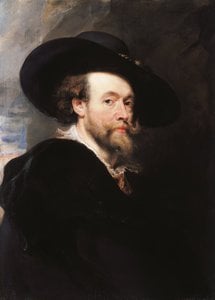
작가 소개

Sir Peter Paul Rubens: A Baroque Master!

Peter Paul Rubens, a name synonymous with the exuberant grandeur of Baroque art—a movement that sought to overwhelm the senses and inspire awe—stood apart from his contemporaries as both an artist and a diplomat. Born in Siegen, Germany, on June 28th, 1577, his early life was marked by upheaval; his father’s fervent Calvinist beliefs compelled him to flee Antwerp under Spanish rule, shaping Rubens's worldview with an indelible imprint of resilience and adaptability. This formative exile instilled within him a profound appreciation for liberty and independence—qualities that would permeate his artistic endeavors throughout his illustrious career. Following his father’s untimely demise in 1587, Rubens’s family returned to Antwerp, where he received a humanist education preparing him for the intellectual currents of his time. It was here that he began his artistic apprenticeship around 1590, honing foundational skills under Tobias Verhaecht and Adam van Noort—artists who championed classical ideals and established Rubens's early training in meticulous observation and technical precision.

The Italian Awakening: Absorbing Renaissance Genius

A pivotal moment arrived in 1600 when Rubens embarked upon a transformative journey to Italy—a pilgrimage that irrevocably altered the trajectory of his artistic vision. For eight years, he immersed himself in the monumental masterpieces crafted by Michelangelo, Raphael, and Titian—giants whose mastery of form, color, and composition captivated him utterly. The influence of these Renaissance titans is palpable throughout Rubens’s early Italian works, characterized by idealized figures bathed in luminous light and imbued with classical grace. Yet, Rubens didn't merely emulate; he synthesized these influences with his innate talent—developing a distinctive Baroque style that transcended mere imitation. He undertook exhaustive anatomical studies, meticulously dissecting cadavers to gain an unparalleled understanding of human musculature—a practice considered radical for its time and reflecting his unwavering commitment to realism. This dedication to scientific observation informed every brushstroke, elevating Rubens’s depictions of the human form to levels of unprecedented beauty and expressive power.

Antwerp: Establishing a Studio and Defining Style

Returning to Antwerp in 1608, Rubens swiftly established himself as the undisputed artistic leader of his era—receiving commissions from wealthy patrons eager to adorn their palaces with canvases that reflected the splendor of the Baroque aesthetic. He married Isabella Brandt shortly thereafter—a union marked by mutual affection and intellectual companionship—and together they raised five children, fostering a home steeped in humanist values and artistic fervor. Rubens expanded his studio dramatically, attracting numerous talented assistants who bolstered his prolific output—producing an astonishing array of altarpieces, portraits, landscapes, and history paintings that cemented his reputation as one of the greatest artists of his generation. His workshop became a crucible for innovation—experimenting with new techniques and pushing the boundaries of artistic convention. Rubens’s signature style—characterized by dynamic compositions, vibrant color palettes, and sensual depictions of the human form—became instantly recognizable throughout Europe.

A Diplomatic Career Alongside Artistic Triumph

Beyond his artistic pursuits, Rubens possessed remarkable diplomatic skills—serving as envoy for Philip IV of Spain and Charles I of England—a dual role that afforded him a unique perspective on European politics and fostered connections with influential figures across the continent. He navigated treacherous political landscapes with grace and shrewdness—negotiating treaties and securing alliances that benefited his patrons and bolstered Antwerp’s position within the Habsburg realm. Rubens's commitment to humanist scholarship extended beyond artistic appreciation; he championed classical literature and philosophy, fostering a vibrant intellectual environment within his household. His erudition informed his artistic vision—inspiring him to explore themes of mythology, religion, and allegory with profound insight and sensitivity.

Legacy: An Enduring Influence on Baroque Art

Rubens’s influence reverberates throughout the Baroque period—inspiring generations of artists who sought to emulate his stylistic brilliance and dramatic flair. His monumental canvases continue to captivate audiences worldwide—testaments to his unparalleled technical skill and artistic vision. Artists like Anthony van Dyck, Jacob Jordaens, and Eugène Delacroix acknowledged Rubens’s profound impact on their own creative endeavors—drawing inspiration from his dynamic compositions, luminous color palettes, and sensual depictions of the human form. Sir Peter Paul Rubens remains an undisputed icon of Baroque art—a figure whose legacy transcends time—forever enshrined as one of history's most influential painters and a champion of humanist ideals.
피터 폴 루베르스

피터 폴 루베르스

1577 - 1640 , 독일

주요 정보

  • Artistic Movement Or Style: 바로크 예술
  • Artists Who Influenced This Artist:
    • 미켈란젤로
    • 라파엘
    • 티치아노
  • Date Of Birth: 1577년 6월 28일
  • Date Of Death: 1640년 5월 30일
  • Full Name: Sir Peter Paul Rubens
  • Nationality: 플란데르스인
  • Notable Artworks:
    • 십자가 내리는 장면
    • 십자가 들어 올리는 장면
  • Place Of Birth: 독일 시겐