


빠른 제작과 다양한 마감 옵션을 제공하는 박물관 품질의 지클레이 또는 캔버스 프린트. ( 손으로 그린 그림 구매 이미지 구매)





























작품의 원본 비율을 유지하는 미리 설정된 크기 중에서 선택하세요.

특정 프레임이나 공간에 맞춰 직접 치수를 입력하실 수 있습니다. 선택하신 사이즈가 원본 이미지의 비율과 일치하지 않을 경우, 작품을 크롭(자르기)하거나 이미지를 대칭 또는 단색 채우기로 확장하여 제작합니다. 제작 시작 전, 최종 확인을 위해 디지털 목업이 전송됩니다.
화면상의 미리보기는 실제 크롭이나 확장 상태를 반영하지 않으므로, 최종 구도는 오직 목업을 통해서만 정확하게 확인하실 수 있습니다.
맞춤 사이즈 제작도 가능하지만, 원본 비율을 유지하기 위해서는 사전 정의된 목록에서 치수를 선택하시는 것을 권장합니다.

Drunken Silenus
복제본 크기
Peter Paul Rubens' "Drunken Silenus," painted in 1618, is a vibrant and dynamic masterpiece that epitomizes the exuberance of the Baroque period. This oil on panel painting, measuring 212 x 213 cm and currently residing at the Alte Pinakothek in Munich, Germany, captures a scene of unrestrained joy and bacchanalian revelry. The artwork is not merely a depiction of intoxication; it's an exploration of human nature, sensuality, and the fleeting pleasures of life, rendered with Rubens’ signature mastery of color and composition.
At the heart of the painting lies Silenus, the mythological companion of Dionysus (Bacchus), god of wine and revelry. He is portrayed in a state of joyous abandon, leaning heavily on a support as if overcome by the effects of wine. Surrounding him is a lively throng of figures – men, women, and children – each engaged in their own expressions of merriment. Some are drinking from goblets, others handling bowls overflowing with fruit, while still others simply observe the scene with smiles or laughter. The composition is deliberately chaotic yet carefully orchestrated by Rubens, creating a sense of movement and energy that draws the viewer into the heart of the celebration. Details like the chair and potted plant in the background add depth and realism to the lively gathering.
“Drunken Silenus” is a quintessential example of Baroque art, characterized by its dramatic use of light and shadow (chiaroscuro), dynamic composition, and rich color palette. Rubens’ masterful technique involves layering oil paints to create depth and texture, resulting in a luminous quality that brings the scene to life. The figures are rendered with anatomical accuracy and expressive gestures, conveying a range of emotions from boisterous laughter to quiet contemplation. Rubens' use of warm colors – reds, golds, and browns – further enhances the sense of warmth and vitality within the painting. His ability to capture movement is particularly striking; the swirling robes, gesturing hands, and leaning bodies all contribute to the feeling that the scene is unfolding before our very eyes.
The subject matter itself – a bacchanal or drunken revelry – draws heavily from classical mythology. Silenus represents not only intoxication but also wisdom, as he is often depicted as a sage despite his inebriated state. The painting reflects the broader cultural context of the early 17th century, a period marked by both religious fervor and a renewed interest in classical antiquity. Rubens, deeply learned in classical literature and art, skillfully blended mythological themes with observations of everyday life, creating a work that is both entertaining and intellectually stimulating. The scene can be interpreted as an allegory for the fleeting nature of earthly pleasures and the importance of embracing joy while it lasts.
"Drunken Silenus" evokes a powerful sense of joy, vitality, and unrestrained human emotion. The painting’s dynamic composition and vibrant colors create an immersive experience for the viewer, inviting them to share in the revelry depicted on canvas. As one of Peter Paul Rubens' most celebrated works, "Drunken Silenus" continues to captivate audiences with its masterful technique, rich symbolism, and enduring celebration of life's pleasures. It stands as a testament to Rubens’ genius and his ability to capture the essence of the Baroque spirit.

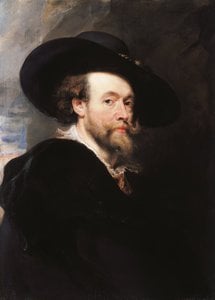
1577 - 1640 , 독일

Explore the dramatic brilliance of the Flemish Baroque movement. Discover how masters like Peter Paul Rubens utilized chiaroscuro and dynamic composition to redefine art history through light, shadow, and unparalleled emotion.

Embark on a sophisticated journey through the eternal allure of mythological art. Discover how master painters breathe life into ancient legends, from Greek deities to Baroque masterpieces, and learn to curate these timeless narratives within your own exquisite art collection.

Explore the breathtaking drama of the Baroque era. From the mastery of chiaroscuro to epic mythological narratives, discover a definitive guide to art's most powerful period of light, shadow, and emotion for the true classical art enthusiast.

Explore the exquisite precision of Flemish painting. From Jan van Eyck to Robert Campin, discover the revolutionary oil techniques and rich symbolism that defined the Northern Renaissance and continue to inspire fine art collectors today.


 미리보기
미리보기
 공유하기
공유하기 공유하기
공유하기
 상세 정보
상세 정보

 다운로드
다운로드
 유사 작품
유사 작품 X-레이
X-레이 슬라이드 쇼


 더 보기
더 보기









 유리 옵션은 110cm 미만 크기에서만 선택 가능합니다.


