실제 크기로 보기 AR로 미리보기 수작업 채색 복제본 주문하기 디지털 이미지 판매 채널로 전환 보내기
상세 보기 가이드 보기 즐겨찾기에 추가 이미지 다운로드 유사 작품 더 보기 X-레이 슬라이드 쇼 보기 Q&A 통계 정보

Andromeda

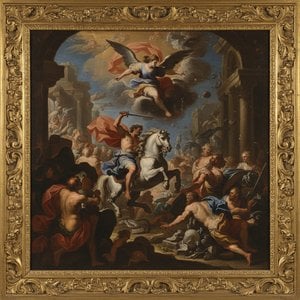
Rubens’ dramatic Baroque masterpiece depicts Andromeda's rescue by Perseus against turbulent seas—a breathtaking testament to Florentine artistic style and humanist ideals. Explore this iconic artwork and bring Rubens’ timeless vision home.

피터 폴 루베르스는 바로크 미술의 거장으로 역동적인 구도와 화려한 색채를 사용하여 인류애와 신성함을 표현했습니다. 크로스와 영혼의 침묵 등 대표작은 플랑드르 회화의 정수를 담고 있으며 예술가들의 영감을 불어넣는 작품입니다.

지클레 / 아트 프린트

빠른 제작과 다양한 마감 옵션을 선택할 수 있는 박물관 수준의 지클레이 및 캔버스 프린트. ( 수작업 채색 복제본 주문하기 디지털 이미지 판매 채널로 전환)

Corner sample of the P118B picture frame: 성형 폴리스티렌, 5 cm wide and 3 cm thick
P118B ₩10
Corner sample of the P118H picture frame: 성형 폴리스티렌, 5 cm wide and 3 cm thick
P118H ₩10
Corner sample of the P118W picture frame: 성형 폴리스티렌, 5 cm wide and 3 cm thick
P118W ₩10
Corner sample of the P438Z picture frame: 성형 폴리스티렌, 5.5 cm wide and 3.5 cm thick
P438Z ₩10
Corner sample of the P508JH picture frame: 성형 폴리스티렌, 7 cm wide and 3.5 cm thick
P508JH ₩12
Corner sample of the P508YH picture frame: 성형 폴리스티렌, 7 cm wide and 3.5 cm thick
P508YH ₩12
Corner sample of the P805H picture frame: 성형 폴리스티렌, 5 cm wide and 3.5 cm thick
P805H ₩10
Corner sample of the P805Z picture frame: 성형 폴리스티렌, 5 cm wide and 3.5 cm thick
P805Z ₩10
Corner sample of the P919BZ picture frame: 성형 폴리스티렌, 7 cm wide and 3.5 cm thick
P919BZ ₩10
Corner sample of the P919G picture frame: 성형 폴리스티렌, 7 cm wide and 3.5 cm thick
P919G ₩10
Corner sample of the P919XJ picture frame: 성형 폴리스티렌, 7 cm wide and 3.5 cm thick
P919XJ ₩10
Corner sample of the P959ZH picture frame: 성형 폴리스티렌, 5 cm wide and 3 cm thick
P959ZH ₩10
Corner sample of the P968JZ picture frame: 성형 폴리스티렌, 6 cm wide and 4 cm thick
P968JZ ₩12
Corner sample of the W106C picture frame: 원목, 5 cm wide and 3 cm thick
W106C ₩8
Corner sample of the W218G picture frame: 원목, 5 cm wide and 3 cm thick
W218G ₩10
Corner sample of the W218JH picture frame: 원목, 5 cm wide and 3 cm thick
W218JH ₩8
Corner sample of the W218Y picture frame: 원목, 5 cm wide and 3 cm thick
W218Y ₩10
Corner sample of the W307PJ picture frame: 원목, 6 cm wide and 3 cm thick
W307PJ ₩10
Corner sample of the W316G picture frame: 원목, 6 cm wide and 3 cm thick
W316G ₩10
Corner sample of the W316PJ picture frame: 원목, 6 cm wide and 3 cm thick
W316PJ ₩8
Corner sample of the W316Y picture frame: 원목, 6 cm wide and 3 cm thick
W316Y ₩10
Corner sample of the W398PJ picture frame: 원목, 5 cm wide and 3 cm thick
W398PJ ₩8
Corner sample of the W4111J picture frame: 원목, 6.5 cm wide and 3.5 cm thick
W4111J ₩10
Corner sample of the W500HY picture frame: 원목, 7 cm wide and 5 cm thick
W500HY ₩15
Corner sample of the W500JH picture frame: 원목, 7 cm wide and 5 cm thick
W500JH ₩15
Corner sample of the W692G picture frame: 원목, 8 cm wide and 4 cm thick
W692G ₩12
Corner sample of the W849H picture frame: 원목, 5 cm wide and 3 cm thick
W849H ₩8
Corner sample of the W940BG picture frame: 원목, 7.5 cm wide and 4.5 cm thick
W940BG ₩15
Corner sample of the W953PJ picture frame: 원목, 6 cm wide and 3.5 cm thick
W953PJ ₩8

표준 규격
맞춤 제작
CM
INCH

작품의 원본 비율을 그대로 유지하는 프리셋 사이즈 중에서 선택해 보세요.

가로 너비
높이

액자나 벽면 크기에 맞춰 필요한 가로와 세로 길이를 입력해 주세요. 프린트는 원본 이미지보다 크게 제작할 수 없으며 오직 자르는 것만 가능하므로, 비율이 다른 사이즈를 선택할 경우 이미지의 일부가 잘려 나갈 수 있습니다. 인쇄 작업에 들어가기 전, 최종 확인을 위해 디지털 목업을 보내드립니다. 이 페이지에 표시된 이미지는 실제 잘리는 영역을 나타내지 않으며, 오직 목업을 통해서만 정확한 확인이 가능합니다.

전 세계 배송()은 일반적인 4~5주의 소요 기간 대신 2주 이내에 완료됩니다. (29 10월)

전 세계 무료 특급 배송
고품질 린넨 캔버스
배송 전 과정 보험 적용
관세 환급 보장 서비스
원본 색상 일치 보장
제조 결함 발견 시 100일 이내 반품 가능
100% 환불 보장
다량 구매 할인 혜택

총 결제 금액

₩ 92179

Andromeda

지클레 / 아트 프린트

복제본 규격

-

총 결제 금액

₩ 92179

주요 정보

  • Notable elements or techniques: Chiaroscuro
  • Influences: Flemish Baroque
  • Medium: Oil on canvas
  • Location: Gemäldegalerie Donaueschingen, Germany
  • Subject or theme: Greek Mythology
  • Artist: Sir Peter Paul Rubens

아트 퀴즈

각 질문의 정답은 하나뿐입니다.

문항 1:
What mythological figure is depicted in Rubens’ Andromeda?
문항 2:
In what year was Andromeda painted by Peter Paul Rubens?
문항 3:
Rubens’ style is characterized by:
문항 4:
What technique does Rubens employ to create depth and drama in Andromeda?
문항 5:
Where can the original painting Andromeda by Peter Paul Rubens be found?

A Celestial Rescue: The Dramatic Brilliance of Rubens' Andromeda

In the grand theater of the Baroque era, few moments capture the raw intensity of heroism and divine grace as exquisitely as Peter Paul Rubens’ Andromeda. Painted around 1638, this masterpiece serves as a breathtaking window into a world where myth and emotion collide. The canvas transports the viewer to a perilous seascape, capturing the precise heartbeat of a rescue. We witness the legendary Perseus descending upon the scene, his arms cradling the vulnerable Andromeda, who had been chained to a jagged rock as a consequence of her mother Cassiopeia’s vanity. It is not merely a depiction of a Greek myth; it is a visceral experience of movement and relief, where the salt spray of the ocean seems almost palpable through Rubens' masterful brushwork.

The technical prowess on display in this work is nothing shortert than a triumph of the Flemish Baroque style. Rubens, a titan of his age, employs chiaroscuro to sculpt his figures out of the shadows, using dramatic contrasts between light and dark to create a sense of three-dimensional weight and urgency. His use of color is opulent and warm, breathing life into the flesh tones of the protagonists so they appear to glow with an inner vitality. The composition itself is a swirling vortex of energy; there are no static poses here, only the fluid, muscular motion characteristic of Rubens’ hand. For the discerning collector or interior designer, this painting offers a profound sense of dynamism, making it a commanding centerpiece that breathes life into any sophisticated space.

Symbolism and the Triumph of Virtue

Beyond its visual splendor, Andromeda is a tapestry of deep symbolic meaning, resonating with the humanist ideals of the 17th century. The painting functions as an allegory of virtue overcoming vice. Andromeda represents innocence and the human soul threatened by the whims of fate, while Perseus stands as the embodiment of heroic courage and divine protection. The presence of angels flanking the scene adds a celestial dimension to the narrative, suggesting that the rescue is overseen by a higher, compassionate power. This layer of spiritual guardianship transforms a classical tale into a universal message of hope and redemption.

Even the darker elements of the story serve a purpose; the shadow of Cassiopeia’s pride looms over the scene as a cautionary tale against arrogance. For those seeking to decorate with art that tells a story, this piece provides endless layers of contemplation. It is an invitation to reflect on the eternal struggle between chaos and order, between peril and salvation. To possess a reproduction of such a work is to bring into one's home not just a beautiful image, but a profound narrative of resilience and the ultimate triumph of light over darkness.

질의응답

"Andromeda"에는 어떤 분위기와 감정이 어우러져 있나요?

피터 폴 루베르스의 "Andromeda"은(는) 전반적인 Dramatic 분위기 속에서 Dramatic한 느낌을 전달합니다.

피터 폴 루베르스의 "Andromeda"의 형태와 크기는 어떻게 되나요?

피터 폴 루베르스의 "Andromeda"은(는) 189 x 94 cm 크기의 Tall 형식 작품입니다.

"Andromeda"은(는) 누가 제작했으며 어떤 화풍인가요?

"Andromeda"의 뒤에는 피터 폴 루베르스와 Baroque Dramatic Style 운동이 자리하고 있습니다.


작가 소개

Sir Peter Paul Rubens: A Baroque Master!

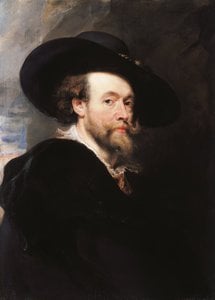
Peter Paul Rubens, a name synonymous with the exuberant grandeur of Baroque art—a movement that sought to overwhelm the senses and inspire awe—stood apart from his contemporaries as both an artist and a diplomat. Born in Siegen, Germany, on June 28th, 1577, his early life was marked by upheaval; his father’s fervent Calvinist beliefs compelled him to flee Antwerp under Spanish rule, shaping Rubens's worldview with an indelible imprint of resilience and adaptability. This formative exile instilled within him a profound appreciation for liberty and independence—qualities that would permeate his artistic endeavors throughout his illustrious career. Following his father’s untimely demise in 1587, Rubens’s family returned to Antwerp, where he received a humanist education preparing him for the intellectual currents of his time. It was here that he began his artistic apprenticeship around 1590, honing foundational skills under Tobias Verhaecht and Adam van Noort—artists who championed classical ideals and established Rubens's early training in meticulous observation and technical precision.

The Italian Awakening: Absorbing Renaissance Genius

A pivotal moment arrived in 1600 when Rubens embarked upon a transformative journey to Italy—a pilgrimage that irrevocably altered the trajectory of his artistic vision. For eight years, he immersed himself in the monumental masterpieces crafted by Michelangelo, Raphael, and Titian—giants whose mastery of form, color, and composition captivated him utterly. The influence of these Renaissance titans is palpable throughout Rubens’s early Italian works, characterized by idealized figures bathed in luminous light and imbued with classical grace. Yet, Rubens didn't merely emulate; he synthesized these influences with his innate talent—developing a distinctive Baroque style that transcended mere imitation. He undertook exhaustive anatomical studies, meticulously dissecting cadavers to gain an unparalleled understanding of human musculature—a practice considered radical for its time and reflecting his unwavering commitment to realism. This dedication to scientific observation informed every brushstroke, elevating Rubens’s depictions of the human form to levels of unprecedented beauty and expressive power.

Antwerp: Establishing a Studio and Defining Style

Returning to Antwerp in 1608, Rubens swiftly established himself as the undisputed artistic leader of his era—receiving commissions from wealthy patrons eager to adorn their palaces with canvases that reflected the splendor of the Baroque aesthetic. He married Isabella Brandt shortly thereafter—a union marked by mutual affection and intellectual companionship—and together they raised five children, fostering a home steeped in humanist values and artistic fervor. Rubens expanded his studio dramatically, attracting numerous talented assistants who bolstered his prolific output—producing an astonishing array of altarpieces, portraits, landscapes, and history paintings that cemented his reputation as one of the greatest artists of his generation. His workshop became a crucible for innovation—experimenting with new techniques and pushing the boundaries of artistic convention. Rubens’s signature style—characterized by dynamic compositions, vibrant color palettes, and sensual depictions of the human form—became instantly recognizable throughout Europe.

A Diplomatic Career Alongside Artistic Triumph

Beyond his artistic pursuits, Rubens possessed remarkable diplomatic skills—serving as envoy for Philip IV of Spain and Charles I of England—a dual role that afforded him a unique perspective on European politics and fostered connections with influential figures across the continent. He navigated treacherous political landscapes with grace and shrewdness—negotiating treaties and securing alliances that benefited his patrons and bolstered Antwerp’s position within the Habsburg realm. Rubens's commitment to humanist scholarship extended beyond artistic appreciation; he championed classical literature and philosophy, fostering a vibrant intellectual environment within his household. His erudition informed his artistic vision—inspiring him to explore themes of mythology, religion, and allegory with profound insight and sensitivity.

Legacy: An Enduring Influence on Baroque Art

Rubens’s influence reverberates throughout the Baroque period—inspiring generations of artists who sought to emulate his stylistic brilliance and dramatic flair. His monumental canvases continue to captivate audiences worldwide—testaments to his unparalleled technical skill and artistic vision. Artists like Anthony van Dyck, Jacob Jordaens, and Eugène Delacroix acknowledged Rubens’s profound impact on their own creative endeavors—drawing inspiration from his dynamic compositions, luminous color palettes, and sensual depictions of the human form. Sir Peter Paul Rubens remains an undisputed icon of Baroque art—a figure whose legacy transcends time—forever enshrined as one of history's most influential painters and a champion of humanist ideals.
피터 폴 루베르스

피터 폴 루베르스

1577 - 1640 , 독일

작가 정보 요약

  • Artistic Movement Or Style: 바로크 예술
  • Artists Who Influenced This Artist:
    • 미켈란젤로
    • 라파엘
    • 티치아노
  • Date Of Birth: 1577년 6월 28일
  • Date Of Death: 1640년 5월 30일
  • Full Name: Sir Peter Paul Rubens
  • Nationality: 플란데르스인
  • Notable Artworks:
    • 십자가 내리는 장면
    • 십자가 들어 올리는 장면
  • Place Of Birth: 독일 시겐
테마, 스타일, 특징별로 큐레이션된 작품들을 만나보세요.