
빠른 제작과 다양한 마감 옵션을 제공하는 박물관 품질의 지클레이 또는 캔버스 프린트. ( 손으로 그린 그림 구매 디지털 이미지로 전환)





























작품의 원본 비율을 유지하는 미리 설정된 크기 중에서 선택하세요.

특정 프레임이나 공간에 맞춰 직접 치수를 입력하실 수 있습니다. 선택하신 사이즈가 원본 이미지의 비율과 일치하지 않을 경우, 작품을 크롭(자르기)하거나 이미지를 대칭 또는 단색 채우기로 확장하여 제작합니다. 제작 시작 전, 최종 확인을 위해 디지털 목업이 전송됩니다.
화면상의 미리보기는 실제 크롭이나 확장 상태를 반영하지 않으므로, 최종 구도는 오직 목업을 통해서만 정확하게 확인하실 수 있습니다.
맞춤 사이즈 제작도 가능하지만, 원본 비율을 유지하기 위해서는 사전 정의된 목록에서 치수를 선택하시는 것을 권장합니다.

A lion hunt
복제본 크기
To behold Peter Paul Rubens’ “A Lion Hunt” is to be instantly swept into a whirlwind of Baroque intensity, where the boundaries between spectator and participant dissolve. This monumental masterpiece, a cornerstone of the Flemish Baroque tradition, captures a moment of raw, unbridered energy that feels as though it might burst from the canvas at any second. The scene is a visceral tableau of aristocratic hunters locked in a perilous struggle with lions, a subject that transcends mere sport to explore the profound tension between human civilization and the untamed ferocity of nature. Every element of the composition—from the rearing horses to the glint of unsheathed swords—is orchestrated to evoke a sense of theatrical grandeur and breathless suspense.
The emotional impact of the work lies in its ability to balance terrifying violence with an almost sublime beauty. There is a palpable sense of urgency in the air, driven by the frantic movement of riders and the heavy, muscular presence of the predators. For the collector or the lover of fine art, this painting offers more than just a visual spectacle; it provides a window into the 17th-century psyche, where themes of power, bravery, and the struggle for dominance were deeply embedded in the cultural consciousness. It is an artwork that demands attention, making it a commanding centerpiece for any sophisticated interior designed to inspire awe and conversation.
Rubens’ technical brilliance is on full display through his masterful manipulation of the impasto technique and a palette that pulses with life. The artist employs thick, textured applications of paint to create surfaces that catch the light, lending a three-dimensional vitality to the flesh of the hunters and the powerful anatomy of the beasts. His use of color is nothing short of symphonic; deep, dramatic crimsons and rich ochres dominate the foreground, creating a warm yet turbulent atmosphere that contrasts sharply with the more muted, earthy tones of the landscape. These vibrant hues are not merely decorative but serve a narrative purpose, guiding the eye through the chaotic fray and heightening the sense of heat and dust inherent in such a confrontation.
The brushwork itself is an exercise in dynamism. Rubens utilizes bold, sweeping strokes that propel the horses forward, imbuing the scene with a kinetic energy that defies the stillness of the medium. This fluid motion is a hallmark of his style, allowing him to capture the fleeting, split-second transitions of a battle. For interior designers seeking to add movement and "soul" to a room, a high-quality reproduction of this piece brings a rhythmic vitality that static landscapes or portraits simply cannot achieve. The interplay of light and shadow—the chiaroscuro effect—adds a layer of depth and mystery, ensuring the painting remains captivating from every angle and under varying lighting conditions.
Historically, “A Lion Hunt” emerged from the flourishing artistic zenith of Antwerp, a period when Rubens was establishing himself as the preeminent voice of his era. The painting reflects the opulent and dramatic aesthetic favored by the European courts, where art served as a tool for expressing status and heroic virtue. By depicting a hunt—a ritual of the elite—Rubens connects the viewer to the historical traditions of nobility and the pursuit of glory. The work is deeply rooted in the Counter-Reformation spirit, emphasizing sensory experience and emotional engagement to stir the very soul of the observer.
Owning or displaying a reproduction of this masterpiece allows one to invite the spirit of the Flemish Golden Age into a modern space. It serves as a profound statement of appreciation for classical technique and historical depth. Whether placed in a grand library, a formal dining room, or a contemporary gallery setting, “A Lion Hunt” acts as an anchor of sophistication, offering a timeless connection to the era of Rubens—a time when art was not just seen, but felt with every fiber of one's being.
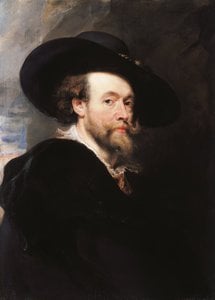
1577 - 1640 , 독일

Explore the dramatic brilliance of the Flemish Baroque movement. Discover how masters like Peter Paul Rubens utilized chiaroscuro and dynamic composition to redefine art history through light, shadow, and unparalleled emotion.

Discover the enduring allure of oil on canvas. Explore how master techniques like impasto and glazing create the depth, texture, and emotional resonance found in the world's greatest masterpieces. An essential guide for fine art enthusiasts and discerning collectors.

Embark on a sophisticated journey through Italian Baroque art. Discover the dramatic interplay of light and emotion in Caravaggio’s masterpieces and explore how to bring this timeless grandeur into your collection with expert art insights.

Elevate your collection with the dramatic grandeur of Baroque oil masterpieces. WahooArt offers exquisite, hand-painted reproductions of the Great Masters, featuring authentic chiaroscuro and premium textures. Discover bespoke artistry and expert consultation for elite collectors worldwide.


 미리보기
미리보기
 공유하기
공유하기 공유하기
공유하기
 상세 정보
상세 정보

 다운로드
다운로드
 유사 작품
유사 작품 X-레이
X-레이 슬라이드 쇼
 통계 정보
통계 정보

 더 보기
더 보기









 유리 옵션은 110cm 미만 크기에서만 선택 가능합니다.


