빠른 제작과 다양한 마감 옵션을 선택할 수 있는 박물관 수준의 지클레이 및 캔버스 프린트. ( 수작업 채색 복제본 주문하기 디지털 이미지 판매 채널로 전환)





























작품의 원본 비율을 그대로 유지하는 프리셋 사이즈 중에서 선택해 보세요.

액자나 벽면 크기에 맞춰 필요한 가로와 세로 길이를 입력해 주세요. 프린트는 원본 이미지보다 크게 제작할 수 없으며 오직 자르는 것만 가능하므로, 비율이 다른 사이즈를 선택할 경우 이미지의 일부가 잘려 나갈 수 있습니다. 인쇄 작업에 들어가기 전, 최종 확인을 위해 디지털 목업을 보내드립니다. 이 페이지에 표시된 이미지는 실제 잘리는 영역을 나타내지 않으며, 오직 목업을 통해서만 정확한 확인이 가능합니다.
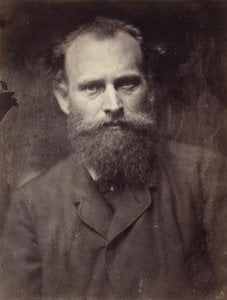
Cast Iron Billy
복제본 규격
John Thomson’s “Cast Iron Billy,” created in 1877-78, isn't merely a photograph; it’s a meticulously crafted window into the heart of late Victorian London. This albumen print, now housed within The Art Institute of Chicago’s collection, captures a fleeting moment of everyday life – a horse-drawn carriage and its driver, rendered with remarkable detail and a quiet dignity. Thomson, a physicist renowned for his discovery of the electron, was also an astute observer of society, using photography as a tool to document the realities of urban existence during a period of rapid industrialization and social change. The image possesses a grainy texture characteristic of the woodburytype process, lending it a tangible sense of history and inviting us to contemplate the passage of time.
Thomson’s choice of the woodburytype process is crucial to understanding the photograph's aesthetic. Unlike later photographic techniques, this method involved creating a negative on glass, which was then used to print directly onto paper – a process that resulted in a slightly softer, more textured image than those produced with collodion wet plate photography. The resulting sepia tones are rich and evocative, subtly shifting between browns and grays, mirroring the muted palette of Victorian London. The composition itself is carefully considered; the central placement of the carriage and figures draws the eye immediately, while the receding cobblestone street creates a sense of depth and perspective. Notice the subtle play of light and shadow, highlighting the textures of the horse’s harness, the driver's clothing, and the weathered surface of the carriage – details that speak to Thomson’s keen observational skills.
“Cast Iron Billy” offers a poignant glimpse into the social fabric of Victorian England. The title itself, “Cast Iron Billy,” refers to the type of carriage prevalent at the time – sturdy, reliable vehicles that were essential for transporting goods and people across the city. The driver, dressed in the formal attire of his profession, embodies the industrious spirit of the era. He stands as a symbol of hard work and responsibility, navigating the bustling streets of London. The photograph’s quiet stillness contrasts sharply with the frenetic energy of Victorian urban life, prompting us to consider the rhythms and routines that shaped daily existence for countless individuals. The image also subtly reflects the growing anxieties surrounding industrialization – the reliance on machines like this carriage represented both progress and potential displacement.
More than just a historical document, “Cast Iron Billy” evokes a powerful sense of nostalgia and contemplation. The photograph’s muted tones and slightly faded appearance contribute to its melancholic beauty, suggesting a lost world – a time when life moved at a slower pace and human connection was more immediate. There's an inherent dignity in the scene, a quiet grace that transcends the specific details of the subject matter. It invites us to reflect on our own relationship with history, memory, and the enduring qualities of the human spirit. Reproductions of this remarkable image offer a tangible link to the past, allowing us to experience a moment in Victorian London through the discerning eye of John Thomson.
Sir Joseph John Thomson의 "Cast Iron Billy"은(는) 퍼블릭 도메인 - 저작권 보호 기간이 만료되었습니다 상태입니다. 이 상태에 따라 해당 작품 이미지의 복제 가능 여부가 결정됩니다.
시각적 밝기 측면에서 볼 때, Sir Joseph John Thomson의 "Cast Iron Billy"은(는) balanced 수준입니다.
Calm 분위기를 자아내는 "Cast Iron Billy"은(는) Living Room에 추천합니다.


1856 - 1940 , United Kingdom

Explore the profound evolution of contemporary photography through a connoisseur's lens. From monochrome mastery to digital innovation, discover how modern photographic works shape fine art collections and define our cultural legacy.

Explore the profound artistry of black and white photography. From historical mastery to the interplay of light and shadow, discover how monochrome captures timeless emotion and form through a sophisticated lens of art history.

Explore the profound evolution of documentary photography through a cultural lens. From early social realism to modern visual narratives, discover how photographers have captured history, labor, and the human condition to redefine fine art.
 실제 크기로 보기
 보내기
보내기 공유하기
공유하기
 상세 보기
상세 보기 가이드 보기

 이미지 다운로드
 유사 작품 더 보기
 X-레이
X-레이 슬라이드 쇼 보기
 Q&A
Q&A 통계 정보
통계 정보


 상세 보기
상세 보기









 유리 옵션은 110cm 미만 크기에서만 선택 가능합니다.