Oil On CanvasWallArtPre-Raphaelite Brotherhood
 187019th Century
 136.0 x 184.0 cm
빠른 제작과 다양한 마감 옵션을 선택할 수 있는 박물관 수준의 지클레이 및 캔버스 프린트. ( 수작업 채색 복제본 주문하기 디지털 이미지 판매 채널로 전환)





























작품의 원본 비율을 그대로 유지하는 프리셋 사이즈 중에서 선택해 보세요.

액자나 벽면 크기에 맞춰 필요한 가로와 세로 길이를 입력해 주세요. 프린트는 원본 이미지보다 크게 제작할 수 없으며 오직 자르는 것만 가능하므로, 비율이 다른 사이즈를 선택할 경우 이미지의 일부가 잘려 나갈 수 있습니다. 인쇄 작업에 들어가기 전, 최종 확인을 위해 디지털 목업을 보내드립니다. 이 페이지에 표시된 이미지는 실제 잘리는 영역을 나타내지 않으며, 오직 목업을 통해서만 정확한 확인이 가능합니다.
The Knight Errant
복제본 규격
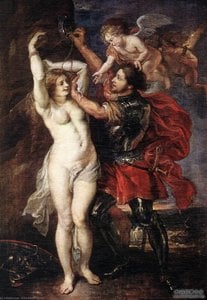
Sir John Everett Millais's “The Knight Errant,” completed in 1870, is a profoundly evocative work that immediately transports the viewer to the heart of Romanticism. Measuring 136 x 184 cm, this oil on canvas isn’t merely a depiction of a knight and a woman; it’s an intensely felt exploration of vulnerability, protection, and the enduring power of nature – themes central to the Pre-Raphaelite movement.
The scene depicts a knight, clad in gleaming armor, standing beside a naked woman. This juxtaposition is deliberately unsettling, radiating both chivalric duty and profound exposure. The woman’s expression, often interpreted as one of distress or discomfort, adds another layer to the painting's complex narrative. Millais masterfully utilizes light and shadow, creating a palpable sense of tension that draws the eye across the canvas, focusing on the stark contrast between the knight’s rigid form and the woman’s delicate vulnerability.
Millais was a pivotal figure in the Pre-Raphaelite movement, a group fiercely dedicated to rejecting the idealized forms and artificiality that had come to dominate academic art. Inspired by the clarity, detail, and emotional honesty of early Italian masters – notably Giotto and Duccio – Millais sought to return to a more direct engagement with reality. “The Knight Errant” exemplifies this approach perfectly. The artist’s meticulous technique is immediately apparent in the rendering of the knight's armor—each plate painstakingly detailed, reflecting light with a remarkable realism that suggests a sculptor’s eye. Similarly, the woman’s skin tones are rendered with an almost photographic precision, capturing subtle variations and textures that contribute to her palpable vulnerability.
The central figures—the knight and the woman—represent opposing forces, embodying themes of protection versus vulnerability, strength against weakness. The setting – a tree-lined area – serves to heighten the drama, contrasting the human conflict with the enduring power of nature. Some scholars interpret the scene as an allegory for the loss of innocence or the corruption of ideals. The knight’s armor, while representing order and defense, also suggests confinement and restriction, mirroring the woman's state of vulnerability.
Painted in 1870, “The Knight Errant” reflects a period of significant social and artistic change. The Victorian era was marked by both rapid industrialization and a renewed interest in medieval chivalry and romantic ideals. Millais’s work aligns with this cultural fascination while simultaneously challenging conventional representations of heroism and beauty. His dedication to meticulous detail and emotional honesty cemented his legacy as one of the most important artists of the Pre-Raphaelite movement, influencing generations of painters who followed.
"The Knight Errant"의 슬라이드쇼는 작품의 슬라이드쇼 페이지에서 감상하실 수 있습니다.
존 에버렛 밀레이스의 "The Knight Errant"은(는) 1870년에 제작되었으며 Pre-Raphaelite Brotherhood에 속합니다.
"The Knight Errant"의 미리보기 페이지에서는 주문 전 작품을 미리 확인할 수 있습니다.


1829 - 1896 , 영국

Explore the breathtaking world of the Pre-Raphaelite Brotherhood. Discover how this movement redefined Victorian art through vivid detail, mythological depth, and romanticism. An expert guide for classic art enthusiasts seeking to rediscover these timeless masterpieces.

Delve into the breathtaking Pre-Raphaelite Revolution. Explore the vivid colors, intricate details, and romantic symbolism of masters like Rossetti and Millais in this authoritative journey through 19th-century art history for true enthusiasts.

 실제 크기로 보기
 보내기
보내기 공유하기
공유하기
 상세 보기
상세 보기 가이드 보기

 이미지 다운로드
 유사 작품 더 보기
 X-레이
X-레이 슬라이드 쇼 보기
 Q&A
Q&A 통계 정보
통계 정보 상세 보기
상세 보기









 유리 옵션은 110cm 미만 크기에서만 선택 가능합니다.