
x


빠른 제작과 다양한 마감 옵션을 제공하는 박물관 품질의 지클레이 또는 캔버스 프린트. ( 손으로 그린 그림 구매 이미지 구매)





























작품의 원본 비율을 유지하는 미리 설정된 크기 중에서 선택하세요.

특정 프레임이나 공간에 맞춰 직접 치수를 입력하실 수 있습니다. 선택하신 사이즈가 원본 이미지의 비율과 일치하지 않을 경우, 작품을 크롭(자르기)하거나 이미지를 대칭 또는 단색 채우기로 확장하여 제작합니다. 제작 시작 전, 최종 확인을 위해 디지털 목업이 전송됩니다.
화면상의 미리보기는 실제 크롭이나 확장 상태를 반영하지 않으므로, 최종 구도는 오직 목업을 통해서만 정확하게 확인하실 수 있습니다.
맞춤 사이즈 제작도 가능하지만, 원본 비율을 유지하기 위해서는 사전 정의된 목록에서 치수를 선택하시는 것을 권장합니다.

The Farmyard
복제본 크기
George Clausen's "The Farmyard," painted in 1908, isn’t merely a depiction of rural life; it’s a carefully constructed tableau brimming with quiet observation and a profound appreciation for the rhythms of the English countryside. More than just a snapshot, this Impressionist landscape invites us into a moment suspended between labor and leisure, capturing the golden light of a summer afternoon bathing a humble farm scene in an ethereal glow. Clausen, a key figure in establishing British modernism, moved beyond the rigid conventions of academic painting, embracing instead a looser brushstroke and a heightened sensitivity to color and atmosphere – qualities powerfully evident in this work.
The composition immediately draws the eye towards the young boy, a central figure against the backdrop of a weathered farmhouse. His purposeful stride, carrying a wooden plank, suggests an active role within the farm’s operations, yet his youthful face holds a hint of serenity, suggesting a connection to this land that transcends mere toil. To his left, the ancient oak tree stands as a silent sentinel, its gnarled branches and dappled shade providing a grounding element to the scene. The careful rendering of the leaves – in shades ranging from vibrant emerald to muted olive – speaks to Clausen’s meticulous attention to detail and his ability to capture the subtle nuances of light filtering through foliage. The rustic farmhouse itself, with its thatched roof and simple construction, embodies a timelessness, anchoring the painting within a tradition of rural life.
Clausen’s mastery lies in his skillful manipulation of light and color – hallmarks of the Impressionist movement. He eschews sharp outlines and precise detail in favor of loose brushstrokes that create an almost shimmering effect, particularly noticeable in the depiction of the sky and the foliage. The colors aren't blended smoothly; instead, they are juxtaposed to create a vibrant interplay of hues, mimicking the fleeting effects of sunlight on the landscape. Observe how the warm yellows and oranges of the afternoon sun illuminate the boy’s figure and cast long shadows across the ground, while cooler blues and greens dominate the distant fields and trees. This dynamic use of color isn't simply decorative; it conveys a sense of movement and vitality, capturing the ephemeral quality of light at that specific moment in time.
The artist’s technique is particularly noteworthy in his rendering of texture. The rough bark of the oak tree, the weathered planks of the boy’s load, and the thatched roof of the farmhouse are all depicted with a tactile realism achieved through short, broken brushstrokes. This attention to surface detail adds depth and dimension to the painting, inviting us to almost feel the warmth of the sun on our skin and the scent of the countryside in the air.
Beyond its purely aesthetic qualities, “The Farmyard” carries a subtle layer of symbolic meaning. The young boy’s presence suggests themes of childhood innocence, connection to nature, and the continuation of rural traditions. His purposeful walk speaks to a sense of responsibility and engagement with the land – a quiet dignity often overlooked in depictions of farm life. The inclusion of the wooden plank hints at the physical labor involved in farming, while the farmhouse represents the stability and continuity of family life. The painting isn’t romanticized; it presents a realistic portrayal of rural existence, acknowledging both its hardships and its inherent beauty.
Furthermore, the composition subtly evokes a sense of harmony between humanity and nature. The boy is integrated seamlessly into the landscape, suggesting a mutual respect and interdependence. This theme resonates with the broader Victorian interest in pastoralism – a longing for an idealized rural past that offered respite from the rapid industrialization and social upheaval of the era. “The Farmyard” serves as a poignant reminder of this enduring fascination with the English countryside and its timeless appeal.
Reproductions of "The Farmyard" capture the essence of Clausen’s original vision, offering a window into a bygone era. When selecting a reproduction, consider the quality of materials and printing techniques used to ensure accurate color representation and detail. Hand-painted reproductions offer the most authentic experience, meticulously recreating the artist's brushstrokes and atmospheric effects. These are particularly valuable for collectors seeking an investment that honors the artistry of this significant British painter. For interior design enthusiasts, “The Farmyard”’s tranquil scene provides a touch of rustic charm and timeless elegance to any space – a reminder of the beauty and serenity found in the natural world.

1852 - 1944 , 영국

Explore the ethereal beauty of Impressionist landscapes. Discover how masters like Monet captured fleeting light through color and texture, and learn to curate these timeless, luminous masterpieces for your home collection.
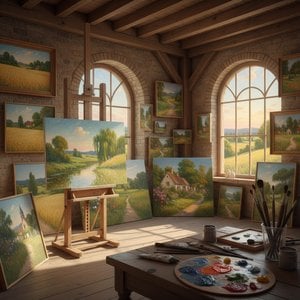
Discover the profound tranquility of rural art through an expert exploration of Impressionist landscapes. From pastoral scenes to textured oil masterpieces, learn how timeless nature-inspired artworks bring enduring elegance and serenity to sophisticated collectors.


최신 미술 뉴스, 특별 혜택 및 인테리어 아이디어를 가장 먼저 만나보세요.
프로젝트에 대해 알려주시면 저희 미술 전문가들이 맞춤형 아트 제안 3가지를 전달해 드립니다.
당신만을 위한 맞춤형 옵션 3가지를 무료로 추천해 드립니다!


 미리보기
미리보기
 공유하기
공유하기 공유하기
공유하기
 상세 정보
상세 정보

 다운로드
다운로드
 유사 작품
유사 작품 X-레이
X-레이 슬라이드 쇼


 더 보기
더 보기









 유리 옵션은 110cm 미만 크기에서만 선택 가능합니다.


