


 OilWallArtRomanticism
 182019th Century
 76.0 x 115.0 cm
 Neue Pinakothek




























작품의 원본 비율을 유지하는 미리 설정된 크기 중에서 선택하세요.

특정 프레임이나 공간에 맞도록 직접 크기를 입력할 수 있습니다. 선택하신 크기가 원본 이미지의 비율과 일치하지 않는 경우, 작품을 자르거나 추가적인 손으로 그린 요소를 사용하여 그림을 확장합니다. 제작 시작 전 승인을 위해 디지털 목업을 보내드립니다.
화면 미리 보기는 실제 자르기 또는 확장을 반영하지 않습니다. 최종 구성은 목업을 통해서만 정확하게 확인하실 수 있습니다.
맞춤 크기 제작도 가능하지만, 원본 비율을 유지하기 위해 사전 정의된 목록에서 크기를 선택하시는 것을 권장합니다.

Reading the Will
복제본 크기
In the grand tapestry of nineteenth-century British genre painting, few works capture the intimate tension of human connection quite like Sir David Wilkie’s Reading the Will. Created in 1820, this expansive group portrait invites the viewer to step into a dimly lit, atmospheric room where the air is thick with anticipation and quiet drama. The scene is far more than a mere documentation of a social gathering; it is a masterclass in storytelling through composition. As eyes converge upon a central table, we find ourselves amidst a diverse assembly of men, women, and children, each figure etched with a unique psychological weight. Some lean forward with hungry curiosity, while others retreat into contemplative shadows, creating a rhythmic ebb and flow of movement that guides the eye across the canvas.
The technical brilliance of Wilkie, often celebrated as the "People’s Painter," is on full display through his meticulous handling of light and texture. The artist employs a sophisticated chiaroscuro effect, where soft, warm light illuminates the central figures—the focal point of the legal reading—while allowing the periphery of the room to dissolve into rich, velvety depths. This interplay of light does more than define form; it directs the emotional pulse of the painting. One can almost feel the tactile quality of the scattered books, the heavy grain of the wooden furniture, and the soft upholstery of the couch. For the discerning collector or interior designer, such a piece offers a profound sense of warmth and historical gravity, making it an anchor for any room that seeks to evoke a sense of heritage and intellectual depth.
Beyond the surface level of a domestic scene, Reading the Will serves as a poignant meditation on legacy, mortality, and the social fabric of the era. The presence of books scattered throughout the room suggests a world of accumulated knowledge and history, contrasting with the immediate, visceral reality of the legal document being read. The clock perched upon the wall acts as a silent, rhythmic reminder of tempus fugit—the fleeting nature of time—adding a layer of existential urgency to the gathering. Every gesture, from a furrowed brow to a subtle glance between companions, contributes to a complex web of symbolism regarding inheritance, both material and spiritual.
For those looking to integrate this masterpiece into a curated space, the painting offers an unparalleled emotional resonance. It does not merely decorate a wall; it initiates a conversation. The composition’s ability to balance a large-scale group dynamic with intimate, individual moments makes it a versatile choice for grand galleries or more intimate studies. A high-quality hand-painted reproduction of this work preserves the delicate tonal gradations and the soulful expressions that define Wilkie's legacy, allowing the timeless drama of this 1820 masterpiece to breathe life into contemporary interiors, inspiring awe and reflection in all who behold it.


1785 - 1841 , 스코틀랜드
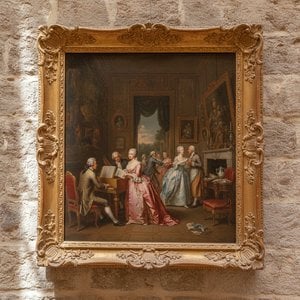
Explore the profound beauty of genre painting. From Dutch Golden Age masters to global traditions, discover how artists capture the essence of everyday life through masterful realism and timeless storytelling.


 미리보기
미리보기
 프린트 구매
 공유하기
공유하기 공유하기
공유하기
 상세 정보
상세 정보

 다운로드
다운로드
 유사 작품
유사 작품 X-레이
X-레이 슬라이드 쇼
 더 보기
더 보기









 유리 옵션은 110cm 미만 크기에서만 선택 가능합니다.


