
빠른 제작과 다양한 마감 옵션을 제공하는 박물관 품질의 지클레이 또는 캔버스 프린트. ( 손으로 그린 그림 구매 디지털 이미지로 전환)





























작품의 원본 비율을 유지하는 미리 설정된 크기 중에서 선택하세요.

특정 프레임이나 공간에 맞춰 직접 치수를 입력하실 수 있습니다. 선택하신 사이즈가 원본 이미지의 비율과 일치하지 않을 경우, 작품을 크롭(자르기)하거나 이미지를 대칭 또는 단색 채우기로 확장하여 제작합니다. 제작 시작 전, 최종 확인을 위해 디지털 목업이 전송됩니다.
화면상의 미리보기는 실제 크롭이나 확장 상태를 반영하지 않으므로, 최종 구도는 오직 목업을 통해서만 정확하게 확인하실 수 있습니다.
맞춤 사이즈 제작도 가능하지만, 원본 비율을 유지하기 위해서는 사전 정의된 목록에서 치수를 선택하시는 것을 권장합니다.

Duncan Gray
복제본 크기
In the quiet corners of art history, few works capture the tender pulse of everyday existence as masterfully as Sir David Wilkie’s Duncan Gray. Executed in 1819, this captivating oil painting serves as a profound window into the heart of Victorian domesticity, offering much more than a mere portrait of a family. It is an intimate study of connection, where the boundaries between individuals blur into a singular atmosphere of warmth and companionship. As one gazes upon the scene, there is an immediate sense of being invited into a private sanctuary, a comfortable dining room where time seems to slow, allowing the viewer to breathe in the stillness of a shared moment.
The composition is anchored by a central group that radiates quiet affection. At the heart of this domestic tableau stands Duncan Gray, his presence both protective and gentle as he rests a hand upon the shoulder of his seated wife. This subtle gesture, a hallmark of Wilkie’s emotive genius, speaks volumes of the unspoken bonds of love and stability. Surrounding them, the presence of a young boy at the table and another gentleman nearby adds layers of narrative depth, suggesting a lineage of shared stories and traditions. Even the silent observer in the background—a dog resting peacefully—serves to anchor the scene in a sense of profound peace, reinforcing the idyllic nature of this family gathering.
Technically, Duncan Gray is a triumph of the Romantic movement’s emphasis on emotional resonance through meticulous precision. Wilkie was a master of tonal gradation, a technique he employs here to breathe life into the very air of the room. By gradually shifting hues and managing the delicate interplay of light and shadow, he creates a luminous surface that feels almost tactile. One can almost feel the weight of the mahogany dining table or the smooth skin of the fruit resting in its bowl—a classic motif of the era reflecting an appreciation for natural beauty and refined, earthly delights.
Every brushstroke is imbued with purpose, from the intricate folds of the figures' drapery to the soft, atmospheric light filtering through the space. This attention to detail does not merely serve a decorative function; it builds a world that feels lived-in and authentic. For the collector or interior designer, this painting offers an unparalleled opportunity to introduce a sense of historical weight and soulful elegance into a contemporary setting. The rich textures and deep, warm tones provide a sophisticated focal point that can anchor a room, lending an air of timelessness and cultured tranquility to any curated space.
Beyond its aesthetic brilliance, the painting carries a significant historical weight, drawing inspiration from the cultural zeitgeist of 19th-century Scotland. As a "people’s painter," Wilkie had an uncanny ability to elevate the mundane to the monumental. In Duncan Gray, he captures the essence of a period transitioning into the Victorian age, where the sanctity of the home became a central pillar of social identity. The painting is not just a depiction of people; it is a depiction of values—stability, affection, and the quiet dignity of domestic life.
For those seeking to adorn their homes with art that evokes emotion rather than mere decoration, this work stands as a premier choice. A high-quality reproduction of this masterpiece allows the spirit of Wilkie’s vision to reside within modern interiors, bridging the gap between the romanticized past and the present day. It is an investment in atmosphere, providing a constant source of inspiration and a window into a world where beauty is found in the simplest, most heartfelt interactions.


1785 - 1841 , 스코틀랜드

Explore 10 defining masterpieces of Romantic Realism! Discover Courbet, Millet & Daumier's powerful paintings—capturing emotion and social realities. Find museum-quality reproductions for your home at WahooArt.com.
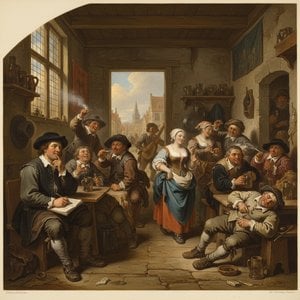
Explore the captivating world of David Teniers the Younger, a leading Flemish Baroque painter. Discover his genre scenes, social commentary, and lasting influence on 17th-century art. Learn about his life, techniques & legacy.
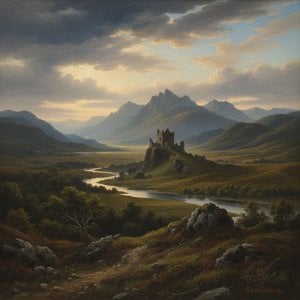
Explore the life & art of Alexander Nasmyth, a pivotal figure in Scottish Romantic landscape painting. Discover his iconic works, including portraits of Robert Burns, and learn about his lasting influence on national identity. Fine art reproductions available.

낭만주의 시대, 예술혼을 불태운 10대 풍경화 걸작! 터너부터 프리드리히까지, 시대를 초월하는 아름다움을 와후아트에서 만나보세요. 고흐의 색채와 코로의 섬세함이 당신의 공간에 영감을 더합니다. 지금 바로 와후아트에서 명품 미술 작품을 감상하고 구매하세요!

Explore the life & work of Sir David Wilkie, a pivotal figure in Victorian genre painting. Discover his narrative detail, social commentary, and lasting influence on 19th-century British art. Learn more at WahooArt.


 미리보기
미리보기
 공유하기
공유하기 공유하기
공유하기
 상세 정보
상세 정보 Guide
Guide

 다운로드
다운로드
 유사 작품
유사 작품 X-레이
X-레이 슬라이드 쇼
 통계 정보
통계 정보


 더 보기
더 보기









 유리 옵션은 110cm 미만 크기에서만 선택 가능합니다.


