
x


빠른 제작과 다양한 마감 옵션을 제공하는 박물관 품질의 지클레이 또는 캔버스 프린트. ( 손으로 그린 그림 구매 이미지 구매)





























작품의 원본 비율을 유지하는 미리 설정된 크기 중에서 선택하세요.

특정 프레임이나 공간에 맞춰 직접 치수를 입력하실 수 있습니다. 선택하신 사이즈가 원본 이미지의 비율과 일치하지 않을 경우, 작품을 크롭(자르기)하거나 이미지를 대칭 또는 단색 채우기로 확장하여 제작합니다. 제작 시작 전, 최종 확인을 위해 디지털 목업이 전송됩니다.
화면상의 미리보기는 실제 크롭이나 확장 상태를 반영하지 않으므로, 최종 구도는 오직 목업을 통해서만 정확하게 확인하실 수 있습니다.
맞춤 사이즈 제작도 가능하지만, 원본 비율을 유지하기 위해서는 사전 정의된 목록에서 치수를 선택하시는 것을 권장합니다.

Lady Dacre
복제본 크기
Sir Anthony van Dyck’s “Lady Dacre” is not merely a portrait; it's a carefully constructed tableau of Renaissance elegance, imbued with subtle symbolism and the quiet dignity of a woman navigating a world shaped by both beauty and loss. Painted in 1633, this exquisite work captures Dorothy, Lady Dacre – a figure shrouded in historical intrigue and possessing a captivating presence that transcends the confines of her painted likeness. The painting immediately draws the eye to its subject’s somber attire: a rich black gown, meticulously draped, and a matching cap shaped like a widow's peak—a poignant visual echo of her recent bereavement. Yet, it is not simply mourning that dominates; there’s an underlying strength, a poised grace that speaks volumes about her character.
Van Dyck’s mastery lies in his ability to render texture and light with breathtaking precision. The velvet of the gown seems to shimmer beneath the subtle highlights, while the folds cascade with a realistic fluidity. Notice how he captures the delicate sheen of the pearl necklace, a symbol of wealth and status, yet also hinting at vulnerability. The muted palette—primarily deep blues, browns, and blacks—creates an atmosphere of contemplative stillness, drawing the viewer into the scene’s intimate space. The artist's use of chiaroscuro – the dramatic contrast between light and shadow – is particularly effective, sculpting the subject’s face and emphasizing her features with a masterful hand.
To fully appreciate “Lady Dacre,” it’s essential to understand the historical context in which she lived. Dorothy Fiennes was the daughter of George Neville, 5th Baron Bergavenny, and a woman deeply entwined with the tumultuous events surrounding King Charles I's reign. Her marriage to Thomas Fiennes, 9th Baron Dacre, a man who tragically met his end through a politically motivated murder in 1541, cast her into a life of widowhood and constant struggle for her family’s inheritance. The painting was created during this period of uncertainty and legal battles, reflecting the emotional weight she carried.
The inclusion of two birds within the composition adds layers of symbolic meaning. One bird is positioned on the left side of the canvas, while another appears towards the top right corner. These avian figures are often interpreted as symbols of hope and resurrection—a subtle nod to Dorothy’s enduring spirit amidst adversity. The rose held delicately in her hand further reinforces this theme, representing both the fading beauty of a widow's life and the promise of future love and renewal.
Sir Anthony van Dyck stands as one of the most influential portrait painters in European history. His work, particularly his portraits of the English aristocracy during Charles I's reign, revolutionized the genre by introducing a new level of intimacy and psychological depth. He moved away from the stiff formality of earlier court portraits, capturing subjects with a sense of relaxed elegance and genuine emotion. “Lady Dacre” exemplifies this shift—it’s not simply a likeness; it’s a carefully crafted portrayal of a woman's inner life.
Van Dyck’s influence on subsequent generations of artists is undeniable, and his techniques – particularly his mastery of light, color, and composition – continue to inspire painters today. Reproductions of “Lady Dacre” offer a remarkable opportunity to experience the beauty and sophistication of this iconic work firsthand, allowing us to connect with a woman whose story continues to resonate across centuries.


1599 - 1641 , 벨기에

Explore the life & legacy of Sir Anthony van Dyck, the leading court painter of his era. Discover his innovative portraiture, Baroque masterpieces, and investment potential for discerning collectors. Learn more at WahooArt.

렘브란트 반 레인 명작 25선을 만나보세요. 빛과 그림자의 거장이 그린 역사화, 초상화 속 예술의 정수를 감상하고, 네덜란드 황금시대 바로크 미술의 깊이를 느껴보세요. WahooArt.com에서 고품질 복제화를 컬렉션하세요.

Explore the grandeur of Baroque portraiture! Discover Rubens, Van Dyck & the masters of 17th-century art. Uncover symbolism, techniques & lasting influence. Expert insights for collectors and enthusiasts.
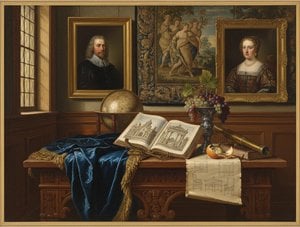
Journey through 17th century art with masterpieces by Rembrandt, Vermeer & Caravaggio. Explore Baroque paintings, Dutch Golden Age techniques & timeless beauty. Find museum-quality reproductions and elevate your home decor on WahooArt.com.
Explore the breathtaking drama of 17th-century Baroque art. Our expert guide decodes the use of chiaroscuro, emotional intensity, and historical grandeur to help you appreciate and curate timeless masterpieces for your collection.


최신 미술 뉴스, 특별 혜택 및 인테리어 아이디어를 가장 먼저 만나보세요.
프로젝트에 대해 알려주시면 저희 미술 전문가들이 맞춤형 아트 제안 3가지를 전달해 드립니다.
당신만을 위한 맞춤형 옵션 3가지를 무료로 추천해 드립니다!


 미리보기
미리보기
 공유하기
공유하기 공유하기
공유하기
 상세 정보
상세 정보

 다운로드
다운로드
 유사 작품
유사 작품 X-레이
X-레이 슬라이드 쇼


 더 보기
더 보기









 유리 옵션은 110cm 미만 크기에서만 선택 가능합니다.


