
빠른 제작과 다양한 마감 옵션을 제공하는 박물관 품질의 지클레이 또는 캔버스 프린트. ( 손으로 그린 그림 구매 디지털 이미지로 전환)





























작품의 원본 비율을 유지하는 미리 설정된 크기 중에서 선택하세요.

특정 프레임이나 공간에 맞춰 직접 치수를 입력하실 수 있습니다. 선택하신 사이즈가 원본 이미지의 비율과 일치하지 않을 경우, 작품을 크롭(자르기)하거나 이미지를 대칭 또는 단색 채우기로 확장하여 제작합니다. 제작 시작 전, 최종 확인을 위해 디지털 목업이 전송됩니다.
화면상의 미리보기는 실제 크롭이나 확장 상태를 반영하지 않으므로, 최종 구도는 오직 목업을 통해서만 정확하게 확인하실 수 있습니다.
맞춤 사이즈 제작도 가능하지만, 원본 비율을 유지하기 위해서는 사전 정의된 목록에서 치수를 선택하시는 것을 권장합니다.

Crucifixion
복제본 크기
Sir Anthony van Dyck's 1622 depiction of the Crucifixion is not merely a representation of a biblical event; it’s a visceral exploration of human suffering and spiritual anguish, rendered with the characteristic grace and emotional intensity that would define the artist’s career. Painted during a pivotal period in his artistic development – following his formative years under Peter Paul Rubens – this work reveals a burgeoning mastery of Baroque techniques combined with a deeply personal engagement with the subject matter. The painting immediately confronts the viewer with the stark reality of Christ's agony, captured through meticulously observed detail and a masterful manipulation of light and shadow. The extended limbs, strained muscles, and contorted face of Jesus powerfully convey the physical torment endured during his final hours. It’s a scene designed not just to depict an event but to evoke a profound emotional response.
Van Dyck's artistic lineage is immediately apparent in this ‘Crucifixion’. He inherited Rubens’ penchant for dynamic composition, evident in the diagonal thrust of the cross itself and the positioning of the figures. However, unlike Rubens’ often exuberant displays, Van Dyck tempers this drama with a refined elegance, a hallmark of his style. The Flemish influence is also palpable – particularly in the careful rendering of textures: the rough-hewn wood of the cross, the folds of Jesus's garment, and the subtle variations in skin tone. This attention to detail elevates the scene beyond simple illustration, transforming it into a study of human form and its vulnerability. The use of chiaroscuro – the dramatic contrast between light and dark – is expertly employed to heighten the emotional impact, focusing our gaze on Christ’s suffering while simultaneously creating an atmosphere of solemnity.
Beyond the immediate depiction of the crucifixion, the painting is rich in symbolic meaning. The presence of the two figures standing at either side of the cross – often interpreted as representing John the Evangelist and Mary Magdalene – underscores the profound grief and devotion surrounding Christ’s sacrifice. The solitary bird perched near the top left corner has been suggested to represent the soul ascending towards heaven, a common motif in religious art of the period. The overall composition speaks to themes of redemption, faith, and the ultimate triumph over death. Van Dyck doesn't offer easy answers; instead, he presents a challenging meditation on human mortality and spiritual yearning.
Completed in 1622, this ‘Crucifixion’ represents a crucial step in Van Dyck’s artistic journey. It foreshadows the emotional depth and psychological insight that would become central to his later portrait work, solidifying his reputation as one of the most significant artists of the Baroque era. A hand-painted reproduction offers an unparalleled opportunity to experience the power and beauty of this seminal artwork – a testament to Van Dyck’s genius and a poignant reminder of humanity's enduring struggle with faith and suffering. This piece is ideal for those seeking to infuse their spaces with a sense of gravitas, contemplation, or simply appreciate the mastery of a true artistic visionary.


1599 - 1641 , 벨기에

Journey through the Golden Age with our guide to the Top 10 Dutch Baroque masterpieces! Explore iconic paintings by Rembrandt, Vermeer & Frans Hals. Find museum-quality art reproductions and elevate your home decor at WahooArt.com.

렘브란트 반 레인 명작 25선을 만나보세요. 빛과 그림자의 거장이 그린 역사화, 초상화 속 예술의 정수를 감상하고, 네덜란드 황금시대 바로크 미술의 깊이를 느껴보세요. WahooArt.com에서 고품질 복제화를 컬렉션하세요.

Explore the life & legacy of Sir Anthony van Dyck, the leading court painter of his era. Discover his innovative portraiture, Baroque masterpieces, and investment potential for discerning collectors. Learn more at WahooArt.
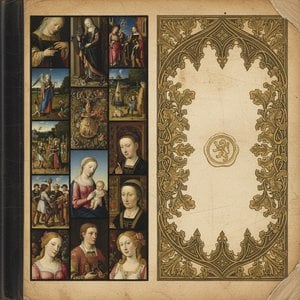
Journey into the world of Early Netherlandish painting! Explore 10 masterpieces by Jan van Eyck, Rogier van der Weyden & more. Discover stunning detail, symbolism & Renaissance art for your home decor. Find museum-quality reproductions on WahooArt.com
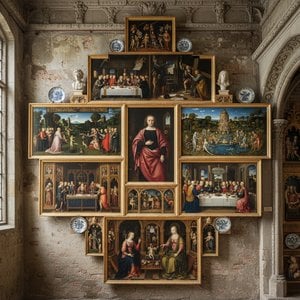
Journey into the Early Netherlandish Renaissance! Explore 10 iconic paintings by Jan van Eyck, Rogier van der Weyden & more. Discover stunning detail, symbolism, and oil painting techniques. Find museum-quality art reproductions for your home at WahooArt.com.


 미리보기
미리보기
 공유하기
공유하기 공유하기
공유하기
 상세 정보
상세 정보 가이드 보기

 다운로드
다운로드
 유사 작품
유사 작품 X-레이
X-레이 슬라이드 쇼
 통계 정보
통계 정보


 더 보기
더 보기









 유리 옵션은 110cm 미만 크기에서만 선택 가능합니다.


