
 Oil On CanvasWallArtBaroque
 1617
1617 119.0 x 178.0 cm
 나르오드니 갈레레
빠른 제작과 다양한 마감 옵션을 제공하는 박물관 품질의 지클레이 또는 캔버스 프린트. ( 손으로 그린 그림 구매 디지털 이미지로 전환)





























작품의 원본 비율을 유지하는 미리 설정된 크기 중에서 선택하세요.

특정 프레임이나 공간에 맞춰 직접 치수를 입력하실 수 있습니다. 선택하신 사이즈가 원본 이미지의 비율과 일치하지 않을 경우, 작품을 크롭(자르기)하거나 이미지를 대칭 또는 단색 채우기로 확장하여 제작합니다. 제작 시작 전, 최종 확인을 위해 디지털 목업이 전송됩니다.
화면상의 미리보기는 실제 크롭이나 확장 상태를 반영하지 않으므로, 최종 구도는 오직 목업을 통해서만 정확하게 확인하실 수 있습니다.
맞춤 사이즈 제작도 가능하지만, 원본 비율을 유지하기 위해서는 사전 정의된 목록에서 치수를 선택하시는 것을 권장합니다.

Abraham and Isaac
복제본 크기
Sir Anthony van Dyck's “Abraham and Isaac,” painted in 1617, is more than just a biblical scene; it’s a profound meditation on faith, obedience, and the agonizing weight of divine command. This masterful work transcends its religious subject matter to become a timeless exploration of human emotion and the complex relationship between man and God. Van Dyck, already establishing his signature style—characterized by elegant portraits and a remarkable ability to capture fleeting expressions—delves into this pivotal narrative with an intensity that resonates deeply even today.
The painting depicts the moment before Abraham is poised to sacrifice Isaac, as recounted in Genesis. The composition is remarkably balanced, drawing the eye immediately to the central figures of the father and son. Abraham, rendered with a dignified sorrow etched onto his face, holds Isaac firmly but gently, conveying both resolve and heartbreaking reluctance. Isaac’s youthful countenance reflects a mixture of apprehension and acceptance—a poignant testament to the boy's unwavering trust in his father’s judgment. The surrounding figures – servants, messengers, and the landscape itself – are rendered with subtle detail, contributing to the overall sense of drama and solemnity.
Van Dyck’s technical prowess is immediately evident in the painting's rich textures and masterful use of light. He employs a technique known as “sfumato,” blurring the edges of forms to create an atmospheric haze that envelops the scene, intensifying the emotional impact. The deep, saturated colors—particularly the earthy tones of Abraham’s robe and the muted blues of the sky—lend a sense of gravitas and timelessness to the composition. Van Dyck's brushwork is remarkably fluid, particularly in depicting the drapery, which flows with an almost sculptural quality. Note how he uses light to highlight key elements – Isaac’s face, Abraham’s hand – drawing attention to the central drama.
The painting adheres closely to the conventions of Baroque art, but Van Dyck infuses it with a distinctly personal touch. The composition is carefully structured around a triangular arrangement, anchoring the scene and directing the viewer's gaze towards the central figures. The use of perspective creates a sense of depth, drawing the viewer into the narrative and immersing them in the emotional intensity of the moment. Van Dyck’s ability to capture such nuanced emotion within a formal structure is a hallmark of his genius.
“Abraham and Isaac” is laden with symbolic meaning. The ram, sacrificed in place of Isaac, represents divine mercy and substitution—a powerful image of God's willingness to accept alternative offerings in lieu of human sacrifice. The mountain itself – Jehovah-jireh, “the Lord will provide” – symbolizes a moment of faith tested to its limits. It’s not merely a landscape; it’s a stage for the drama of divine revelation and humanity’s response to it.
Beyond the biblical narrative, the painting can be interpreted as an allegory of the human condition—a reflection on the challenges of obedience, the burden of responsibility, and the enduring struggle between faith and doubt. Abraham's anguish mirrors our own moments of uncertainty and moral dilemmas, while Isaac’s youthful acceptance speaks to the power of trust and unwavering belief. The painting invites viewers to contemplate their own relationship with faith, morality, and the choices they make in the face of adversity.
Sir Anthony van Dyck’s “Abraham and Isaac” stands as a testament to his artistic skill and profound understanding of human emotion. His masterful technique, combined with a keen awareness of symbolism and narrative depth, elevates the painting beyond a simple depiction of a biblical story. It remains a powerful and moving work of art, admired for its beauty, its emotional resonance, and its enduring relevance. Reproductions of this iconic piece capture the essence of Van Dyck’s genius, offering a glimpse into a world of elegance, drama, and timeless contemplation.


1599 - 1641 , 벨기에

렘브란트 반 레인 명작 25선을 만나보세요. 빛과 그림자의 거장이 그린 역사화, 초상화 속 예술의 정수를 감상하고, 네덜란드 황금시대 바로크 미술의 깊이를 느껴보세요. WahooArt.com에서 고품질 복제화를 컬렉션하세요.

화려함과 극적인 표현이 압권! 바로크 미술을 대표하는 10대 걸작의 숨겨진 이야기를 만나보세요. 베르니니, 루벤스 등 거장의 작품부터 바로크 색감, 예술적 기법까지 – WahooArt.com에서 명품 복제 & 인테리어 영감을 얻으세요! 지금 바로 컬렉션을 탐험해보세요.

Explore the life & legacy of Sir Anthony van Dyck, the leading court painter of his era. Discover his innovative portraiture, Baroque masterpieces, and investment potential for discerning collectors. Learn more at WahooArt.

Explore the grandeur of Baroque portraiture! Discover Rubens, Van Dyck & the masters of 17th-century art. Uncover symbolism, techniques & lasting influence. Expert insights for collectors and enthusiasts.
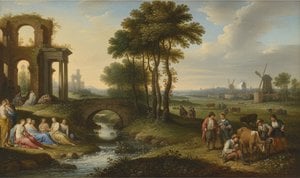
Discover Cornelis van Poelenburch, a pivotal Dutch Baroque landscape painter bridging Mannerism & Italianate styles. Explore his life, key works, and lasting influence on 17th-century art with WahooArt.


 미리보기
미리보기
 공유하기
공유하기 공유하기
공유하기
 상세 정보
상세 정보

 다운로드
다운로드
 유사 작품
유사 작품 X-레이
X-레이 슬라이드 쇼
 통계 정보
통계 정보 더 보기
더 보기









 유리 옵션은 110cm 미만 크기에서만 선택 가능합니다.


