
 Oil On CanvasWallArtImpressionistic Landscape
 Modern
 114.0 x 104.0 cm
 The Munnings Art Museum
빠른 제작과 다양한 마감 옵션을 제공하는 박물관 품질의 지클레이 또는 캔버스 프린트. ( 손으로 그린 그림 구매 디지털 이미지로 전환)





























작품의 원본 비율을 유지하는 미리 설정된 크기 중에서 선택하세요.

특정 프레임이나 공간에 맞춰 직접 치수를 입력하실 수 있습니다. 선택하신 사이즈가 원본 이미지의 비율과 일치하지 않을 경우, 작품을 크롭(자르기)하거나 이미지를 대칭 또는 단색 채우기로 확장하여 제작합니다. 제작 시작 전, 최종 확인을 위해 디지털 목업이 전송됩니다.
화면상의 미리보기는 실제 크롭이나 확장 상태를 반영하지 않으므로, 최종 구도는 오직 목업을 통해서만 정확하게 확인하실 수 있습니다.
맞춤 사이즈 제작도 가능하지만, 원본 비율을 유지하기 위해서는 사전 정의된 목록에서 치수를 선택하시는 것을 권장합니다.

Study for 'The Ford'
복제본 크기
In the quiet, mist-laden corners of the British countryside, there exist moments of profound stillness that seem to hold the breath of history itself. Sir Alfred James Munnings, a master of the equine form and a titan of 20th-century British art, captured such a moment in his evocative work, Study for 'The Ford'. This piece is far more than a mere depiction of animals crossing water; it is an immersive sensory experience that transports the viewer to the edge of a riverbank, where the air is thick with the scent of damp earth and the rhythmic splashing of hooves. Through his masterful command of light and movement, Munnings invites us into a world where the boundaries between man, beast, and nature blur into a singular, poetic expression of life in motion.
The composition centers on a striking scene of strength and grace: a solitary figure, dressed with an unexpected touch of formal elegance in a suit and tie, guides three horses through the shallow currents of a ford. The contrast between the man's structured attire and the raw, untamed energy of the animals creates a captivating tension. Each horse is rendered with distinct character—a snowy white, a deep chestnut, and a midnight black—emerging from the water like specters from a dream. As they traverse the river, the water breaks around their legs in delicate ripples, reflecting the muted, atmospheric tones of the sky above. It is a scene that balances the heavy physicality of the horses with the ethereal, fleeting quality of light dancing upon the surface of the stream.
Munnings’s technique in this study reveals the heart of the Impressionist movement applied to the rugged textures of rural life. Eschewing the sterile precision of photographic realism, the artist employs a vigorous, impasto application of oil paint. His brushstrokes are bold and deliberate, layered upon the canvas to create a palpable texture that mimics the very elements he depicts. One can almost feel the weight of the horses' muscles and the cool, fluid resistance of the river through the thick, tactile ridges of paint. This method allows for a brilliant play of light; the highlights on the horses' coats and the shimmering reflections in the water are not merely painted, but sculpted onto the surface.
The color palette is a sophisticated study in subtlety, dominated by earthy browns, slate greys, and soft silvers. These tones evoke the "grey-weather" days that Munnings so cherished—those overcast, serene moments when the light is diffused and the landscape takes on a melancholic, timeless quality. By prioritizing atmosphere over minute detail, the artist achieves a sense of immediacy. The viewer does not just observe the scene; they feel the dampness of the riverbank and the quiet anticipation that precedes the movement of the herd. This mastery of tone ensures that the painting possesses a depth that remains captivating even upon repeated viewings.
Historically, Study for 'The Ford' serves as a poignant tribute to a vanishing way of life. Created during a period when the traditional rhythms of the English countryside were beginning to face the pressures of modernity, Munnings’s work acts as a preservation of heritage. The horse, a symbol of nobility and an unbreakable bond with the land, stands at the center of his artistic mission. For the collector or the interior designer, this piece offers more than just aesthetic beauty; it brings a sense of historical weight and pastoral tranquility to any space. It is a work that commands attention through its quiet dignity rather than through loud or jarring colors.
Whether placed in a grand library, a sophisticated study, or a contemporary living space, this reproduction serves as a window into the romanticized soul of the United Kingdom. It provides an anchor of stability and grace, making it an ideal choice for those looking to infuse their surroundings with a sense of cultured nostalgia and enduring strength. To own such a piece is to possess a fragment of the English pastoral tradition—a permanent reminder of the beauty found in the simplest, most fleeting moments of nature.

1878년 옥토버리 8일, 서퍽 주 멘담 밀에서 태어난 알프레드 제임스 머닝스는 단순한 화가를 넘어, 영국 문화와 예술사에 깊숙이 뿌리내린 거장이었습니다. 그의 삶은 말과의 끊을 수 없는 유대감으로 정의될 수 있으며, 이는 그의 예술적 비전을 형성하고 그를 명성의 정점으로 이끌었습니다. 머닝스는 단순히 보이는 것을 기록하는 것이 아니라, 사라져가는 시대의 감성, 분위기, 그리고 정신을 보존하고자 했습니다. 그는 전통과 사냥, 시골 생활의 리듬으로 가득 찬 영국에 대한 날카로운 관찰을 통해 한 시대를 포착했습니다.
머닝스의 예술 여정은 공식적인 아카데미 교육보다는 노리치 인쇄소에서 일하며 시작되었습니다. 이 경험은 디자인과 관찰 능력을 연마하는 동시에 노리치 미술학교에서 공부할 수 있는 기회를 제공했습니다. 이는 그가 예술가로서 자신의 길을 개척해 나가는 데 중요한 시기였습니다. 그는 1898년 눈의 사고로 시력을 잃었지만, 좌절하지 않고 그림 그리기를 계속했습니다. 초기 작품들은 주로 노리치에서 선보였으며, 곧 로열 아카데미 여름 전시회에 두 점의 작품이 전시되면서 그의 재능을 인정받기 시작했습니다. 그는 특히 집시와 말을 주제로 한 시골 풍경화를 통해 자신의 예술적 감각을 드러냈습니다. 뉴린 학교 화가들의 영향을 받아 야외에서 직접 자연을 관찰하며 그림을 그리는 데 몰두했고, 이는 그의 대표적인 스타일 – 느슨한 붓터치, 생생한 색감, 그리고 역동적인 움직임 –의 기반이 되었습니다.
제1차 세계 대전은 머닝스의 예술적 관점뿐만 아니라 그의 공공 이미지에도 큰 영향을 미쳤습니다. 전투에 직접 참여할 수 없었지만, 그는 캐나다 기병대의 공식 전쟁 화가로 임명되어 전쟁의 중요한 역할을 기록했습니다. 이 경험을 통해 그는 전쟁의 참혹함, 희생, 그리고 인간과 동물의 끈끈한 유대감을 목격했습니다. 그의 전쟁 그림들은 전투를 미화하는 것이 아니라 고통과 상실 속에서도 드러나는 슬픔과 회복력을 담아낸 진솔한 반영입니다. 전쟁 이후 머닝스는 명성과 재정적 안정을 누리며, 로열 아카데미의 대통령이 되기 전까지 수많은 귀족들과 레이싱계 인사들의 초상화를 의뢰받았습니다. 그는 전통적인 예술 가치를 옹호하며 현대 미술 운동에 대한 비판적인 목소리를 높였습니다.
머닝스는 전통에 깊이 뿌리내린 예술 철학을 가지고 있었으며, 급변하는 세상 속에서 예술적 기준을 유지하고 전통적인 아름다움을 기념하는 것의 중요성을 강조했습니다. 1949년 BBC 라디오 방송에서 그는 입담 좋게 현대 미술에 대한 비판을 펼쳤습니다. 그의 발언은 논란을 불러일으켰지만, 동시에 변화하는 예술계 속에서 전통적인 가치를 지키고자 하는 사람들의 공감을 얻었습니다. 그는 로열 아카데미의 대통령으로 선출되어 영국 예술계에서의 입지를 확고히 했습니다. 머닝스는 300여 점의 작품을 로열 아카데미 여름 전시회에 출품하며, 수많은 귀족과 왕실 가족의 초상화를 남겼습니다.
머닝스의 유산은 그의 뛰어난 그림뿐만 아니라, 급변하는 세상 속에서 예술적 전통을 옹호했던 열정적인 지지자로서도 이어지고 있습니다.

1878 - 1959 , 영국
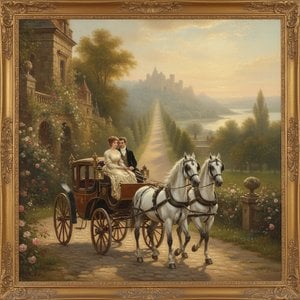
Embark on a visual journey through the romantic world of horse carriage art. Discover the mastery of equestrian oil paintings, from Impressionist textures to classical realism, and learn how to bring timeless elegance into your home with museum-quality reproductions.

Discover the breathtaking equestrian mastery of Sir Alfred James Munnings. Explore an art-history journey through his impressionistic captures of motion, light, and rural elegance, perfect for the discerning classic art enthusiast and collector.

Master the nuances of Impressionism vs. Post-Impressionism with our expert guide. Explore the revolutionary shift from Monet’s fleeting light to Van Gogh’s emotional depth. Discover how these iconic movements continue to inspire fine art collectors and modern interiors today.


 미리보기
미리보기
 공유하기
공유하기 공유하기
공유하기
 상세 정보
상세 정보 가이드 보기

 다운로드
다운로드
 유사 작품
유사 작품 X-레이
X-레이 슬라이드 쇼
 통계 정보
통계 정보 더 보기
더 보기









 유리 옵션은 110cm 미만 크기에서만 선택 가능합니다.


