
빠른 제작과 다양한 마감 옵션을 제공하는 박물관 품질의 지클레이 또는 캔버스 프린트. ( 손으로 그린 그림 구매 디지털 이미지로 전환)





























작품의 원본 비율을 유지하는 미리 설정된 크기 중에서 선택하세요.

특정 프레임이나 공간에 맞춰 직접 치수를 입력하실 수 있습니다. 선택하신 사이즈가 원본 이미지의 비율과 일치하지 않을 경우, 작품을 크롭(자르기)하거나 이미지를 대칭 또는 단색 채우기로 확장하여 제작합니다. 제작 시작 전, 최종 확인을 위해 디지털 목업이 전송됩니다.
화면상의 미리보기는 실제 크롭이나 확장 상태를 반영하지 않으므로, 최종 구도는 오직 목업을 통해서만 정확하게 확인하실 수 있습니다.
맞춤 사이즈 제작도 가능하지만, 원본 비율을 유지하기 위해서는 사전 정의된 목록에서 치수를 선택하시는 것을 권장합니다.

A White Slave
복제본 크기
In the evocative oil painting "A White Slave", Sir Alfred James Munnings invites the viewer into a serene yet bustling vignette of late 19th or early 20th-century rural life. The scene unfolds with the rhythmic charm of a countryside market day, where the air seems thick with the scent of fresh produce and the earthy aroma of hardworking horses. At the heart of this composition lies a horse-drawn cart, heavily laden with the bountiful harvest of the land, serving as a central axis that anchors the surrounding activity. Through his masterful command of light and movement, Munnings captures more than just a moment in time; he preserves the very soul of a traditional way of life that was already beginning to slip into the shadows of modernity.
The painting is a triumph of Impressionistic realism, where the artist’s brushwork breathes life into every element of the landscape. Munnings employs a palette dominated by muted earth tones—deep ochres, soft umbers, and mossy greens—which are punctuated by the vibrant, unexpected splashes of color found within the piled produce. This careful balance of color creates a sense of natural harmony, reflecting the symbiotic relationship between the laborers, their animals, and the fertile soil they tend. The texture of the piece is particularly captivating; the visible, layered brushstrokes and subtle impasto suggest a tactile richness, allowing the viewer to feel the ruggedness of the wooden cart and the soft, diffused light that bathes the figures in a gentle, nostalgic glow.
Technically, "A White Slave" showcases Munnings’s extraordinary ability to manipulate perspective and atmosphere. While the composition maintains a grounded, realistic depth, there is a certain painterly flattening that emphasizes the decorative beauty of the scene. He utilizes atmospheric perspective to great effect, allowing distant structures and horizons to fade into pale, ethereal outlines, which draws the eye inward toward the concentrated energy of the central figures. The lighting is masterfully diffused, avoiding harsh shadows in favor of a soft, luminous quality that highlights the weathered faces of the people and the powerful musculature of the horses, lending the work a sense of quiet dignity.
For the discerning collector or interior designer, this artwork offers a profound emotional resonance. It is not merely a depiction of commerce, but a symbolic tribute to the virtues of labor, community, and an enduring connection to nature. The painting evokes a deep sense of nostalgia—a longing for a period characterized by slower rhythms and a more intimate bond with the environment. Whether placed in a grand gallery or as a focal point in a sophisticated residential setting, this reproduction serves as a window into a romanticized English past, providing an atmosphere of timeless elegance and soulful tranquility that can transform any space.

1878년 옥토버리 8일, 서퍽 주 멘담 밀에서 태어난 알프레드 제임스 머닝스는 단순한 화가를 넘어, 영국 문화와 예술사에 깊숙이 뿌리내린 거장이었습니다. 그의 삶은 말과의 끊을 수 없는 유대감으로 정의될 수 있으며, 이는 그의 예술적 비전을 형성하고 그를 명성의 정점으로 이끌었습니다. 머닝스는 단순히 보이는 것을 기록하는 것이 아니라, 사라져가는 시대의 감성, 분위기, 그리고 정신을 보존하고자 했습니다. 그는 전통과 사냥, 시골 생활의 리듬으로 가득 찬 영국에 대한 날카로운 관찰을 통해 한 시대를 포착했습니다.
머닝스의 예술 여정은 공식적인 아카데미 교육보다는 노리치 인쇄소에서 일하며 시작되었습니다. 이 경험은 디자인과 관찰 능력을 연마하는 동시에 노리치 미술학교에서 공부할 수 있는 기회를 제공했습니다. 이는 그가 예술가로서 자신의 길을 개척해 나가는 데 중요한 시기였습니다. 그는 1898년 눈의 사고로 시력을 잃었지만, 좌절하지 않고 그림 그리기를 계속했습니다. 초기 작품들은 주로 노리치에서 선보였으며, 곧 로열 아카데미 여름 전시회에 두 점의 작품이 전시되면서 그의 재능을 인정받기 시작했습니다. 그는 특히 집시와 말을 주제로 한 시골 풍경화를 통해 자신의 예술적 감각을 드러냈습니다. 뉴린 학교 화가들의 영향을 받아 야외에서 직접 자연을 관찰하며 그림을 그리는 데 몰두했고, 이는 그의 대표적인 스타일 – 느슨한 붓터치, 생생한 색감, 그리고 역동적인 움직임 –의 기반이 되었습니다.
제1차 세계 대전은 머닝스의 예술적 관점뿐만 아니라 그의 공공 이미지에도 큰 영향을 미쳤습니다. 전투에 직접 참여할 수 없었지만, 그는 캐나다 기병대의 공식 전쟁 화가로 임명되어 전쟁의 중요한 역할을 기록했습니다. 이 경험을 통해 그는 전쟁의 참혹함, 희생, 그리고 인간과 동물의 끈끈한 유대감을 목격했습니다. 그의 전쟁 그림들은 전투를 미화하는 것이 아니라 고통과 상실 속에서도 드러나는 슬픔과 회복력을 담아낸 진솔한 반영입니다. 전쟁 이후 머닝스는 명성과 재정적 안정을 누리며, 로열 아카데미의 대통령이 되기 전까지 수많은 귀족들과 레이싱계 인사들의 초상화를 의뢰받았습니다. 그는 전통적인 예술 가치를 옹호하며 현대 미술 운동에 대한 비판적인 목소리를 높였습니다.
머닝스는 전통에 깊이 뿌리내린 예술 철학을 가지고 있었으며, 급변하는 세상 속에서 예술적 기준을 유지하고 전통적인 아름다움을 기념하는 것의 중요성을 강조했습니다. 1949년 BBC 라디오 방송에서 그는 입담 좋게 현대 미술에 대한 비판을 펼쳤습니다. 그의 발언은 논란을 불러일으켰지만, 동시에 변화하는 예술계 속에서 전통적인 가치를 지키고자 하는 사람들의 공감을 얻었습니다. 그는 로열 아카데미의 대통령으로 선출되어 영국 예술계에서의 입지를 확고히 했습니다. 머닝스는 300여 점의 작품을 로열 아카데미 여름 전시회에 출품하며, 수많은 귀족과 왕실 가족의 초상화를 남겼습니다.
머닝스의 유산은 그의 뛰어난 그림뿐만 아니라, 급변하는 세상 속에서 예술적 전통을 옹호했던 열정적인 지지자로서도 이어지고 있습니다.

1878 - 1959 , 영국
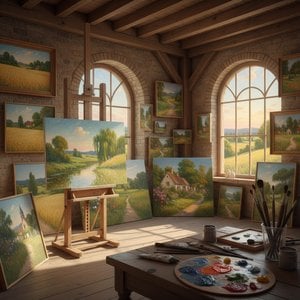
Discover the profound tranquility of rural art through an expert exploration of Impressionist landscapes. From pastoral scenes to textured oil masterpieces, learn how timeless nature-inspired artworks bring enduring elegance and serenity to sophisticated collectors.

Explore the ethereal beauty of Impressionist landscapes. Discover how masters like Monet captured fleeting light through color and texture, and learn to curate these timeless, luminous masterpieces for your home collection.


 미리보기
미리보기
 공유하기
공유하기 공유하기
공유하기
 상세 정보
상세 정보

 다운로드
다운로드
 유사 작품
유사 작품 X-레이
X-레이 슬라이드 쇼
 통계 정보
통계 정보

 더 보기
더 보기









 유리 옵션은 110cm 미만 크기에서만 선택 가능합니다.


