x


 Acrylic On CanvasWallArtBaroque French Painting
 1630
1630 131.0 x 104.0 cm
 국립미술관
국립미술관




























작품의 원본 비율을 유지하는 미리 설정된 크기 중에서 선택하세요.

특정 프레임이나 공간에 맞도록 직접 크기를 입력할 수 있습니다. 선택하신 크기가 원본 이미지의 비율과 일치하지 않는 경우, 작품을 자르거나 추가적인 손으로 그린 요소를 사용하여 그림을 확장합니다. 제작 시작 전 승인을 위해 디지털 목업을 보내드립니다.
화면 미리 보기는 실제 자르기 또는 확장을 반영하지 않습니다. 최종 구성은 목업을 통해서만 정확하게 확인하실 수 있습니다.
맞춤 크기 제작도 가능하지만, 원본 비율을 유지하기 위해 사전 정의된 목록에서 크기를 선택하시는 것을 권장합니다.

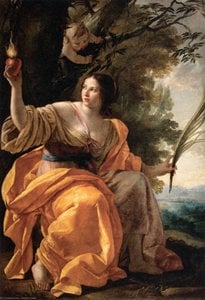
The Penitent Magdalen
복제본 크기
Simon Vouet’s “The Penitent Magdalen,” painted around 1630, is more than just a portrait; it's a profound meditation on faith, repentance, and the enduring power of sorrow. Executed during a pivotal moment in French art history – the transition from Mannerism to the burgeoning Baroque style – this work encapsulates Vouet’s innovative approach, blending Italian influences with a distinctly French sensibility. The painting immediately draws the viewer into a scene of quiet contemplation, dominated by the figure of Mary Magdalene, rendered with an almost sculptural quality that speaks to both her physical presence and her spiritual weight.
Vouet, having spent formative years in Rome absorbing the dramatic lighting and emotional intensity of Caravaggio’s work, brought this Italian dynamism back to France. However, he didn't simply replicate these techniques; instead, he skillfully adapted them to suit the tastes of his royal patrons. Notice how the subdued palette – dominated by rich reds, deep blues, and earthy browns – creates a sense of solemnity and introspection. The lighting is carefully controlled, highlighting Magdalene’s face and hands while casting her figure in shadow, reinforcing the theme of penance and hidden suffering.
The composition itself is laden with symbolic meaning. Magdalene's posture – head bowed, hand resting on a book – immediately evokes images of prayer and devotion. The open book, often interpreted as representing scripture, suggests her ongoing journey toward redemption. Crucially, the presence of two birds—one perched on the left shoulder, the other near the upper right corner—adds layers of interpretation. Birds are frequently associated with freedom, hope, and the soul’s ascent to heaven; their inclusion here hints at Magdalene's potential for spiritual liberation through her remorse and piety.
The jar of ointment, a recurring motif in depictions of Magdalene, symbolizes her past sins—specifically, her betrayal of Christ. However, it also represents a willingness to offer amends and demonstrate genuine repentance. The careful rendering of the ointment’s texture and the subtle play of light on its surface further emphasize this duality – beauty born from sorrow.
Vouet’s mastery lies in his ability to seamlessly blend Italian realism with French elegance. He employs a technique known as “clai-obscure,” or chiaroscuro, which dramatically contrasts light and shadow to create depth and volume. This is particularly evident in Magdalene's face – the delicate modeling of her features, the subtle shading around her eyes, all contribute to an incredibly lifelike portrayal. Unlike the stark contrasts of Caravaggio, Vouet’s use of light is more diffused, lending a sense of grace and refinement to the scene.
Furthermore, Vouet's attention to detail—the folds of Magdalene’s dress, the texture of her hair, even the subtle imperfections in her hands—demonstrates his meticulous approach. This commitment to realism was highly valued by the French court, who sought artists capable of producing works that were both aesthetically pleasing and historically accurate.
"The Penitent Magdalen" is not merely a depiction of a biblical figure; it’s an exploration of human emotion—the pain of regret, the yearning for forgiveness, and the possibility of spiritual renewal. Vouet masterfully captures Magdalene's inner turmoil, inviting viewers to contemplate their own struggles with faith and redemption. The painting’s enduring appeal lies in its ability to resonate across centuries, offering a timeless meditation on the complexities of the human condition.
Reproductions of this powerful work offer an exceptional opportunity to bring this evocative scene into any space. Its rich colors, dramatic lighting, and profound symbolism create a focal point that speaks volumes about faith, sorrow, and ultimately, hope.

시몽 부아는 프랑스 회화가 매너리즘에서 바로크 양식으로 전환하는 과정에서 결정적인 역할을 한 인물입니다. 화가였던 아버지 로랑과 예술을 추구했던 형 오뱅의 품 안에서 태어난 부아는 일찍부터 훈련을 받았으며, 이는 그의 미래 성공의 토대가 되었습니다. 그의 손자인 루도비코 도리니는 가문의 예술적 유산을 이어갔습니다.
이탈리아 체류 기간 동안 부아는 다채로운 영향들을 흡수했습니다. 그는 카라바조가 개척한 극적인 명암 대비 기법을 연구했고, 이탈리아 매너리즘의 요소들을 받아들였으며, 파올로 베로네세가 사용한 색상 팔레트와 di sotto in su(투시 원근법)를 세밀하게 분석했습니다. 또한 카라치, 구에르치노, 란프랑코, 그리고 귀도 레니의 작품들로부터 영감을 얻어 이 다양한 스타일들을 독특한 예술적 비전으로 종합해냈습니다.
시몽 부아의 유산은 이탈리아와 프랑스 예술을 잇는 핵심적인 다리 역할을 했다는 점에서 빛납니다. 그는 이탈리아 바로크의 역동성과 장엄함을 성공적으로 수입하여, 그것을 프랑스 궁정과 귀족들의 취향에 공명하는 양식으로 변모시켰습니다. 그의 영향력은 17세기 프랑스 회화 발달 과정에서 부인할 수 없으며, 오늘날까지도 미술사학자들에게 인정받고 있습니다.

1590 - 1649 , 프랑스
Explore the life & art of Simon Vouet, a pivotal French Baroque painter who introduced Italian styles to France. Discover his masterpieces and lasting influence on 17th-century art.

바로크 예술의 풍요로운 세계를 탐험하고, 현대 인테리어에 감동을 불어넣는 방법을 WahooArt에서 만나보세요. 카라바조, 렘브란트 등 거장들의 작품과 키아로스쿠로 기법 활용 노하우를 공개합니다.

Explore the dramatic world of Baroque art! Discover iconic artists like Caravaggio & Rubens, defining techniques, and its lasting impact on art history. Expert insights for collectors & enthusiasts at WahooArt.

화려함과 극적인 표현이 압권! 바로크 미술을 대표하는 10대 걸작의 숨겨진 이야기를 만나보세요. 베르니니, 루벤스 등 거장의 작품부터 바로크 색감, 예술적 기법까지 – WahooArt.com에서 명품 복제 & 인테리어 영감을 얻으세요! 지금 바로 컬렉션을 탐험해보세요.
Explore the profound elegance of Baroque Classicism. Discover how 17th-century masters synthesized dramatic emotion with classical order through the lens of the Counter-Reformation and the works of legends like Carlo Maratta and Andrea Sacchi.


최신 미술 뉴스, 특별 혜택 및 인테리어 아이디어를 가장 먼저 만나보세요.
프로젝트에 대해 알려주시면 저희 미술 전문가들이 맞춤형 아트 제안 3가지를 전달해 드립니다.
당신만을 위한 맞춤형 옵션 3가지를 무료로 추천해 드립니다!


 미리보기
미리보기
 프린트 구매
 공유하기
공유하기 공유하기
공유하기
 상세 정보
상세 정보

 다운로드
다운로드
 유사 작품
유사 작품 X-레이
X-레이 슬라이드 쇼
 더 보기
더 보기









 유리 옵션은 110cm 미만 크기에서만 선택 가능합니다.