Oil On CanvasWallArtBaroque
 1623
1623 241.0 x 171.0 cm
 갤러리아 나자날 드 아트 안티카
빠른 제작과 다양한 마감 옵션을 선택할 수 있는 박물관 수준의 지클레이 및 캔버스 프린트. ( 수작업 채색 복제본 주문하기 디지털 이미지 판매 채널로 전환)





























작품의 원본 비율을 그대로 유지하는 프리셋 사이즈 중에서 선택해 보세요.

특정 프레임이나 공간에 맞춰 직접 치수를 입력하실 수 있습니다. 선택하신 사이즈가 원본 이미지의 비율과 일치하지 않을 경우, 작품을 크롭(자르기)하거나 이미지를 대칭 또는 단색 채우기로 확장하여 제작합니다. 제작 시작 전, 최종 확인을 위해 디지털 목업이 전송됩니다.
화면상의 미리보기는 실제 크롭이나 확장 상태를 반영하지 않으므로, 최종 구도는 오직 목업을 통해서만 정확하게 확인하실 수 있습니다.
맞춤 사이즈 제작도 가능하지만, 원본 비율을 유지하기 위해서는 사전 정의된 목록에서 치수를 선택하시는 것을 권장합니다.

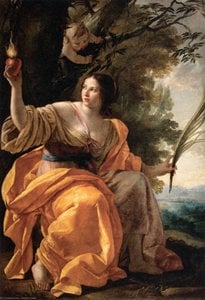
St Mary Magdalene
복제본 규격
Simon Vouet's "St Mary Magdalene," painted in 1623, is not merely a portrait; it’s an immersive experience—a window into the soul of a woman grappling with profound repentance and spiritual awakening. This arresting work, now meticulously reproduced as a museum-quality print, transcends its historical context to resonate powerfully with contemporary viewers. Vouet, a pivotal figure in bridging the gap between Mannerism and Baroque painting in France, masterfully employs dramatic chiaroscuro—the stark contrast between light and shadow—to draw our attention directly to Mary Magdalene’s face, an expression of both vulnerability and unwavering faith.
The painting's genesis lies within the vibrant artistic landscape of Rome during the early 17th century. Vouet, having spent formative years in Italy absorbing the techniques of masters like Guido Reni and Carracci, returned to France armed with a new vision—a Baroque sensibility characterized by emotional intensity, dynamic composition, and an almost theatrical use of light. “St Mary Magdalene” exemplifies this shift perfectly. It departs from the more static and idealized depictions prevalent in earlier portraiture, instead presenting a figure imbued with palpable emotion and psychological depth.
Beyond its aesthetic beauty, "St Mary Magdalene" is rich in symbolic meaning. The skull resting upon the rock at the base of the composition—a ubiquitous motif in Christian art—serves as a potent reminder of mortality and the transience of earthly existence. It’s not presented with morbid horror, however, but rather as a grounding element, anchoring Mary's spiritual journey within the realities of human experience. The Magdalene’s posture – head bowed, hand resting gently on her arm – speaks to introspection and humility, suggesting a deep engagement with her past and a willingness to confront her own imperfections.
The setting itself contributes significantly to the painting’s symbolic weight. The rugged, almost desolate landscape—a rocky expanse under a dramatic, cloud-streaked sky—mirrors Mary's internal state of turmoil and redemption. It’s a space of solitude and reflection, where she can confront her demons and seek solace in faith. The muted palette – dominated by earthy browns, deep reds, and subtle blues – further reinforces this sense of solemnity and introspection.
Vouet’s technical skill is immediately apparent in the meticulous detail with which he renders Mary Magdalene's features. Her face—characterized by delicate modeling, subtle shading, and a remarkable sensitivity to light—is both strikingly beautiful and profoundly expressive. The artist skillfully employs sfumato, a technique perfected by Leonardo da Vinci, to create soft transitions between tones, lending an ethereal quality to the figure’s appearance.
Furthermore, Vouet's mastery of composition is evident in the dynamic arrangement of elements within the painting. The diagonal lines created by Mary Magdalene’s posture and the placement of the skull draw the viewer’s eye into the scene, while the atmospheric perspective—the use of lighter tones to suggest distance—creates a sense of depth and spatial realism. The brushwork is remarkably smooth and refined, reflecting Vouet's meticulous approach to his craft.
"St Mary Magdalene" remains a powerful testament to the enduring appeal of Christian iconography and the transformative power of faith. Whether viewed as a historical masterpiece or a contemporary work of art, it continues to captivate audiences with its emotional intensity, symbolic richness, and technical brilliance. As a meticulously reproduced print, this artwork offers an accessible way to experience Vouet’s genius—a chance to contemplate themes of repentance, redemption, and the enduring search for spiritual meaning.

시몽 부아는 프랑스 회화가 매너리즘에서 바로크 양식으로 전환하는 과정에서 결정적인 역할을 한 인물입니다. 화가였던 아버지 로랑과 예술을 추구했던 형 오뱅의 품 안에서 태어난 부아는 일찍부터 훈련을 받았으며, 이는 그의 미래 성공의 토대가 되었습니다. 그의 손자인 루도비코 도리니는 가문의 예술적 유산을 이어갔습니다.
이탈리아 체류 기간 동안 부아는 다채로운 영향들을 흡수했습니다. 그는 카라바조가 개척한 극적인 명암 대비 기법을 연구했고, 이탈리아 매너리즘의 요소들을 받아들였으며, 파올로 베로네세가 사용한 색상 팔레트와 di sotto in su(투시 원근법)를 세밀하게 분석했습니다. 또한 카라치, 구에르치노, 란프랑코, 그리고 귀도 레니의 작품들로부터 영감을 얻어 이 다양한 스타일들을 독특한 예술적 비전으로 종합해냈습니다.
시몽 부아의 유산은 이탈리아와 프랑스 예술을 잇는 핵심적인 다리 역할을 했다는 점에서 빛납니다. 그는 이탈리아 바로크의 역동성과 장엄함을 성공적으로 수입하여, 그것을 프랑스 궁정과 귀족들의 취향에 공명하는 양식으로 변모시켰습니다. 그의 영향력은 17세기 프랑스 회화 발달 과정에서 부인할 수 없으며, 오늘날까지도 미술사학자들에게 인정받고 있습니다.

1590 - 1649 , 프랑스

Elevate your collection with the dramatic grandeur of Baroque oil masterpieces. WahooArt offers exquisite, hand-painted reproductions of the Great Masters, featuring authentic chiaroscuro and premium textures. Discover bespoke artistry and expert consultation for elite collectors worldwide.

 실제 크기로 보기
 보내기
보내기 공유하기
공유하기
 상세 보기
상세 보기 가이드 보기

 이미지 다운로드
 유사 작품 더 보기
 X-레이
X-레이 슬라이드 쇼 보기
 통계 정보
통계 정보 상세 보기
상세 보기









 유리 옵션은 110cm 미만 크기에서만 선택 가능합니다.