빠른 제작과 다양한 마감 옵션을 제공하는 박물관 품질의 지클레이 또는 캔버스 프린트. ( 손으로 그린 그림 구매 디지털 이미지로 전환)





























작품의 원본 비율을 유지하는 미리 설정된 크기 중에서 선택하세요.

특정 프레임이나 공간에 맞춰 직접 치수를 입력하실 수 있습니다. 선택하신 사이즈가 원본 이미지의 비율과 일치하지 않을 경우, 작품을 크롭(자르기)하거나 이미지를 대칭 또는 단색 채우기로 확장하여 제작합니다. 제작 시작 전, 최종 확인을 위해 디지털 목업이 전송됩니다.
화면상의 미리보기는 실제 크롭이나 확장 상태를 반영하지 않으므로, 최종 구도는 오직 목업을 통해서만 정확하게 확인하실 수 있습니다.
맞춤 사이즈 제작도 가능하지만, 원본 비율을 유지하기 위해서는 사전 정의된 목록에서 치수를 선택하시는 것을 권장합니다.

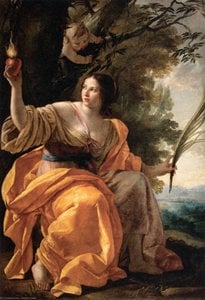
POLYMNIE, MUSE DE L'ELOQUENCE
복제본 크기
Within the hallowed halls of the Louvre resides a captivating portrait – *Polymnie, Muse of Eloquence* by Simon Vouet, a pivotal work that embodies the burgeoning spirit of the French Baroque. Painted in 1627, this oil-on-canvas masterpiece transcends mere representation; it’s an invitation into a world of intellectual pursuit, divine inspiration, and the very essence of eloquent speech. Vouet, having spent formative years immersed in the artistic fervor of Italy, masterfully translated the Italian Baroque style to France, establishing himself as the leading painter of his era.
The subject itself, Polymnie, holds a significant place within Greek mythology. She represents eloquence and persuasive speech – the power to articulate ideas with precision and beauty. Vouet’s depiction isn't simply a portrait; it’s an allegorical representation of her role as a guiding force for artists, poets, and anyone seeking mastery of language. The composition is meticulously balanced, adhering to the classical principles of symmetry and proportion that defined much of Italian art, yet infused with the dynamism and emotional intensity characteristic of the Baroque.
Vouet’s technical prowess is immediately apparent. He employs a masterful blend of *sfumato*, a technique popularized by Leonardo da Vinci, to create soft transitions between colors and forms, lending an ethereal quality to the scene. The palette is dominated by cool blues and whites – reminiscent of classical marble and evoking a sense of serenity and wisdom – punctuated by warm flesh tones that draw attention to Polymnie’s face and figure. Notice how he uses light not just to illuminate, but to sculpt the form, creating a palpable sense of volume and depth.
The artist's brushwork is remarkably subtle, contributing to the painting’s polished appearance. He skillfully layered colors and employed glazing techniques to achieve luminous effects, particularly in the drapery which flows with an almost liquid grace. The architectural backdrop, rendered in muted browns and golds, provides a stately setting for Polymnie, reinforcing her status as a divine muse. The use of linear perspective creates a convincing illusion of depth, drawing the viewer into the scene.
Beyond the immediate beauty of the portrait lies a rich tapestry of symbolism. The two cherubic figures flanking Polymnie are not merely decorative; they represent divine favor and perhaps even creative assistance – embodiments of inspiration itself. The scroll offered by one cherub symbolizes the written word, while the musician’s instrument represents the power of music to convey emotion and ideas. The lion statue at the base of the pedestal is a potent symbol of strength, guardianship, and wisdom—qualities closely associated with eloquence.
Furthermore, Polymnie's pose – seated on a throne-like structure adorned with classical motifs – speaks volumes about her elevated status. The arrangement mirrors the iconography of the *Iconologia* by Cesare Ripa, a widely influential treatise on visual symbolism that informed much of the art produced during this period. Vouet’s painting is thus deeply rooted in a tradition of allegorical representation.
*Polymnie, Muse of Eloquence* isn't simply a beautiful painting; it’s an invitation to contemplate the power of language, the pursuit of knowledge, and the role of art in shaping human understanding. The serene expression on Polymnie’s face conveys both wisdom and grace, inviting viewers to engage with her as a symbol of intellectual and artistic excellence. Vouet's work continues to resonate today, demonstrating his mastery of technique, his profound understanding of symbolism, and his ability to capture the essence of human experience.
Reproductions of this iconic artwork offer an exceptional opportunity to bring its beauty and depth into any setting, serving as a constant reminder of the enduring power of eloquence and artistic inspiration.

시몽 부아는 프랑스 회화가 매너리즘에서 바로크 양식으로 전환하는 과정에서 결정적인 역할을 한 인물입니다. 화가였던 아버지 로랑과 예술을 추구했던 형 오뱅의 품 안에서 태어난 부아는 일찍부터 훈련을 받았으며, 이는 그의 미래 성공의 토대가 되었습니다. 그의 손자인 루도비코 도리니는 가문의 예술적 유산을 이어갔습니다.
이탈리아 체류 기간 동안 부아는 다채로운 영향들을 흡수했습니다. 그는 카라바조가 개척한 극적인 명암 대비 기법을 연구했고, 이탈리아 매너리즘의 요소들을 받아들였으며, 파올로 베로네세가 사용한 색상 팔레트와 di sotto in su(투시 원근법)를 세밀하게 분석했습니다. 또한 카라치, 구에르치노, 란프랑코, 그리고 귀도 레니의 작품들로부터 영감을 얻어 이 다양한 스타일들을 독특한 예술적 비전으로 종합해냈습니다.
시몽 부아의 유산은 이탈리아와 프랑스 예술을 잇는 핵심적인 다리 역할을 했다는 점에서 빛납니다. 그는 이탈리아 바로크의 역동성과 장엄함을 성공적으로 수입하여, 그것을 프랑스 궁정과 귀족들의 취향에 공명하는 양식으로 변모시켰습니다. 그의 영향력은 17세기 프랑스 회화 발달 과정에서 부인할 수 없으며, 오늘날까지도 미술사학자들에게 인정받고 있습니다.

1590 - 1649 , 프랑스

Embark on a sophisticated journey through the eternal allure of mythological art. Discover how master painters breathe life into ancient legends, from Greek deities to Baroque masterpieces, and learn to curate these timeless narratives within your own exquisite art collection.


 미리보기
미리보기
 공유하기
공유하기 공유하기
공유하기
 상세 정보
상세 정보

 다운로드
다운로드
 유사 작품
유사 작품 X-레이
X-레이 슬라이드 쇼
 통계 정보
통계 정보

 더 보기
더 보기









 유리 옵션은 110cm 미만 크기에서만 선택 가능합니다.