원하는 크기와 액자로 주문 제작되는, 작가들이 직접 캔버스에 손으로 그린 유화 작품입니다. ( 프린트 판매로 전환 디지털 이미지로 전환)





























작품의 원본 비율을 유지하는 미리 설정된 크기 중에서 선택하세요.

특정 프레임이나 공간에 맞도록 직접 크기를 입력할 수 있습니다. 선택하신 크기가 원본 이미지의 비율과 일치하지 않는 경우, 작품을 자르거나 추가적인 손으로 그린 요소를 사용하여 그림을 확장합니다. 제작 시작 전 승인을 위해 디지털 목업을 보내드립니다.
화면 미리 보기는 실제 자르기 또는 확장을 반영하지 않습니다. 최종 구성은 목업을 통해서만 정확하게 확인하실 수 있습니다.
맞춤 크기 제작도 가능하지만, 원본 비율을 유지하기 위해 사전 정의된 목록에서 크기를 선택하시는 것을 권장합니다.

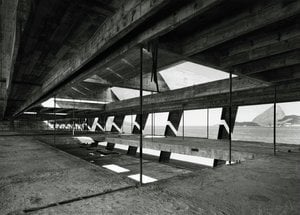
Balfron Tower playground: the slide
복제본 크기

Born in Melbourne, Australia, in 1970, Simon Terrill’s artistic journey is a fascinating exploration of human behavior and the spaces we inhabit. Initially drawn to sculpture and fine art at the Victorian College of the Arts, his trajectory shifted dramatically towards photography and film, driven by a profound interest in understanding the dynamics of urban environments and the collective experience within them. Terrill isn't simply documenting landscapes; he’s dissecting the energy of crowds, revealing the hidden narratives woven into their movements and interactions – a pursuit that has cemented his reputation as a unique voice in contemporary art.
His early work demonstrated an acute awareness of spatial relationships and the impact of light. The 2008 Samstag Museum scholarship project, *Swarm*, provides a crucial insight into this initial focus. Captured during the Big Day Out music festival in Sydney, this long-exposure photograph isn’t a straightforward depiction of a concert; it's a meticulously staged observation of a crowd as a living organism. Terrill deliberately utilized a light tower to create a painterly blur amongst the moving figures, while the static elements – discarded objects and architectural details – retain sharp clarity. This technique highlights the inherent paradox of urban spaces: simultaneously chaotic and structured, anonymous yet imbued with individual stories.
Terrill’s approach extends beyond mere observation; he actively shapes his subjects' experience. His ongoing *Crowd Theory* project is a testament to this deliberate intervention. These large-scale events are carefully orchestrated performances designed to capture the essence of crowd behavior, transforming ordinary public spaces into stages for social interaction. The resulting photographs and films aren’t simply records of these events; they’re meticulously constructed narratives that invite viewers to contemplate the complex dynamics at play within a collective experience. Influences from artists like Brueghel—particularly his depictions of crowds—and thinkers such as Baudelaire and Freud, who explored the psychology of the masses, are evident in this layered approach.
Terrill’s fascination with crowd behavior stems from a deep-seated interest in emergent theory – the idea that complex patterns arise spontaneously from simple interactions. He sees the crowd not as a collection of individuals but as a self-organizing system, capable of generating its own rules and behaviors. This perspective is powerfully illustrated in his work *Footscray Station*, where heightened lighting and theatrical staging draw attention to the constructed nature of the image, mirroring Freud’s observation that crowd behavior often operates independently of conscious thought.
His exploration of this concept has evolved significantly over time. Recent projects, such as those undertaken at Somerset House Studios and documented in his 2019 exhibition *Crowd Theory*, delve into a more nuanced understanding of the crowd as an “onto-epistemological object” – a dynamic entity that defies simple categorization. He’s moved beyond simply documenting crowds to actively investigating their potential, exploring how they can function as sites of creativity, resistance, and even transformation. This shift reflects a growing awareness of the crowd's capacity for both chaos and order, mirroring his own artistic practice which skillfully balances these opposing forces.
Terrill’s relocation to London in 2013 marked a significant turning point in his career. Establishing himself as a Lecturer in Critical and Historical Studies: Photography at London South Bank University, he has cultivated a vibrant artistic practice while simultaneously engaging with the academic world. His time at Somerset House Studios, beginning in 2017, provided him with invaluable resources and collaborative opportunities, further solidifying his position within the contemporary art scene.
His studio work continues to be characterized by meticulous planning and a willingness to experiment with new technologies. The Bow Cross Artist Residency in 2010-2011 exemplified this approach, allowing him to develop a commissioned artwork directly engaging with the local community of Tower Hamlets. This collaborative process underscored his commitment to creating art that is both visually compelling and socially relevant. His current work explores the concept of crowd-as-process, seeking new languages for describing emergent forms through a methodology embracing chance, disorder, and anti-framing – reflecting a continuous evolution in his artistic vision.
Simon Terrill’s career has been marked by consistent recognition from both the art world and academic institutions. He was awarded the prestigious Samstag International Visual Arts Scholarship in 2008, providing him with invaluable support for his graduate studies at the Slade School of Fine Art. Numerous grants from organizations such as Australia Council and Arts Council England have further fueled his creative endeavors. His work has been exhibited internationally, including prominent venues like the National Portrait Gallery London, Vitra Design Museum, and Royal Academy.
Beyond individual accolades, Terrill’s influence extends to a broader understanding of how we perceive and interpret urban spaces. His meticulous documentation of crowds—often rendered with a striking blend of realism and theatricality—challenges conventional notions of the city as merely a collection of buildings and streets. Instead, he reveals it as a dynamic, ever-changing landscape shaped by the collective experiences of its inhabitants. As an artist who consistently pushes the boundaries of photographic practice, Simon Terrill’s legacy lies in his ability to capture the elusive energy of the crowd and transform it into compelling works of art.

1970 - , Australia

Explore the profound emotional depth of documentary photography art. Discover how collectors curate powerful historical narratives through museum-quality black and white prints and fine art reproductions that preserve humanity's most resilient moments.

Explore the profound evolution of documentary photography through a cultural lens. From early social realism to modern visual narratives, discover how photographers have captured history, labor, and the human condition to redefine fine art.
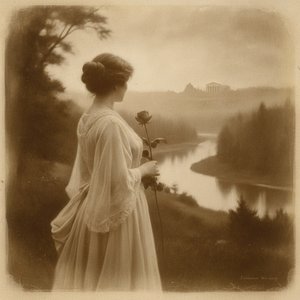
Explore the profound history of Pictorialism, the revolutionary movement that elevated photography to a fine art. Uncover how visionaries used painterly techniques and soft focus to transcend mere documentation, imbuing the lens with the emotional depth of classical masterpieces.

Explore the profound artistry of black and white photography. From historical mastery to the interplay of light and shadow, discover how monochrome captures timeless emotion and form through a sophisticated lens of art history.

Explore the profound evolution of contemporary photography through a connoisseur's lens. From monochrome mastery to digital innovation, discover how modern photographic works shape fine art collections and define our cultural legacy.


 미리보기
미리보기
 공유하기
공유하기 공유하기
공유하기
 상세 정보
상세 정보

 다운로드
다운로드
 유사 작품
유사 작품 X-레이
X-레이 슬라이드 쇼
 통계 정보
통계 정보


 더 보기
더 보기









 유리 옵션은 110cm 미만 크기에서만 선택 가능합니다.