

 Acrylic On CanvasWallArtCapitalist Realism
 1968Contemporary
 60.0 x 50.0 cm
 세랄베스 재단
이 페이지에 표시된 작품은 저작권법의 보호를 받으며, 이에 따라 동일한 복제품을 제작하거나 판매하는 것은 법으로 금지되어 있습니다. 이러한 권리 보호는 다음과 같은 국제 협약에 따라 시행됩니다. 베른 협약 또한 다음에서 명시하는 법률을 포함한 국내법에 의해 보호됩니다. 미국 저작권법 제17조.
이 방식은 저작권 보호를 받는 예술 작품을 복제하거나 그대로 재현하는 것이 아니기에 저작권 규정을 완벽히 준수합니다. 대신, 이는 창의적인 재해석의 과정을 거칩니다. 즉, 원작에서 영감을 받되 원작과 동일하지 않은 새로운 회화 작품을 의미합니다.
빠른 제작과 다양한 마감 옵션을 선택할 수 있는 박물관 수준의 지클레이 및 캔버스 프린트. ( 수작업 채색 복제본 주문하기 디지털 이미지 판매 채널로 전환)





























작품의 원본 비율을 그대로 유지하는 프리셋 사이즈 중에서 선택해 보세요.

특정 프레임이나 공간에 맞춰 직접 치수를 입력하실 수 있습니다. 선택하신 사이즈가 원본 이미지의 비율과 일치하지 않을 경우, 작품을 크롭(자르기)하거나 이미지를 대칭 또는 단색 채우기로 확장하여 제작합니다. 제작 시작 전, 최종 확인을 위해 디지털 목업이 전송됩니다.
화면상의 미리보기는 실제 크롭이나 확장 상태를 반영하지 않으므로, 최종 구도는 오직 목업을 통해서만 정확하게 확인하실 수 있습니다.
맞춤 사이즈 제작도 가능하지만, 원본 비율을 유지하기 위해서는 사전 정의된 목록에서 치수를 선택하시는 것을 권장합니다.
Sem título
복제본 규격
Sigmar Polke's "Sem título" (1968) isn’t merely a photograph; it’s a carefully constructed meditation on observation, displacement, and the unsettling beauty of everyday objects. This seminal work, housed within a stark grid of black-and-white frames, immediately draws the viewer into a world both familiar and profoundly strange. The arrangement—nine individual photographs presented as a unified whole—evokes a sense of systematic collection, almost like a meticulously documented survey of the mundane. Yet, there’s no discernible narrative thread connecting these seemingly random images; instead, we're confronted with a series of snapshots capturing fragments of life – a woman standing poised, a figure leaping into space, furniture bathed in quiet light, and decorative items arranged with an understated elegance.
The photograph’s power lies not in grand pronouncements or overt symbolism, but in its subtle details. The lighting is naturalistic, lending each image a sense of immediacy, while the photographic medium itself—black and white—reinforces a timeless quality. Polke's choice to present these images within a rigid grid structure is particularly significant. It’s a deliberate act of control, imposing order onto what might otherwise feel chaotic or random. This formal constraint mirrors the artist’s own experience of displacement – having fled Poland as a child and later seeking refuge in Germany – highlighting a lifelong preoccupation with navigating between different worlds and grappling with the instability of identity.
“Sem título” is a cornerstone of Polke’s movement, “Kapitalistischer Realismus,” which emerged in the early 1970s alongside Gerhard Richter. This artistic approach deliberately rejected the idealized aesthetics of both Socialist Realism and Western consumer culture, instead embracing a style that mimicked advertising imagery – the slick, mass-produced visuals that dominate contemporary life. Polke’s work within this movement isn't about critique in the traditional sense; rather, it’s an exploration of how these images shape our perceptions and influence our understanding of reality. The grid format itself can be interpreted as a visual representation of this pervasive advertising language – a structured system designed to capture and control attention.
Interestingly, Polke's artistic journey began with an apprenticeship in stained-glass work, a craft that demanded precision, technical skill, and a deep understanding of light and color. This early training profoundly shaped his approach to photography, influencing his meticulous composition and his deliberate manipulation of the photographic process. The decision to use black and white further emphasizes this connection, stripping away the distractions of color and focusing on the essential elements of form and texture.
Beyond its formal arrangement, “Sem título” reveals Polke’s masterful manipulation of photographic techniques. The photographs themselves are not simply reproductions of reality; they're carefully constructed images that have undergone significant alteration in the darkroom. Polke employed a range of experimental methods – staining negatives with chemicals, creasing and folding wet paper, and manipulating contrast – to create layered textures and ambiguous forms. This process transforms the photograph into something akin to an abstract painting, blurring the boundaries between photography and other artistic mediums.
The use of a Rollei camera, a popular choice among photographers in the 1960s, speaks to Polke’s commitment to capturing fleeting moments and embracing the inherent imperfections of the photographic process. He wasn't striving for photographic realism; instead, he was using photography as a tool to explore subjective perception and create images that resonate with emotional depth. The resulting photographs are not simply representations of objects but rather evocative glimpses into a world filtered through the artist’s unique sensibility.
“Sem título” remains a powerfully resonant work, offering a poignant reflection on themes of displacement, observation, and the complexities of modern life. Its stark simplicity belies a profound depth of meaning, inviting viewers to contemplate their own relationship with images, memory, and the ever-shifting landscape of experience. Polke’s meticulous attention to detail, combined with his willingness to experiment with photographic techniques, elevates this work beyond a mere snapshot – it's a testament to the transformative power of art.
"Sem título"은 Capitalist Realism 운동 내에서 Reflective 정서를 담아내고 있습니다.
지그마르 폴케의 "Sem título"은(는) Iconic 수준으로 분류되며, Capitalist Realism 사조에 속합니다.
지그마르 폴케의 "Sem título"의 작품 형태(Portrait)와 추천 공간(Living Room)은 이 작품에 기록된 두 가지 배치 정보입니다.
지그마르 폴케의 "Sem título" 작품에 추천하는 공간은 Living Room입니다. 물론 이 제안은 고객님의 인테리어에 맞춰 자유롭게 조정하실 수 있습니다.
"Sem título"은(는) 지그마르 폴케의 Conceptual Photography를 잘 보여주는 작품입니다.
지그마르 폴케의 "Sem título"은(는) 원작 기준 60 x 50 cm 크기의 Portrait 구성입니다.
지그마르 폴케의 "Sem título"은(는) Strong Color Unity 색채 조화를 보여줍니다.
지그마르 폴케의 "Sem título"에 대한 가이드 페이지를 이용하실 수 있습니다. 이 페이지는 학생들과 수업용으로 제작된, 인쇄 가능한 작품 정보 시트를 제공합니다.


1941 - 2010 , 폴란드
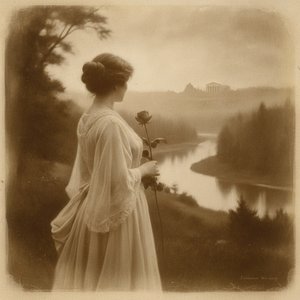
Explore the profound history of Pictorialism, the revolutionary movement that elevated photography to a fine art. Uncover how visionaries used painterly techniques and soft focus to transcend mere documentation, imbuing the lens with the emotional depth of classical masterpieces.

Explore the profound emotional depth of documentary photography art. Discover how collectors curate powerful historical narratives through museum-quality black and white prints and fine art reproductions that preserve humanity's most resilient moments.

Explore the profound evolution of documentary photography through a cultural lens. From early social realism to modern visual narratives, discover how photographers have captured history, labor, and the human condition to redefine fine art.

Explore the profound evolution of contemporary photography through a connoisseur's lens. From monochrome mastery to digital innovation, discover how modern photographic works shape fine art collections and define our cultural legacy.

Explore the profound artistry of black and white photography. From historical mastery to the interplay of light and shadow, discover how monochrome captures timeless emotion and form through a sophisticated lens of art history.

 실제 크기로 보기
 보내기
보내기 공유하기
공유하기
 상세 보기
상세 보기 가이드 보기

 이미지 다운로드
 유사 작품 더 보기
 X-레이
X-레이 슬라이드 쇼 보기
 통계 정보
통계 정보 상세 보기
상세 보기









 유리 옵션은 110cm 미만 크기에서만 선택 가능합니다.


