
원하는 크기와 액자로 주문 제작되는, 작가들이 직접 캔버스에 손으로 그린 유화 작품입니다. ( 프린트 판매로 전환 디지털 이미지로 전환)





























작품의 원본 비율을 유지하는 미리 설정된 크기 중에서 선택하세요.

특정 프레임이나 공간에 맞도록 직접 크기를 입력할 수 있습니다. 선택하신 크기가 원본 이미지의 비율과 일치하지 않는 경우, 작품을 자르거나 추가적인 손으로 그린 요소를 사용하여 그림을 확장합니다. 제작 시작 전 승인을 위해 디지털 목업을 보내드립니다.
화면 미리 보기는 실제 자르기 또는 확장을 반영하지 않습니다. 최종 구성은 목업을 통해서만 정확하게 확인하실 수 있습니다.
맞춤 크기 제작도 가능하지만, 원본 비율을 유지하기 위해 사전 정의된 목록에서 크기를 선택하시는 것을 권장합니다.

Pattern design SB 495
복제본 크기
The world of mid-century design often celebrates bold geometric forms and stark modernist aesthetics, yet within this landscape lies a quietly remarkable artist – Sheila Catherine Bownas. For decades, her extraordinary talent remained largely obscured, a hidden gem unearthed only recently through a dedicated archive and the insightful work of Leeds Museums & Galleries. Bownas’s legacy isn't one of revolutionary upheaval, but rather a subtle yet profound contribution to the decorative arts, characterized by an exquisite balance of botanical observation, playful pattern design, and a deep understanding of the evolving tastes of her era.
Born in Linton, a picturesque village nestled within the Yorkshire Dales in 1925, Bownas’s artistic journey began with a formal education at Skipton Art School and culminated in a prestigious scholarship to the Slade School of Fine Art in London. This formative period instilled in her a rigorous approach to observation and a keen eye for detail – qualities that would later inform her meticulous botanical illustrations and her captivating textile designs. Her early exposure to the vibrant artistic currents of post-war Britain undoubtedly shaped her aesthetic sensibilities, fostering a desire to capture the optimism and burgeoning sense of possibility that permeated the nation.
Bownas's work is immediately recognizable by its lush, almost painterly quality. Her patterns aren’t simply printed onto fabric; they are hand-painted with a delicate precision that imbues each design with a sense of life and movement. The core of her style revolves around an intimate connection with the natural world, particularly flowers and foliage. However, she didn't merely replicate botanical illustrations; instead, she transformed them into dynamic, decorative motifs – sprigs of heather intertwined with stylized leaves, delicate blossoms bursting from geometric backgrounds, and intricate arrangements that seemed to breathe on the surface of the fabric.
A key element of Bownas’s design philosophy was her ability to adapt her style to suit the prevailing trends of the time. Early designs, influenced by the pioneering work of Lucienne Day at the Festival of Britain in 1951, embraced bold abstract shapes and geometric compositions. Later works, reflecting a shift towards more traditional sensibilities, featured familiar floral motifs rendered with a contemporary flair – soft colors, subtle textures, and an emphasis on creating a sense of warmth and comfort. The Leeds Museums & Galleries collection showcases this remarkable versatility, offering a compelling glimpse into the evolution of Bownas’s artistic vision.
To understand Bownas's work fully, it’s crucial to consider the historical context in which she created her designs. The 1950s and 60s were a period of significant social and economic change in Britain – a time of post-war reconstruction, burgeoning consumerism, and a growing desire for domestic comfort. Bownas's patterns resonated deeply with this cultural shift, providing stylish and affordable solutions for decorating homes and furnishing interiors. Her designs weren’t just aesthetically pleasing; they were imbued with a sense of hope and optimism – reflecting the nation’s renewed confidence in the future.
Furthermore, Bownas's work speaks to the often-overlooked role of women in the design industry during this period. Despite her considerable talent, she faced significant challenges securing recognition for her work, largely due to prevailing gender biases within the commercial world. The fact that her designs were frequently issued under the names of other manufacturers highlights the systemic inequalities that shaped her career – a poignant reminder of the hidden histories and untold stories embedded within the fabric of design history.
Sheila Catherine Bownas's work is more than just decorative patterns; it’s a testament to her artistic skill, her deep connection with nature, and her ability to capture the spirit of an era. Her designs continue to resonate today, offering a timeless blend of beauty, elegance, and understated sophistication. The rediscovery of her archive represents not only a celebration of her remarkable talent but also a vital contribution to our understanding of mid-century design – reminding us that true artistry often lies hidden beneath the surface.


1925 - 2007 , 영국

Embark on a sophisticated journey through the world of folk art. Our expert guide offers connoisseurs deep insights into discovering, identifying, and collecting meaningful cultural masterpieces that preserve the soul of global traditions.

Embark on a sophisticated journey through the tactile realm of textile art. Unveil the historical evolution from utilitarian craft to museum-grade masterpieces, exploring the intricate textures and legendary artists that redefine the boundaries of fine art.
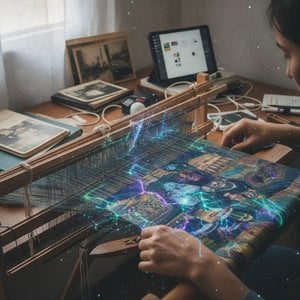
Elevate your home with WahooArt's bespoke AI-textured art. Transform cherished photos into hand-painted textile masterpieces through a seamless fusion of cutting-edge technology and classical craftsmanship. Discover timeless, luxury heirlooms designed to preserve your personal legacy.

Explore the profound impact of Constructivism on modern art. Discover how geometric abstraction and industrial aesthetics revolutionized design, from avant-garde textiles to architectural mastery, curated for the discerning art collector seeking depth and historical significance.


 미리보기
미리보기
 공유하기
공유하기 공유하기
공유하기
 상세 정보
상세 정보

 다운로드
다운로드
 유사 작품
유사 작품 X-레이
X-레이 슬라이드 쇼
 통계 정보
통계 정보


 더 보기
더 보기









 유리 옵션은 110cm 미만 크기에서만 선택 가능합니다.


