
무료 아트 컨설팅

x
작품 구매하기 작품 구매하기이미지 구매하기 이미지 구매하기 공유하기공유하기
상세 정보상세 정보 즐겨찾기에 추가 즐겨찾기에 추가 다운로드다운로드 유사 작품유사 작품 X-레이X-레이 슬라이드 쇼슬라이드 쇼

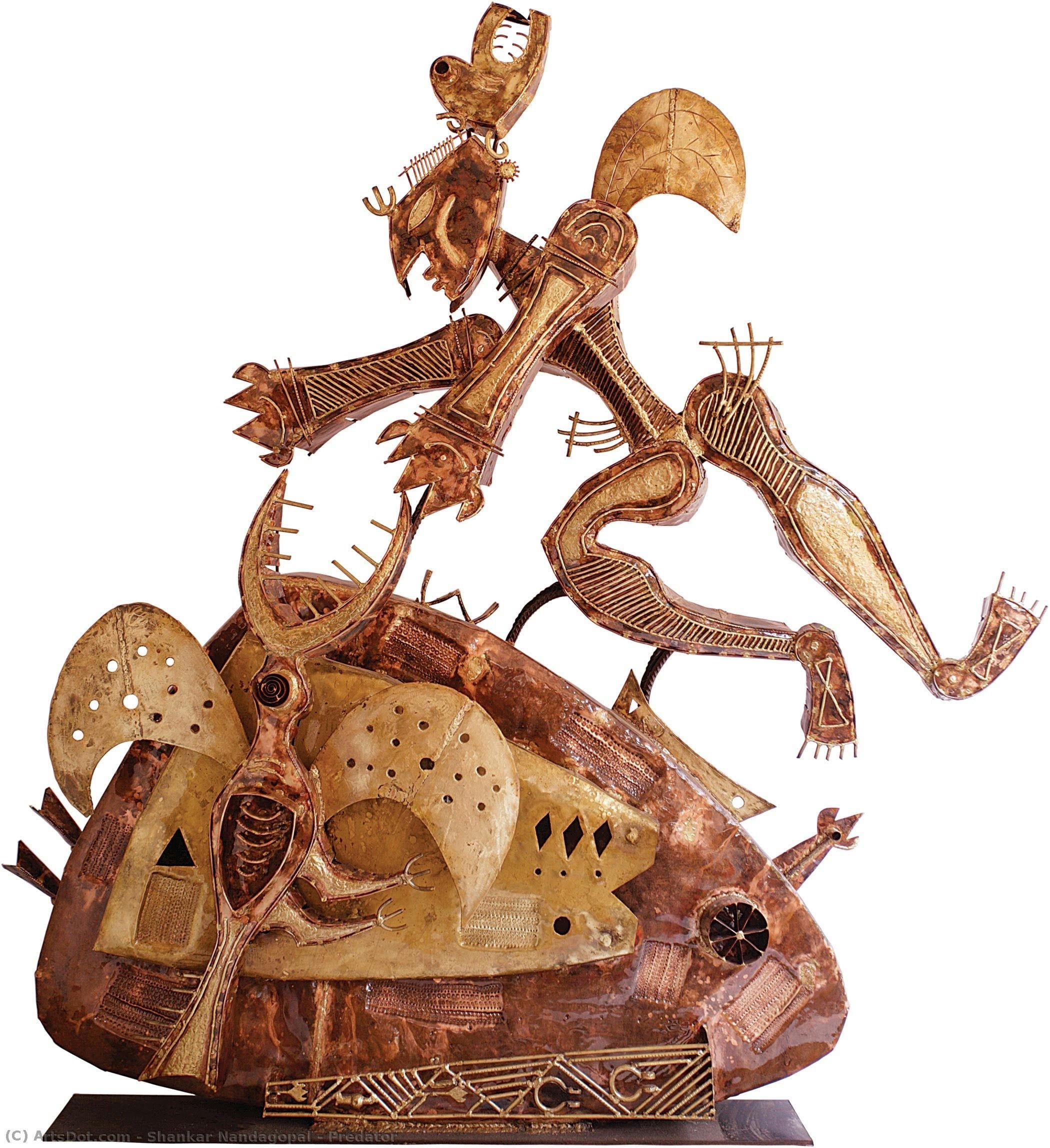
Predator

Shankar Nandagopal (1946-2017) was a leading Indian sculptor & painter of the Madras Art Movement, known for his innovative metal sculptures exploring form and space. Son of K.C.S. Paniker, recipient of Lalit Kala Akademi & Jindal awards.

지클레 / 아트 프린트

빠른 제작과 다양한 마감 옵션을 제공하는 박물관 품질의 지클레이 또는 캔버스 프린트.

Standard
custom
CM
INCH

작품의 원본 비율을 유지하는 미리 설정된 크기 중에서 선택하세요.

가로 너비
세로 길이

특정 프레임이나 공간에 맞춰 직접 치수를 입력하실 수 있습니다. 선택하신 사이즈가 원본 이미지의 비율과 일치하지 않을 경우, 작품을 크롭(자르기)하거나 이미지를 대칭 또는 단색 채우기로 확장하여 제작합니다. 제작 시작 전, 최종 확인을 위해 디지털 목업이 전송됩니다.
화면상의 미리보기는 실제 크롭이나 확장 상태를 반영하지 않으므로, 최종 구도는 오직 목업을 통해서만 정확하게 확인하실 수 있습니다.
맞춤 사이즈 제작도 가능하지만, 원본 비율을 유지하기 위해서는 사전 정의된 목록에서 치수를 선택하시는 것을 권장합니다.

전 세계 배송()은 일반적인 4~5주의 소요 기간 대신 2주 이내에 완료됩니다. (6 7월)

why_choose_icon
전 세계 무료 특급 배송
why_choose_icon
프리미엄 린넨 캔버스
why_choose_icon
전체 배송 보험 보장
why_choose_icon
관세 환불 보장
why_choose_icon
실제 색상 일치 보장
why_choose_icon
60일 이내 반품 정책 (제조 결함 시)
why_choose_icon
100% 환불 보장
why_choose_icon
다량 구매 할인 혜택

총 합계 금액

-

reproduction

Predator

지클레 / 아트 프린트

복제본 크기

-

최종 결제 금액

-

작품 상세 설명

Nandagopal belongs to the contemporary sculpture movement in Madras. His works are frontal in nature and linear which marks the characteristics of the Madras Metaphor. The medium is welded copper and brass and depicts Krishna vanquishing Bakasura the legendary evil bird.

유사한 작품들


작가 약력

Shankar Nandagopal: A Pioneer of Metal Sculpture and the Madras Art Movement

Shankar Nandagopal (1946 – 14 April 2017) was an Indian sculptor and painter, recognized as a pivotal figure in the Madras Art Movement—a movement that fundamentally reshaped modern art landscapes in South India. Born in Bengaluru, Karnataka, to K. C. S. Paniker, the visionary founder of Cholamandal Artists’ Village, Nandagopal's artistic lineage instilled within him an unwavering dedication to experimentation and innovation. This formative influence profoundly shaped his career trajectory, culminating in two prestigious Lalit Kala Akademi Awards—a testament to his exceptional talent and contribution to Indian art.

Early Life and Artistic Foundations

Nandagopal’s upbringing amidst the vibrant Cholamandal Artists' Village provided him with an unparalleled environment for artistic development. His father, K. C. S. Paniker, established Cholamandal as a haven for artists seeking refuge from conventional academic pressures, fostering a spirit of collaborative creativity and challenging established artistic norms. This ethos permeated Nandagopal’s own approach to art, encouraging him to push boundaries and explore unconventional materials—particularly metal—as mediums for sculptural expression. The early exposure to Paniker's pioneering vision undoubtedly cemented Nandagopal’s commitment to forging his own distinctive artistic path.

The Madras Art Movement: Influences and Aesthetic Principles

Nandagopal’s artistic sensibilities were inextricably linked to the Madras Art Movement, which emerged in the mid-1950s as a reaction against Western formalism. Spearheaded by Paniker himself, this movement championed modernist ideals—characterized by abstraction, geometric forms, and a deliberate rejection of representational imagery—while simultaneously drawing inspiration from Indian folk traditions and Buddhist iconography. Artists within the Madras Art Movement sought to synthesize Eastern spirituality with Western artistic techniques, resulting in artworks that conveyed profound emotional depth alongside intellectual rigor. Nandagopal’s sculptures embody these core principles, utilizing metal as a canvas for exploring spatial relationships and conveying evocative narratives.

Technique and Artistic Style

Nandagopal's mastery of metal sculpture distinguished him from many contemporaries. He skillfully manipulated steel and other metals—often incorporating intricate textures and surface treatments—to create monumental pieces that commanded attention and invited contemplation. His approach mirrored the broader aesthetic trends of the Madras Art Movement, prioritizing form and space over literal depiction. Like Paniker’s earlier paintings, Nandagopal's sculptures aimed to evoke a sense of grandeur and spiritual resonance, reflecting the movement’s ambition to elevate art beyond mere visual pleasure into a vehicle for conveying philosophical ideas. The resulting artworks are marked by their sculptural presence and textural richness—a legacy of his formative artistic experiences.

Notable Achievements and Legacy

Nandagopal received considerable acclaim throughout his career, notably earning the Jindal Stainless Steel Award for Sculpture in 2002—a recognition that underscored his unwavering dedication to pushing artistic boundaries. His sculptures have been exhibited internationally, securing a prominent place within the canon of contemporary Indian art. More importantly, Nandagopal’s work serves as an enduring symbol of the Madras Art Movement's transformative impact on South Indian visual culture. He remains remembered not merely as a sculptor but as a custodian of Paniker’s artistic vision—a figure who championed innovation and upheld the movement’s commitment to exploring the intersection of tradition and modernity.
  • Lalit Kala Akademi Award (Two Recipients)
  • Jindal Stainless Steel Award for Sculpture
shankar nandagopal

shankar nandagopal

1946 - 2017 , India

주요 정보

  • Artistic Movement Or Style: Madras Art Movement
  • Artists Or Movements Influenced By This Artist: ['Space Painting']
  • Artists Who Influenced This Artist: ['K.C.S. Paniker']
  • Date Of Birth: 1946
  • Date Of Death: 2017
  • Full Name: Shankar Nandagopal
  • Nationality: Indian
  • Notable Artworks:
    • Predator
    • Landscape
  • Place Of Birth: Bengaluru, India





































