
x































작품의 원본 비율을 유지하는 미리 설정된 크기 중에서 선택하세요.

특정 프레임이나 공간에 맞도록 직접 크기를 입력할 수 있습니다. 선택하신 크기가 원본 이미지의 비율과 일치하지 않는 경우, 작품을 자르거나 추가적인 손으로 그린 요소를 사용하여 그림을 확장합니다. 제작 시작 전 승인을 위해 디지털 목업을 보내드립니다.
화면 미리 보기는 실제 자르기 또는 확장을 반영하지 않습니다. 최종 구성은 목업을 통해서만 정확하게 확인하실 수 있습니다.
맞춤 크기 제작도 가능하지만, 원본 비율을 유지하기 위해 사전 정의된 목록에서 크기를 선택하시는 것을 권장합니다.

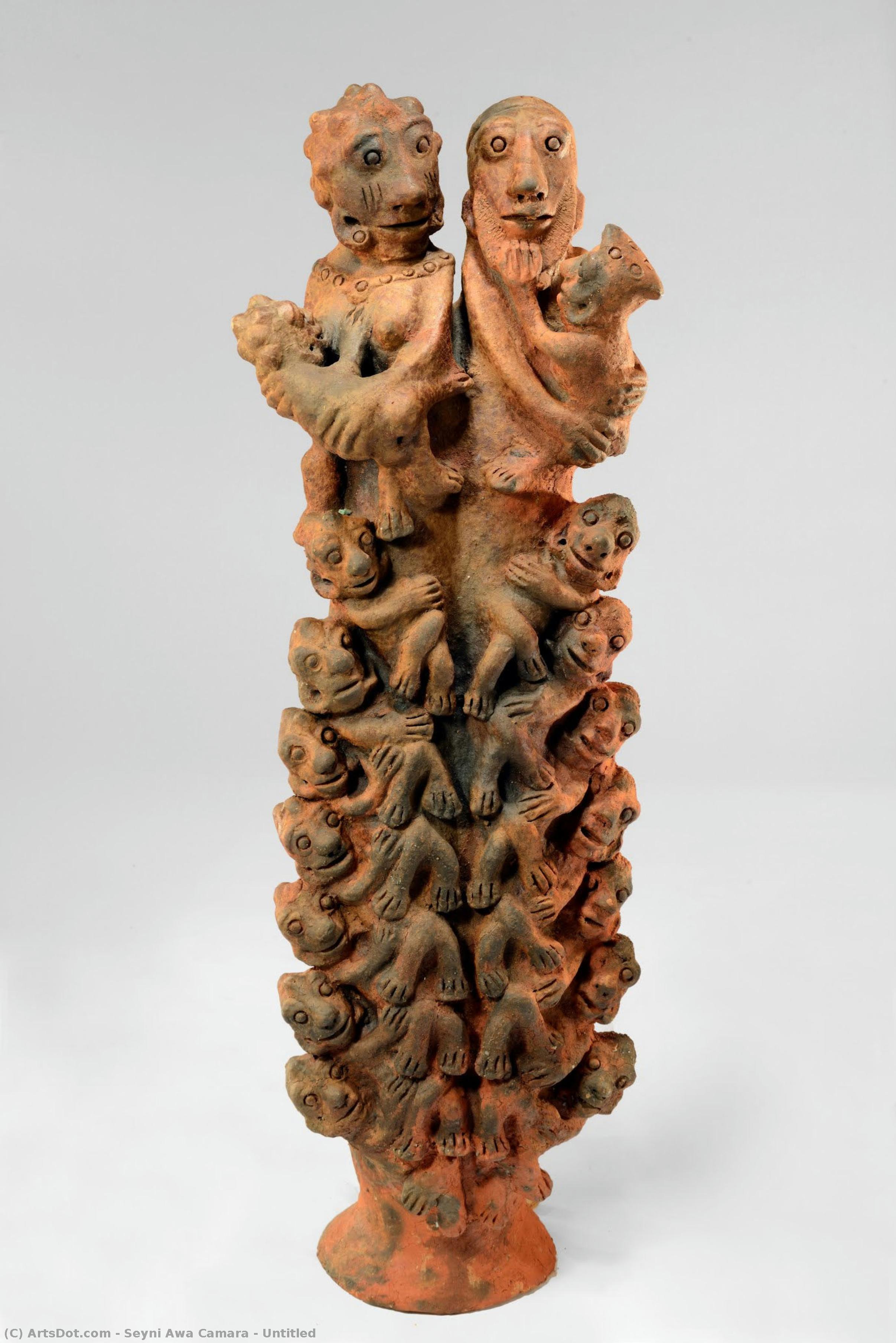
Untitled
복제본 크기
In the heart of Bignona, Senegal, where the air carries the weight of ancient stories and the scent of damp earth, the sculptures of Seyni Awa Camara emerge as profound witnesses to a vanishing world. Born around 1945, Camara did not merely practice an art form; she acted as a bridge between the tangible present and the ethereal realm of her ancestors. Her work, often described as totemic, transcends simple ceramic craft to become a spiritual dialogue. To encounter her figures is to meet the spirits of the Casamance region, rendered in clay with a raw, visceral energy that demands both reverence and reflection.
The genesis of Camara’s creative spirit is steeped in the mystical and the maternal. Raised in Oussouye, she was shaped by a dual heritage: the nomadic influence of her father, a Sousou man from Guinea, and the deep-rooted Senegalese traditions of her mother, a Sereer potter. While some accounts speak of a divine initiation—a period where she and her brothers wandered the forests of Casamançe, returning with sculptures gifted by the spirits themselves—others point to the practical, rhythmic labor of her mother’s pottery. Regardless of the origin, the result was an unbreakable bond with the earth. This connection allowed her to transform humble clay into monumental beings that range from small, intimate talismans to towering figures standing over eight feet tall.
Camara’s technique is a testament to the endurance of ancestral methods. Working largely in the open air of her front yard, she models her figures directly from the earth, a process that feels less like studio work and more like an act of summoning. These sculptures are often fired in open-hearth kilns, a traditional practice that imbues the finished pieces with a rugged, organic texture. Her aesthetic is intentionally evocative; she does not seek to replicate perfect human anatomy but rather to capture emotional truths. Through distorted faces and exaggerated proportions, she explores the complexities of the human condition—the beauty of maternity, the terror of the unknown, and the weight of spiritual responsibility.
The symbolism within her work is deeply layered, often touching upon themes of:
Despite the challenges of navigating an art historical landscape that was, for much of her career, dominated by male voices and Western-centric perspectives, Camara achieved significant international recognition. Her work found a home in prestigious collections, most notably through the support of Jean Pigozzi’s Collection Abri (CAAC), which brought her Senegalese storytelling to a global stage. She stood as a rare female presence in the celebrated Dakar “école des arts,” proving that the traditional medium of clay could hold the same intellectual and artistic weight as the more academic medium of painting.
Ultimately, the historical significance of Seyni Awa Camara lies in her ability to refuse the erasure of her culture. In an era of rapid globalization, she remained anchored to the soil of Senegal, using her art to ensure that the stories, the spirits, and the very texture of her heritage would remain indestructible. Her sculptures remain not just as objects of beauty, but as enduring monuments to a soul that found divinity in the mud.

Senegal

Explore the profound elegance of ceramic art. From master glazes to sculptural forms, our expert guide offers discerning collectors deep insights into the mastery, texture, and timeless value of fine ceramics for sophisticated collections and luxury interiors.

Master the nuances of three-dimensional art with our expert guide. Explore sculptural history, from Phidias to Neoclassicism, and learn to evaluate materiality, form, and technique like a true connoisseur. Elevate your collection with profound insights into the world of sculpture.


최신 미술 뉴스, 특별 혜택 및 인테리어 아이디어를 가장 먼저 만나보세요.
프로젝트에 대해 알려주시면 저희 미술 전문가들이 맞춤형 아트 제안 3가지를 전달해 드립니다.
당신만을 위한 맞춤형 옵션 3가지를 무료로 추천해 드립니다!

 미리보기
미리보기
 프린트 구매
 공유하기
공유하기 공유하기
공유하기
 상세 정보
상세 정보

 다운로드
다운로드
 유사 작품
유사 작품 X-레이
X-레이 슬라이드 쇼

 더 보기
더 보기









 유리 옵션은 110cm 미만 크기에서만 선택 가능합니다.


