프린트 판매로 전환 디지털 이미지 판매 채널로 전환 보내기
상세 보기 가이드 보기 즐겨찾기에 추가 이미지 다운로드 유사 작품 더 보기 슬라이드 쇼 보기 통계 정보

Angel Island Immigration Museum Exhibit Map

A detailed historical layout of the Angel Island Immigration Station by Second Story Interactive Studios offers a profound look into architectural history, inviting you to explore this captivating digital masterpiece.

Second Story Interactive Studios crafts immersive digital experiences and games known for innovative storytelling and interactive narratives like 'Murderbot Diaries' and engaging world-building; discover their captivating projects today.

핸드메이드 유화 복제화

작가가 직접 캔버스에 손으로 그린 유화 작품으로, 원하는 크기와 액자로 맞춤 제작해 드립니다. ( 프린트 판매로 전환 디지털 이미지 판매 채널로 전환)

표준 규격
맞춤 제작
CM
INCH

작품의 원본 비율을 그대로 유지하는 프리셋 사이즈 중에서 선택해 보세요.

가로 너비
높이

특정 프레임이나 공간에 맞춰 원하는 크기를 직접 입력하실 수 있습니다. 선택하신 크기가 원본 이미지의 비율과 일치하지 않을 경우, 작품을 자르거나 추가적인 수작업 요소를 더해 그림을 확장하여 제작합니다. 제작 시작 전, 최종 확인을 위해 디지털 목업을 보내드립니다.
화면상의 미리 보기는 실제 크롭(자르기)이나 확장된 상태를 완벽히 반영하지 않을 수 있습니다. 최종 구도는 오직 목업을 통해서만 정확하게 확인하실 수 있습니다.
맞춤 크기 제작도 가능하지만, 원본의 비율을 그대로 유지하기 위해서는 미리 정의된 목록에서 크기를 선택하시는 것을 권장합니다.

변경 가능한 예시: 얼굴을 고객님의 사진으로 교체, 반려동물 추가(예: 고양이를 강아지로 변경), 배경에 숨겨진 메시지 삽입, 배경 풍경 또는 요소 변경 등
주문 완료 후 WahooArt.com 팀에서 상세 안내를 위해 고객님께 이메일을 보내드리며, 미리보기 시안을 함께 제공해 드립니다.

전 세계 배송()은 표준 5주 대신 3~4주 내에 완료됩니다. (26 9월). 품질에는 어떠한 타협도 하지 않습니다.

why_choose_icon
전 세계 무료 특급 배송
why_choose_icon
고품질 린넨 캔버스
why_choose_icon
배송 전 과정 보험 적용
why_choose_icon
관세 환급 보장 서비스
why_choose_icon
원본 색상 일치 보장
why_choose_icon
제조 결함 발견 시 100일 이내 반품 가능
why_choose_icon
100% 환불 보장
why_choose_icon
다량 구매 할인 혜택

총 결제 금액

$ 272

reproduction

Angel Island Immigration Museum Exhibit Map

재현 매체

복제본 규격

-

총 결제 금액

$ 272

주요 정보

  • Artist: Second Story Interactive Studios
  • Medium: Digital painting/map
  • Subject or theme: Angel Island Immigration Station layout
  • Title: Angel Island Immigration Museum Exhibit Map
  • Year: 2020

A Cartography of Memory: Navigating the Angel Island Exhibit Map

In the intersection of digital precision and historical reverence lies the Angel Island Immigration Museum Exhibit Map, a profound work by the visionary Second Story Interactive Studios. This piece is far more than a mere architectural blueprint; it is a hauntingly beautiful window into a pivotal chapter of American history. Through its meticulous rendering of the Angel Island Immigration Station in San Francisco, the artwork invites viewers to traverse the corridors of time, tracing the footsteps of those who once navigated the complex labyrinth of arrival and exclusion. The map serves as a structural narrative, where every labeled room—from the clinical stillness of the hospital to the shadowed depths of underground tunnels—whispers stories of hope, struggle, and the human spirit's resilience.

The technique employed by Second Story Interactive Studios reflects the studio's mastery over digital storytelling, blending the clarity of modern cartography with an evocative, almost atmospheric depth. While the medium is rooted in the digital realm of pixels and code, the visual impact mimics the weight of a historical document. The layout provides a comprehensive view of both the first and second floors, utilizing a precise aesthetic that allows the viewer to grasp the physical scale of the station while simultaneously feeling the psychological enclosure of its walls. This duality creates a tension between the objective reality of the architecture and the subjective experience of the immigrants who inhabited these spaces.

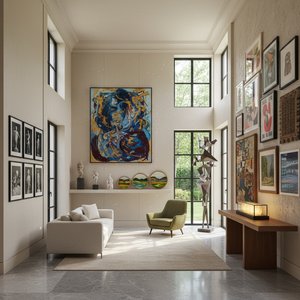
For the discerning collector or interior designer, this piece offers a unique opportunity to introduce a conversation starter into a curated space. It possesses a scholarly elegance that complements sophisticated, modern interiors, yet its subject matter carries an emotional gravity that demands attention. The map functions as a symbolic bridge between the past and the present, making it an ideal centerpiece for those who value art that stimulates intellectual inquiry and empathy. To possess a reproduction of this work is to hold a fragment of history, transformed into a visual journey that explores the very architecture of human destiny.

작가 소개

The Digital Storytellers: Second Story Interactive Studios

Second Story Interactive Studios, a name perhaps less familiar than the masters of canvas and marble, represents a pivotal force in the evolution of art for the digital age. Founded not on traditional apprenticeship but on a shared passion for narrative design and interactive experiences, this studio has quietly reshaped how we engage with storytelling. Unlike artists bound by physical mediums, Second Story operates within the boundless realm of code, pixels, and user agency. Their origins are rooted in the burgeoning world of early internet gaming and multimedia development, a time when the possibilities of virtual spaces were only beginning to be explored. While pinpointing a single founder or definitive birthdate proves elusive – the studio evolved organically from collaborative projects – its core ethos coalesced around a desire to move beyond passive consumption and invite audiences *into* the story itself.

From Gaming to Immersive Narratives

The early work of Second Story was heavily influenced by the text-based adventure games and role-playing environments that captivated a generation of computer users. However, they quickly distinguished themselves from their contemporaries by prioritizing character development and emotional resonance over complex game mechanics. Their initial projects were often commissioned for educational institutions or corporate training programs – seemingly dry subject matter transformed into compelling interactive simulations. This period honed their skills in crafting branching narratives, responsive dialogue systems, and believable virtual characters. A key turning point came with the development of “The Museum of Forgotten Memories,” a project that allowed users to explore a digitally reconstructed historical site, uncovering personal stories through interactions with ghostly inhabitants. It wasn’t simply about learning facts; it was about *feeling* history, empathizing with those who lived it. This marked a shift from functional simulations towards truly immersive narratives – experiences designed not just to inform but to provoke thought and emotion.

A Unique Artistic Process

Second Story's artistic process is remarkably collaborative and iterative. It begins not with sketches or sculpting, but with extensive world-building exercises, character biographies, and detailed plot outlines. They employ a team of writers, designers, programmers, voice actors, and sound engineers, all working in close concert to create a cohesive and believable virtual environment. A crucial element is their use of AI-driven behavioral models for non-player characters (NPCs). These aren’t simply pre-programmed responses; the NPCs react dynamically to user actions, remember past interactions, and even exhibit evolving emotional states. This creates a sense of genuine agency and unpredictability within the narrative. The studio's commitment to ethical AI is also noteworthy, ensuring that these virtual characters are not exploited or misrepresented. They often utilize motion capture technology to create realistic animations and facial expressions, further blurring the line between the real and the virtual.

Major Achievements & Lasting Impact

Second Story Interactive Studios has garnered numerous awards for its innovative work in interactive storytelling, including recognition from the International Interactive Media Council and several Webby Awards. However, their most significant achievement lies in popularizing a new form of artistic expression – one that transcends traditional boundaries. Their project “Echoes of the Past,” a virtual recreation of a refugee camp, has been used extensively by humanitarian organizations to raise awareness about global displacement issues. The ability to step into the shoes of another and experience their struggles firsthand has proven profoundly impactful. Furthermore, their work has influenced the development of virtual reality (VR) experiences, interactive documentaries, and even therapeutic applications for treating PTSD and anxiety. They have demonstrated that digital storytelling isn’t just entertainment; it's a powerful tool for empathy, education, and social change.

The Future of Interactive Art

As technology continues to evolve, Second Story Interactive Studios remains at the forefront of innovation. They are currently exploring the potential of augmented reality (AR) to seamlessly integrate virtual narratives into our physical world, and experimenting with blockchain technology to create decentralized storytelling platforms where users can contribute to and own their own interactive experiences.
  • Their ongoing research into procedural narrative generation promises even more dynamic and personalized stories.
  • They are also actively involved in developing ethical guidelines for the use of AI in art, advocating for responsible innovation.
  • The studio’s commitment to accessibility ensures that their work is inclusive and available to a wide audience.
Second Story Interactive Studios isn't simply creating games or simulations; they are building worlds – worlds that challenge our perceptions, foster empathy, and redefine the very nature of storytelling in the 21st century. Their legacy will undoubtedly be felt for generations to come, as interactive art continues to shape how we understand ourselves and the world around us.