
빠른 제작과 다양한 마감 옵션을 제공하는 박물관 품질의 지클레이 또는 캔버스 프린트. ( 손으로 그린 그림 구매 디지털 이미지로 전환)





























작품의 원본 비율을 유지하는 미리 설정된 크기 중에서 선택하세요.

특정 프레임이나 공간에 맞춰 직접 치수를 입력하실 수 있습니다. 선택하신 사이즈가 원본 이미지의 비율과 일치하지 않을 경우, 작품을 크롭(자르기)하거나 이미지를 대칭 또는 단색 채우기로 확장하여 제작합니다. 제작 시작 전, 최종 확인을 위해 디지털 목업이 전송됩니다.
화면상의 미리보기는 실제 크롭이나 확장 상태를 반영하지 않으므로, 최종 구도는 오직 목업을 통해서만 정확하게 확인하실 수 있습니다.
맞춤 사이즈 제작도 가능하지만, 원본 비율을 유지하기 위해서는 사전 정의된 목록에서 치수를 선택하시는 것을 권장합니다.

Three Miracles of Saint Zenobius
복제본 크기
Sandro Botticelli's “Three Miracles of Saint Zenobius,” painted circa 1505, is a captivating tableau that transports the viewer directly into the heart of Renaissance Florence – a city grappling with burgeoning humanism while simultaneously holding fast to deeply ingrained religious beliefs. This work, now meticulously reproduced for discerning collectors and interior design enthusiasts, offers a rare glimpse into the artistic sensibilities of one of Italy’s most celebrated masters. The painting depicts three distinct miracles attributed to Saint Zenobius, a 3rd-century bishop renowned for his piety and extraordinary feats of healing and divine intervention. Botticelli masterfully captures these moments not as literal depictions but rather as emotionally charged narratives, imbued with the grace and elegance that define his signature style.
Botticelli's technique in “Three Miracles” is immediately recognizable. The composition unfolds with a deliberate fluidity, characteristic of the Early Renaissance period. Figures are rendered with elongated forms and graceful poses, reflecting a fascination with classical ideals of beauty – a direct influence stemming from his exposure to ancient Greek sculpture. Note the use of tempera on panel, a common medium for Florentine artists at the time, which allowed for vibrant colors and subtle gradations in tone. The artist’s meticulous attention to detail is evident in the rendering of fabrics, particularly the flowing robes worn by the figures, and the expressive gestures that convey the astonishment and reverence of the onlookers. The background, rendered with atmospheric perspective – a technique pioneered during this era – subtly recedes into the distance, drawing the viewer's eye towards the central events.
The painting’s narrative is rich in symbolic meaning. Each of the three miracles represents a different facet of Saint Zenobius’ power and devotion. The first scene, with the man raised from the bed, speaks to healing and resurrection – a central tenet of Christian faith. The second, depicting a figure falling from a balcony, perhaps symbolizes protection or divine intervention preventing harm. The third, featuring kneeling figures, suggests prayer and supplication. Beyond these specific miracles, the presence of a table laden with food hints at abundance and God’s provision. Botticelli doesn't simply record events; he elevates them into powerful allegories of faith and hope, reflecting the spiritual concerns of his time.
"Three Miracles of Saint Zenobius" was created during a pivotal moment in Florentine art history – the High Renaissance was beginning to take shape. Botticelli’s work stands as a bridge between the stylistic innovations of the Early Renaissance and the more ambitious, complex compositions that would characterize the later period. This painting demonstrates his ability to synthesize classical influences with religious subject matter, creating an artwork that is both aesthetically beautiful and profoundly meaningful. Its creation reflects the patronage system prevalent in Florence, where wealthy families like the Medici commissioned works to enhance their prestige and demonstrate their piety. Today, this reproduction offers a tangible connection to this remarkable artistic legacy.


1445 - 1510 , 이탈리아

Master the nuances of Giclée printing with our expert guide. Discover how pigment-based inks and museum-grade substrates create fade-resistant, high-fidelity art reproductions designed for discerning collectors seeking unparalleled quality and longevity.
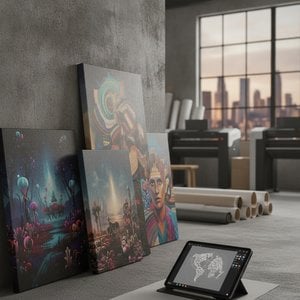
당신의 예술적 영감을 전 세계로 확장하세요. WahooArt는 재고 부담 없는 프리미엄 지클리(Giclée) 프린트 솔루션을 통해 인플루언서와 작가들에게 글로벌 비즈니스 기회를 제공합니다. 박물관급 품질의 파인 아트 프린팅과 투명한 물류 시스템으로 당신의 작품을 시대를 초월한 예술적 유산으로 완성해 드립니다.


 미리보기
미리보기
 공유하기
공유하기 공유하기
공유하기
 상세 정보
상세 정보

 다운로드
다운로드
 유사 작품
유사 작품 X-레이
X-레이 슬라이드 쇼
 통계 정보
통계 정보
 더 보기
더 보기









 유리 옵션은 110cm 미만 크기에서만 선택 가능합니다.


