

빠른 제작과 다양한 마감 옵션을 제공하는 박물관 수준의 지클레이 및 캔버스 프린트. ( 수작업 채색 복제본 주문하기 디지털 이미지로 전환)





























작품의 원본 비율을 그대로 유지하는 프리셋 사이즈 중에서 선택해 보세요.

액자나 벽면 크기에 맞춰 필요한 가로와 세로 길이를 입력해 주세요. 프린트는 원본 이미지보다 크게 제작할 수 없으며 오직 자르는 것만 가능하므로, 비율이 다른 사이즈를 선택할 경우 이미지의 일부가 잘려 나갈 수 있습니다. 인쇄 작업에 들어가기 전, 최종 확인을 위해 디지털 목업을 보내드립니다. 이 페이지에 표시된 이미지는 실제 잘리는 영역을 나타내지 않으며, 오직 목업을 통해서만 정확한 확인이 가능합니다.
The Wedding Banquet
복제본 크기
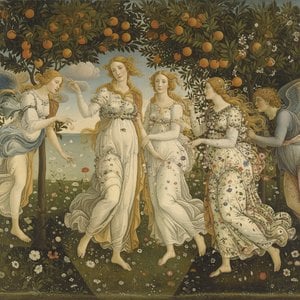
Sandro Botticelli's “The Wedding Banquet,” painted around 1483, isn’t merely a depiction of a festive occasion; it’s a shimmering window into the heart of Renaissance Florence – a city pulsating with artistic innovation and humanist ideals. Commissioned by Antonio Pucci for his son’s marriage, this painting transcends its simple subject matter to become a complex meditation on social status, love, and the revival of classical themes. Botticelli masterfully employs his signature elongated figures and graceful poses, setting them against a backdrop that subtly blends the opulent details of a Florentine wedding with echoes of ancient Roman architecture – a deliberate nod to the burgeoning interest in antiquity that characterized the era.
The scene unfolds within a richly decorated hall, overflowing with the trappings of wealth and celebration. Guests, rendered with Botticelli’s characteristic elegance, are engaged in various activities: musicians play lively tunes, servants attend to the needs of the assembled company, and tables groan under the weight of lavish food and drink. Notice particularly the careful attention to detail – the intricate patterns on the fabrics, the delicate rendering of the goblets and serving dishes, all contribute to a sense of immersive realism. However, Botticelli doesn’t simply aim for photographic accuracy; he elevates these details into symbols, hinting at the social hierarchies and expectations that governed Florentine society.
Botticelli’s artistic style is immediately recognizable. He favored a delicate and refined use of color, often employing muted tones – ochres, blues, and greens – to create a sense of harmony and balance within the composition. Yet, he wasn't afraid to introduce vibrant accents, particularly in the clothing and decorative elements, drawing attention to specific details. Crucially, Botticelli’s work is defined by his masterful command of line; each figure is delineated with precise contours, lending them an almost ethereal quality. This emphasis on line, combined with his elongated figures – a characteristic inherited from earlier Gothic traditions – creates a sense of movement and grace that is both captivating and subtly unsettling.
The painting’s composition itself reflects Botticelli's engagement with classical principles. The arrangement of the figures, the use of perspective (though not strictly linear), and the inclusion of architectural elements—a subtle archway in the background—all allude to the ideals of harmony, proportion, and beauty that were central to Renaissance art. Botticelli’s deliberate incorporation of these classical motifs wasn't simply decorative; it was a conscious effort to revive interest in the artistic achievements of ancient Greece and Rome, contributing significantly to the intellectual and cultural climate of his time.
“The Wedding Banquet” is more than just a celebration; it’s a subtle commentary on social dynamics. The varying attire of the guests – some adorned in elaborate robes, others dressed more modestly – clearly indicates their respective social standing. Botticelli subtly critiques the superficiality of wealth and status, suggesting that outward appearances can often mask deeper complexities. The scene also hints at the constraints placed upon individuals within a rigid social hierarchy. While the wedding itself is a joyous occasion, there’s an underlying tension—a sense that the festivities are merely a performance, masking unspoken anxieties and desires.
Botticelli's work continues to resonate today because it captures not only the beauty of Renaissance Florence but also its complexities – its artistic brilliance alongside its social constraints. Reproductions of “The Wedding Banquet” offer a remarkable opportunity to experience this captivating painting firsthand, bringing Botticelli’s vision to life in your own home or studio.
"The Wedding Banquet"은 이탈리아 출신의 산드로 보티첼리가 Early Renaissance 운동의 흐름 속에서 제작한 작품입니다. 작가의 출신 배경은 이 작품을 이탈리아 예술가들이 선보인 Early Renaissance 양식과 연결해 줍니다.
산드로 보티첼리의 "The Wedding Banquet"의 학습 가이드 페이지에서는 인쇄 가능한 두 장 분량의 학습용 팩트시트를 제공합니다. 여기에는 작품과 상세 정보표, 작가의 생애 속 시기를 보여주는 연대기, 해당 작가의 다른 작품들, 추출된 컬러 팔레트, 그리고 네 가지 스타일로 바로 복사하여 사용할 수 있는 인용 문구가 포함되어 있습니다.
"The Wedding Banquet"은(는) Oil 기법으로 제작되었습니다.


1445 - 1510 , 이탈리아

Discover why a hand-painted wedding portrait is the ultimate luxury heirloom. Elevate your wedding memories beyond photography with bespoke oil paintings that transcend generations through timeless artistry and meticulous craftsmanship.
Explore the ethereal beauty of Sandro Botticelli's masterpieces. Delve into the profound symbolism, mythological grace, and technical mastery that define the Italian Renaissance through an expert art-historical lens.

웨딩 플래너를 위한 프리미엄 가이드: 결혼식을 단순한 행사를 넘어 하나의 예술 작품으로 승화시키는 10가지 커스텀 아트 아이디어를 제안합니다. 맞춤형 초상화부터 공간을 채우는 벽화까지, 하객들에게 깊은 영감을 주고 신랑 신부의 소중한 순간을 영원한 걸작으로 기록하는 독창적인 예술적 전략을 확인해 보세요.
 미리보기
미리보기
 공유하기
공유하기 공유하기
공유하기
 상세 정보
상세 정보 가이드 보기

 다운로드
다운로드
 유사 작품 더 보기
 X-레이
X-레이 슬라이드 쇼 보기
 질의응답
질의응답
 통계 정보
통계 정보
 더 보기
더 보기









 유리 옵션은 110cm 미만 크기에서만 선택 가능합니다.


