


빠른 제작과 다양한 마감 옵션을 제공하는 박물관 수준의 지클레이 및 캔버스 프린트. ( 수작업 채색 복제본 주문하기 디지털 이미지로 전환)





























작품의 원본 비율을 그대로 유지하는 프리셋 사이즈 중에서 선택해 보세요.

액자나 벽면 크기에 맞춰 필요한 가로와 세로 길이를 입력해 주세요. 프린트는 원본 이미지보다 크게 제작할 수 없으며 오직 자르는 것만 가능하므로, 비율이 다른 사이즈를 선택할 경우 이미지의 일부가 잘려 나갈 수 있습니다. 인쇄 작업에 들어가기 전, 최종 확인을 위해 디지털 목업을 보내드립니다. 이 페이지에 표시된 이미지는 실제 잘리는 영역을 나타내지 않으며, 오직 목업을 통해서만 정확한 확인이 가능합니다.
The outcast
복제본 크기
Created in 1496, Sandro Botticelli's "The Outcast" is a deeply moving depiction of human sorrow and isolation. This intimate work offers a poignant glimpse into the emotional landscape of the Renaissance, diverging from his more celebrated mythological scenes to focus on raw, relatable feeling.
The painting centers around a solitary female figure seated upon stone steps, set against the backdrop of what appears to be ancient Roman ruins. Her posture—head bowed, hands clasped loosely in her lap—speaks volumes about grief and despair. The composition is powerfully vertical, emphasized by the archway, the descending steps, and the woman’s own form. This creates a sense of enclosure and confinement, visually mirroring her emotional state. The figure isn't actively *doing* anything; she simply *is*, lost in contemplation or mourning.
Botticelli masterfully employs an oil painting technique characterized by soft blending and subtle gradations of color. The palette is restrained, dominated by warm browns, ochres, and pinkish-red tones that contribute to the melancholic atmosphere. Lines are gentle and flowing, lending a sense of vulnerability to the figure. While rooted in the traditions of early Renaissance realism, “The Outcast” also hints at the emotional intensity that would come to define Romanticism. The texture is suggested through delicate shading, evoking the rough surface of the stone and the weight of the draped fabric.
Late 15th-century Florence was a period of significant social and political upheaval, marked by religious fervor and anxieties. While the precise meaning remains open to interpretation, “The Outcast” likely reflects these broader cultural concerns. The Roman ruins themselves symbolize decay, loss, and the transience of earthly power. Some scholars suggest the figure represents a penitent Magdalene or embodies a more universal experience of suffering and exile. Botticelli’s choice to depict such a vulnerable subject matter is notable, particularly given his earlier focus on idealized beauty.
“The Outcast” isn't a painting that shouts; it whispers. Its power lies in its quiet intimacy and the universality of its theme—the experience of loss, loneliness, and profound sadness. The work invites viewers to empathize with the figure’s plight and contemplate their own experiences of sorrow. It is a testament to Botticelli’s skill as an artist that he can convey such depth of emotion with such restraint.
“The Outcast” stands as a powerful reminder of the enduring human capacity for both suffering and resilience—a timeless work that continues to resonate with audiences centuries after its creation.
산드로 보티첼리의 "The outcast"은(는) Accent(으)로 활용하시기에 가장 좋습니다. 그 외에도 다양한 용도로 사용하실 수 있습니다.
"The outcast"은(는) Calm 분위기를 자아냅니다.
산드로 보티첼리의 "The outcast"의 권장 인쇄 사이즈는 Large입니다.


1445 - 1510 , 이탈리아
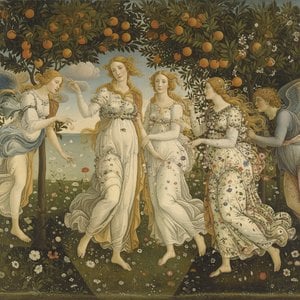
Explore the ethereal beauty of Sandro Botticelli's masterpieces. Delve into the profound symbolism, mythological grace, and technical mastery that define the Italian Renaissance through an expert art-historical lens.
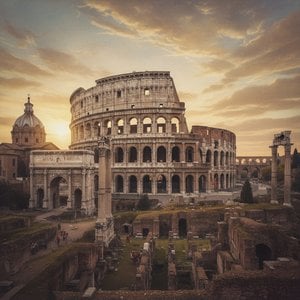
Explore the profound beauty of Roman architecture through art history. From Piranesi's evocative engravings to classical masterpieces, discover how the grandeur of ancient Rome continues to inspire collectors and art enthusiasts worldwide.

Explore the profound beauty of Roman ruins through the lens of Baroque masters. Discover how fine art captures the grandeur and decay of antiquity, offering timeless elegance for sophisticated collectors and lovers of classical history.

Explore the profound beauty of ancient ruins through fine art history. Discover how masters like Pannini captured Roman grandeur, and learn how to bring this timeless architectural majesty into your home with museum-quality, hand-painted oil reproductions.
 미리보기
미리보기
 공유하기
공유하기 공유하기
공유하기
 상세 정보
상세 정보 가이드 보기

 다운로드
다운로드
 유사 작품 더 보기
 X-레이
X-레이 슬라이드 쇼 보기
 질의응답
질의응답
 통계 정보
통계 정보

 더 보기
더 보기









 유리 옵션은 110cm 미만 크기에서만 선택 가능합니다.


