

빠른 제작과 다양한 마감 옵션을 선택할 수 있는 박물관 수준의 지클레이 및 캔버스 프린트. ( 수작업 채색 복제본 주문하기 디지털 이미지 판매 채널로 전환)





























작품의 원본 비율을 그대로 유지하는 프리셋 사이즈 중에서 선택해 보세요.

액자나 벽면 크기에 맞춰 필요한 가로와 세로 길이를 입력해 주세요. 프린트는 원본 이미지보다 크게 제작할 수 없으며 오직 자르는 것만 가능하므로, 비율이 다른 사이즈를 선택할 경우 이미지의 일부가 잘려 나갈 수 있습니다. 인쇄 작업에 들어가기 전, 최종 확인을 위해 디지털 목업을 보내드립니다. 이 페이지에 표시된 이미지는 실제 잘리는 영역을 나타내지 않으며, 오직 목업을 통해서만 정확한 확인이 가능합니다.
수태고지 (디테일)
복제본 규격
"수태고지 (디테일)"은(는) 산드로 보티첼리의 다른 작품들과 마찬가지로 초기 르네상스 양식과 더불어 고전적 이상주의와 비잔틴 전통, 기독교 신앙과 영적 성찰, 피렌체의 후원과 예술적 위상, 보티첼리 특유의 화풍의 등장라는 작가의 반복되는 주제 의식을 공유합니다.
산드로 보티첼리의 "수태고지 (디테일)"의 미술사적 분류는 르네상스 시대의 초기 르네상스입니다.
산드로 보티첼리의 반복되는 주제에는 고전적 이상주의와 비잔틴 전통, 기독교 신앙과 영적 성찰, 피렌체의 후원과 예술적 위상, 보티첼리 특유의 화풍의 등장가 포함되어 있으며, "수태고지 (디테일)"은 수태고지, 성모 마리아, 가브리엘 천사, 피렌체 르네상스, 종교적 도상학, 보티첼리 회화, 신성한 계시, 르네상스 미술에 초점을 맞추고 있습니다.


1445 - 1510 , 이탈리아
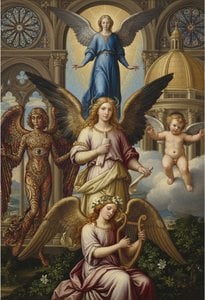
Explore the profound beauty of angelic figures in art history. From Renaissance masterpieces to celestial symbolism, our expert guide offers a sophisticated journey through the divine imagery of the Old Masters for discerning collectors and art enthusiasts.

Explore the profound beauty of Marian iconography through an art historian's lens. Discover iconic masterpieces by Raphael and Renaissance masters, celebrating the divine grace and timeless elegance of the Virgin Mary in classical fine art.
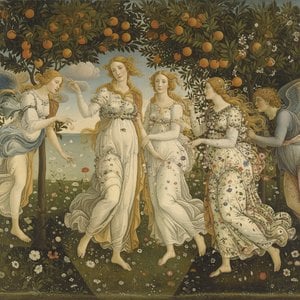
Explore the ethereal beauty of Sandro Botticelli's masterpieces. Delve into the profound symbolism, mythological grace, and technical mastery that define the Italian Renaissance through an expert art-historical lens.

Explore the profound beauty of Angel Gabriel in art history. From Renaissance masterpieces to Baroque splendor, our expert guide delves into the sacred iconography and timeless techniques of these divine messengers for the discerning art enthusiast.

 실제 크기로 보기
 보내기
보내기 공유하기
공유하기
 상세 보기
상세 보기 가이드 보기

 이미지 다운로드
 유사 작품 더 보기
 X-레이
X-레이 슬라이드 쇼 보기
 통계 정보
통계 정보


 상세 보기
상세 보기









 유리 옵션은 110cm 미만 크기에서만 선택 가능합니다.


