
빠른 제작과 다양한 마감 옵션을 제공하는 박물관 품질의 지클레이 또는 캔버스 프린트. ( 손으로 그린 그림 구매 디지털 이미지로 전환)





























작품의 원본 비율을 유지하는 미리 설정된 크기 중에서 선택하세요.

특정 프레임이나 공간에 맞춰 직접 치수를 입력하실 수 있습니다. 선택하신 사이즈가 원본 이미지의 비율과 일치하지 않을 경우, 작품을 크롭(자르기)하거나 이미지를 대칭 또는 단색 채우기로 확장하여 제작합니다. 제작 시작 전, 최종 확인을 위해 디지털 목업이 전송됩니다.
화면상의 미리보기는 실제 크롭이나 확장 상태를 반영하지 않으므로, 최종 구도는 오직 목업을 통해서만 정확하게 확인하실 수 있습니다.
맞춤 사이즈 제작도 가능하지만, 원본 비율을 유지하기 위해서는 사전 정의된 목록에서 치수를 선택하시는 것을 권장합니다.

Study of St. Jerome
복제본 크기
Sandro Botticelli's "Study of St. Jerome," painted around 1495, isn’t a grand masterpiece intended for public display; rather, it’s a remarkably intimate glimpse into the artist’s creative process and his profound engagement with religious iconography. This unassuming work, now residing within the collection of WahooArt, offers a compelling study in Botticelli's evolving style—a delicate balance between the formality of early Renaissance portraiture and the burgeoning lyricalism that would define his most celebrated works. The painting depicts a solitary figure, identified as St. Jerome, seated on the ground amidst a simple, yet powerfully evocative, red background. He’s rendered with an almost sculptural quality, his posture conveying both contemplation and a quiet dignity.
Botticelli's technique here is particularly noteworthy. He employs a tempera-based method, favored for its ability to achieve luminous colors and subtle gradations of tone—qualities that lend the figure a remarkable sense of presence. The red background isn’t merely decorative; it serves to isolate Jerome, drawing our attention to his form and emphasizing his isolation within this meditative scene. Notice the meticulous detail in his hands clasped together – a gesture of prayer or perhaps simply deep thought. Botticelli's mastery of line is evident in the precise rendering of his long white beard, the folds of his robe, and the subtle modeling of his face. The painting feels almost preparatory, as if it were a stepping stone to the more polished “Last Communion of St. Jerome,” another iconic work from the same period.
St. Jerome is a pivotal figure in Christian tradition—a renowned biblical scholar, translator of the Vulgate Bible, and hermit known for his ascetic lifestyle. His story, as recounted in the *Epistle to Damasus*, details his conversion to Christianity after a life of worldly pursuits, culminating in his dedication to translating scripture and combating heresy. Botticelli’s “Study” captures this essence of Jerome's journey—his retreat from the world into a space of prayerful contemplation. The setting itself is crucial; the ground suggests humility and connection with nature, while the red background could symbolize both the blood shed for Christ and the passionate devotion that fueled Jerome’s life.
The painting resonates deeply with the humanist ideals of the Renaissance, which sought to reconcile classical learning with Christian faith. Jerome's solitary study mirrors the intellectual pursuits valued during this era—a dedication to knowledge and spiritual understanding. However, Botticelli doesn’t simply present Jerome as a learned scholar; he imbues him with an almost ethereal quality, suggesting a deeper connection to the divine. The pose, reminiscent of depictions of Christ in prayer, elevates Jerome beyond a mere historical figure and transforms him into a symbol of faith and perseverance.
Botticelli’s work is rich with symbolic references, drawing upon both biblical narratives and classical mythology. The red background, as mentioned earlier, carries multiple layers of meaning—representing sacrifice, passion, and divine love. The hermit's posture echoes the iconography of other religious figures, particularly those depicted in contemplation or prayer. Interestingly, Botticelli’s style is influenced by his apprenticeship with Fra Filippo Lippi, a master painter known for his frescoes depicting biblical scenes with a strong emphasis on emotion and narrative detail. The influence of Lippi can be seen in Botticelli's use of flowing lines and expressive gestures.
Furthermore, the “Study” reflects the broader artistic trends of the late 15th century—a period marked by experimentation and innovation. Botticelli’s exploration of perspective, his delicate color palette, and his ability to capture a sense of psychological depth were all hallmarks of this era. The painting serves as a testament to Botticelli's remarkable talent and his profound understanding of the human condition.
WahooArt is proud to offer meticulously crafted, hand-painted reproductions of Sandro Botticelli’s “Study of St. Jerome.” These aren’t merely prints; they are faithful recreations of the original painting, capturing its luminosity, detail, and emotional resonance. Each reproduction is created by skilled artists using traditional techniques, ensuring that you receive a work of art that rivals the authenticity of the masterpiece itself. Whether you're an art enthusiast, a collector seeking to expand your collection, or simply someone looking for a beautiful addition to your home—a Botticelli reproduction offers a timeless and enriching experience. Explore our selection today and bring this poignant study of faith and solitude into your space.


1445 - 1510 , 이탈리아

Explore the profound iconography of Saint Jerome through art history's most iconic masterpieces. From Renaissance serenity to Baroque drama, discover how legendary painters captured divine devotion in breathtaking oil paintings and fine art reproductions.
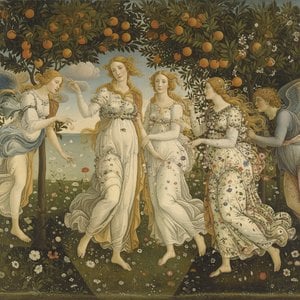
Explore the ethereal beauty of Sandro Botticelli's masterpieces. Delve into the profound symbolism, mythological grace, and technical mastery that define the Italian Renaissance through an expert art-historical lens.


 미리보기
미리보기
 공유하기
공유하기 공유하기
공유하기
 상세 정보
상세 정보

 다운로드
다운로드
 유사 작품
유사 작품 X-레이
X-레이 슬라이드 쇼
 통계 정보
통계 정보
 더 보기
더 보기









 유리 옵션은 110cm 미만 크기에서만 선택 가능합니다.


