

작가가 직접 캔버스에 손으로 그린 유화 작품으로, 원하는 크기와 액자로 맞춤 제작해 드립니다. ( 프린트 판매로 전환 디지털 이미지 판매 채널로 전환)





























작품의 원본 비율을 그대로 유지하는 프리셋 사이즈 중에서 선택해 보세요.

액자나 벽면 크기에 맞춰 필요한 가로와 세로 길이를 입력해 주세요. 본 작품은 수작업으로 제작되므로, 요청하신 비율에 따라 작가가 그림의 가장자리를 조금 더 넓게 그리거나 일부를 조정하여 작업할 수 있습니다. 작업 시작 전, 최종 확인을 위해 디지털 목업 이미지를 보내드립니다. 이 페이지에 표시된 이미지는 실제 결과물과 다를 수 있으며, 오직 목업 이미지만이 정확한 결과물을 보여줍니다.
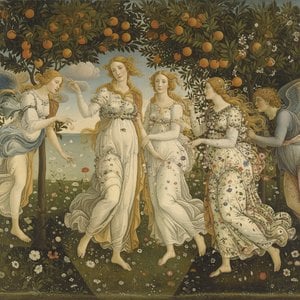
Primavera -
복제본 규격
"Primavera -"을(를) 다운로드하실 수 있습니다: 작품의 다운로드 페이지에서 고해상도 디지털 이미지 다운로드 이용이 가능합니다.
산드로 보티첼리의 "Primavera -"은(는) 퍼블릭 도메인 - 저작권 보호 기간이 만료되었습니다 상태입니다. 저작권 보호 기간은 작가 사후를 기준으로 산정되며, 산드로 보티첼리은(는) 1510년에 작고하였습니다.
산드로 보티첼리의 "Primavera -"은(는) Romantic한 분위기 속에서 mythology, springtime, deities, floral, renaissance, allegory, nature을(를) 묘사합니다. 작품의 주제와 분위기가 어우러져 하나의 완성된 세계를 보여줍니다.


1445 - 1510 , 이탈리아

Discover museum-quality Giclée paper prints at WahooArt. Elevate your space with archival, pigment-based reproductions of the world's greatest masterpieces. Affordable, elegant, and designed for lasting beauty. Start curating your timeless art legacy today.

당신의 예술적 영감을 전 세계로 확장하세요. WahooArt는 재고 부담 없는 프리미엄 지클리(Giclée) 프린트 솔루션을 통해 인플루언서와 작가들에게 글로벌 비즈니스 기회를 제공합니다. 박물관급 품질의 파인 아트 프린팅과 투명한 물류 시스템으로 당신의 작품을 시대를 초월한 예술적 유산으로 완성해 드립니다.

Embark on a sophisticated journey through the eternal allure of mythological art. Discover how master painters breathe life into ancient legends, from Greek deities to Baroque masterpieces, and learn to curate these timeless narratives within your own exquisite art collection.
Explore the ethereal beauty of Sandro Botticelli's masterpieces. Delve into the profound symbolism, mythological grace, and technical mastery that define the Italian Renaissance through an expert art-historical lens.

Master the nuances of Giclée printing with our expert guide. Discover how pigment-based inks and museum-grade substrates create fade-resistant, high-fidelity art reproductions designed for discerning collectors seeking unparalleled quality and longevity.

 실제 크기로 보기
 보내기
보내기 공유하기
공유하기
 상세 보기
상세 보기 가이드 보기

 이미지 다운로드
 유사 작품 더 보기
 X-레이
X-레이 슬라이드 쇼 보기
 통계 정보
통계 정보

 상세 보기
상세 보기









 유리 옵션은 110cm 미만 크기에서만 선택 가능합니다.


