
빠른 제작과 다양한 마감 옵션을 제공하는 박물관 품질의 지클레이 또는 캔버스 프린트. ( 손으로 그린 그림 구매 디지털 이미지로 전환)





























작품의 원본 비율을 유지하는 미리 설정된 크기 중에서 선택하세요.

특정 프레임이나 공간에 맞춰 직접 치수를 입력하실 수 있습니다. 선택하신 사이즈가 원본 이미지의 비율과 일치하지 않을 경우, 작품을 크롭(자르기)하거나 이미지를 대칭 또는 단색 채우기로 확장하여 제작합니다. 제작 시작 전, 최종 확인을 위해 디지털 목업이 전송됩니다.
화면상의 미리보기는 실제 크롭이나 확장 상태를 반영하지 않으므로, 최종 구도는 오직 목업을 통해서만 정확하게 확인하실 수 있습니다.
맞춤 사이즈 제작도 가능하지만, 원본 비율을 유지하기 위해서는 사전 정의된 목록에서 치수를 선택하시는 것을 권장합니다.

Portrait of a young man
복제본 크기
To encounter Sandro Botticelli’s Portrait of a Young Man is to engage in a silent, profound dialogue that has spanned over five centuries. Painted during the height of the Florentine Renaissance, around 1480, this work does not merely capture a likeness; it captures an essence. The subject, with his direct and contemplative gaze, seems to pierce through the veil of time, bridging the gap between the vibrant streets of Renaissance Florence and the modern observer. There is an undeniable emotional gravity in his expression—a delicate balance of youthful idealism and a burgeoning, serious intellect that reflects the very heart of the era's humanist movement.
The painting serves as a masterful study of character, where the sitter’s unwavering stare invites the viewer into his private world. His attire, featuring a striking crimson robe paired with a dark hood, suggests a person of significant social standing or perhaps even religious devotion. This sense of importance is further heightened by the subtle presence of other figures in the periphery, which adds a layer of narrative depth to the composition, hinting at a larger, bustling world just beyond the frame of this intimate encounter.
Botticelli’s signature style is instantly recognizable through its graceful lines and a remarkably restrained color palette. Eschewing the opulent, heavy pigments used by some of his contemporaries, Botticelli favored muted, sophisticated hues—primarily deep reds, blacks, and golds—to create an atmosphere of solemn beauty. His technique demonstrates a profound mastery of sfumato, the subtle blending of colors and tones to soften contours and eliminate harsh outlines. This delicate shading lends an ethereal, almost dreamlike quality to the portrait, enhancing its realism while simultaneously elevating it into the realm of the sublime.
Every brushstroke reveals a meticulous attention to detail, particularly in the rendering of textures. The way the light catches the heavy fabric of the red robe demonstrates the artist's incredible observational skill. For collectors and interior designers alike, this technical brilliance makes the piece a captivating focal point; it possesses a quiet strength that commands attention without overwhelming its surroundings. The interplay of light and shadow creates a three-dimensional presence that breathes life into the panel, making each viewing a new discovery.
The historical context of this masterpiece is as rich as its colors. Created during the ascendancy of Lorenzo de' Medici, known as Lorenzo il Magnifico, the painting was born from a period of unparalleled artistic innovation. Under the patronage of the Medici family, Florence became a crucible of creativity where classical mythology and humanism flourished. Botticelli, deeply embedded in this cultural ecosystem, utilized his art to explore the dignity of the individual, moving away from purely religious iconography toward a celebration of earthly beauty and psychological depth.
For those seeking to bring a piece of history into their personal spaces, this portrait offers more than mere decoration; it offers an infusion of intellectual prestige and timeless elegance. Whether placed in a sunlit gallery or a sophisticated study, the Portrait of a Young Man acts as a window into a golden age. It remains a testament to the enduring power of the Renaissance—a period where art sought to capture not just the face of man, but the very spirit of humanity.


1445 - 1510 , 이탈리아
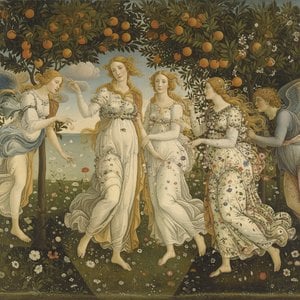
Explore the ethereal beauty of Sandro Botticelli's masterpieces. Delve into the profound symbolism, mythological grace, and technical mastery that define the Italian Renaissance through an expert art-historical lens.


 미리보기
미리보기
 공유하기
공유하기 공유하기
공유하기
 상세 정보
상세 정보

 다운로드
다운로드
 유사 작품
유사 작품 X-레이
X-레이 슬라이드 쇼
 통계 정보
통계 정보

 더 보기
더 보기









 유리 옵션은 110cm 미만 크기에서만 선택 가능합니다.


