
빠른 제작과 다양한 마감 옵션을 제공하는 박물관 품질의 지클레이 또는 캔버스 프린트. ( 손으로 그린 그림 구매 디지털 이미지로 전환)
작품의 원본 비율을 유지하는 미리 설정된 크기 중에서 선택하세요.

특정 프레임이나 공간에 맞춰 직접 치수를 입력하실 수 있습니다. 선택하신 사이즈가 원본 이미지의 비율과 일치하지 않을 경우, 작품을 크롭(자르기)하거나 이미지를 대칭 또는 단색 채우기로 확장하여 제작합니다. 제작 시작 전, 최종 확인을 위해 디지털 목업이 전송됩니다.
화면상의 미리보기는 실제 크롭이나 확장 상태를 반영하지 않으므로, 최종 구도는 오직 목업을 통해서만 정확하게 확인하실 수 있습니다.
맞춤 사이즈 제작도 가능하지만, 원본 비율을 유지하기 위해서는 사전 정의된 목록에서 치수를 선택하시는 것을 권장합니다.

Portrait of a Man
복제본 크기
Alessandro di Mariano di Vanni Filipepi, better known as Sandro Botticelli (1445 – May 17, 1510), was an Italian painter of the Early Renaissance. He lived his entire life within the same neighborhood of Florence and is celebrated for his mythological subjects and religious works, notably “The Birth of Venus” and “Primavera.” Botticelli’s artistic journey unfolded from linear grace in the 1470s to a more personal and mannered approach by the mid-1490s, reflecting the evolving sensibilities of his time.
“Portrait of Giuliano de' Medici,” completed around 1475, stands as a testament to Botticelli’s mastery of portraiture. Unlike many contemporary depictions that prioritized profile views, Botticelli opted for a frontal pose—a bold decision that immediately drew attention to the sitter’s face and conveyed an unprecedented level of intimacy. This innovative technique was revolutionary in Florentine painting, marking a significant departure from established conventions.
The painting showcases Giuliano de' Medici, a prominent member of Florence’s ruling family, rendered with meticulous detail. Botticelli skillfully captured the nuances of human anatomy and expression, utilizing subtle shading to sculpt the contours of Giuliano’s face—particularly his nose, cheeks, and eyes—creating an image that transcends mere likeness. The artist’s gaze is direct and unwavering, conveying a sense of solemn dignity and intellectual contemplation.
Botticelli employed tempera paint on wood, applying thin layers of pigment to achieve remarkable luminosity and textural richness. His meticulous brushwork—characterized by delicate lines and subtle gradations—demonstrates an unparalleled command of technique. The artist’s attention to detail extends beyond the facial features; he meticulously portrays Giuliano's clothing—a dark purple robe adorned with a brown fur collar—further enhancing the portrait’s visual impact.
The painting’s symbolism is equally compelling. Botticelli’s choice of attire and pose reflects the humanist ideals prevalent during the Renaissance, emphasizing human dignity and intellectual curiosity. The serene expression on Giuliano's face embodies composure and wisdom—qualities highly valued by Florentine elites. Moreover, the inclusion of a medal bearing Cosimo de' Medici’s likeness underscores the sitter’s affiliation with Florence’s influential political leadership.
Currently housed in the Palazzo Pitti Gallery in Florence, “Portrait of Giuliano de' Medici” continues to captivate viewers centuries after its creation. Its enduring appeal lies not only in its artistic excellence but also in its ability to convey a profound understanding of human psychology and social context—a legacy that cements Botticelli’s place as one of the most celebrated artists of the Early Renaissance.


1445 - 1510 , 이탈리아
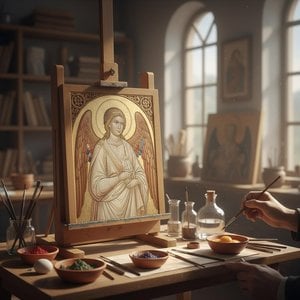
Unveil the sacred secrets of egg tempera on panel. Journey through the technical mastery and profound artistry of the Old Masters, from Giotto to Botticelli. An essential educational guide for Renaissance art enthusiasts seeking deep historical insight and expertise.
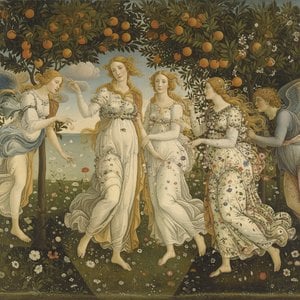
Explore the ethereal beauty of Sandro Botticelli's masterpieces. Delve into the profound symbolism, mythological grace, and technical mastery that define the Italian Renaissance through an expert art-historical lens.


 미리보기
미리보기
 공유하기
공유하기 공유하기
공유하기
 상세 정보
상세 정보 가이드 보기

 다운로드
다운로드
 유사 작품
유사 작품 X-레이
X-레이 슬라이드 쇼
 통계 정보
통계 정보

 더 보기
더 보기






































 유리 옵션은 110cm 미만 크기에서만 선택 가능합니다.


