
x


 Acrylic On CanvasWallArtEarly Renaissance
 1482Renaissance
 205.0 x 147.0 cm




























작품의 원본 비율을 유지하는 미리 설정된 크기 중에서 선택하세요.

특정 프레임이나 공간에 맞도록 직접 크기를 입력할 수 있습니다. 선택하신 크기가 원본 이미지의 비율과 일치하지 않는 경우, 작품을 자르거나 추가적인 손으로 그린 요소를 사용하여 그림을 확장합니다. 제작 시작 전 승인을 위해 디지털 목업을 보내드립니다.
화면 미리 보기는 실제 자르기 또는 확장을 반영하지 않습니다. 최종 구성은 목업을 통해서만 정확하게 확인하실 수 있습니다.
맞춤 크기 제작도 가능하지만, 원본 비율을 유지하기 위해 사전 정의된 목록에서 크기를 선택하시는 것을 권장합니다.

Pallas and Centaur
복제본 크기
In the heart of the Florentine Renaissance, where the light of humanism began to illuminate the shadows of the Middle Ages, Sandro Botticelli captured a profound psychological struggle in his 1482 masterpiece, Pallas and the Centaur. This is not merely a mythological tableau; it is a breathtaking visual dialogue between the civilized mind and the untamed spirit. As the viewer encounters this work, they are immediately drawn into a tension that feels remarkably modern—a tug-of-war between the noble pursuit of wisdom and the primal, often chaotic, impulses of human nature. The goddess Pallas Athena, draped in garments adorned with the subtle insignia of the Medici family, stands with an ethereal yet commanding grace, her presence acting as a stabilizing force against the wild energy of the centaur beneath her.
The composition is a masterclass in Renaissance balance, where Botticelli utilizes a shallow, almost stage-like space to focus our entire emotional attention on the central figures. The verticality of Pallas, holding her spear and shield with serene determination, creates a sense of divine order that cuts through the horizontal, earthy movement of the centaur. There is a rhythmic elegance to the way the artist guides the eye; one follows the flowing lines of the goddess's drapery down to the muscular, powerful form of the creature, only to be pulled back up by the upward gaze of the centaur himself. This circularity of motion ensures that the viewer remains locked in the drama of the encounter, feeling the weight of the struggle and the lightness of the triumph.
To behold a high-quality reproduction of this work is to appreciate the luminous depth achieved through Botticelli’s meticulous use of tempera on canvas. The artist employed layers of translucent pigment, a technique that allows light to penetrate the surface and reflect back, giving the skin of Pallas a pearlescent glow and the centaur's coat a rich, organic warmth. This luminosity is essential to the painting's impact; it elevates the scene from a mere mythological illustration to a spiritual allegory. Every brushstroke serves the purpose of defining character—the delicate, fine details of the plant shoots surrounding Pallas’s face suggest the blossoming of intellect, while the darker, more rugged textures of the centaur remind us of the unrefined earth.
Beyond its aesthetic splendor, the painting is a dense tapestry of meaning, making it an intellectually stimulating choice for collectors and designers alike. The centaur, a hybrid of man and beast, serves as a potent symbol for the feral instincts that reside within all humanity. Pallas, representing wisdom and virtue, acts as the necessary restraint upon these passions. For those looking to adorn a space with art that inspires contemplation, this piece offers a profound narrative of moral fortitude. It is an emblem of the victory of intellect over impulse, a theme that resonates deeply in any setting, from a private study to a sophisticated contemporary gallery. Owning a reproduction of such a significant work allows one to bring a piece of Florence's golden age into the modern home, fostering an atmosphere of grace, strength, and timeless wisdom.

1445 - 1510 , 이탈리아

Discover the profound beauty of Academic Classicism. Explore the principles of order, anatomical precision, and the enduring legacy of Neoclassical masters through this expert guide to timeless elegance and technical perfection in fine art.
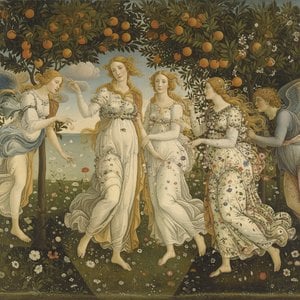
Explore the ethereal beauty of Sandro Botticelli's masterpieces. Delve into the profound symbolism, mythological grace, and technical mastery that define the Italian Renaissance through an expert art-historical lens.

Embark on a sophisticated journey through the history of classical sculpture. From Ancient Greek mastery to Renaissance bronze, discover the profound beauty and enduring legacy of the world's most iconic sculptural masterpieces.


최신 미술 뉴스, 특별 혜택 및 인테리어 아이디어를 가장 먼저 만나보세요.
프로젝트에 대해 알려주시면 저희 미술 전문가들이 맞춤형 아트 제안 3가지를 전달해 드립니다.
당신만을 위한 맞춤형 옵션 3가지를 무료로 추천해 드립니다!


 미리보기
미리보기
 프린트 구매
 공유하기
공유하기 공유하기
공유하기
 상세 정보
상세 정보

 다운로드
다운로드
 유사 작품
유사 작품 X-레이
X-레이 슬라이드 쇼
 더 보기
더 보기









 유리 옵션은 110cm 미만 크기에서만 선택 가능합니다.


