
 Tempera On PanelEarly Renaissance
 1490Renaissance
 21.0 x 269.0 cm
 우피치 미술관
빠른 제작과 다양한 마감 옵션을 제공하는 박물관 품질의 지클레이 또는 캔버스 프린트. ( 손으로 그린 그림 구매 디지털 이미지로 전환)





























작품의 원본 비율을 유지하는 미리 설정된 크기 중에서 선택하세요.

특정 프레임이나 공간에 맞춰 직접 치수를 입력하실 수 있습니다. 선택하신 사이즈가 원본 이미지의 비율과 일치하지 않을 경우, 작품을 크롭(자르기)하거나 이미지를 대칭 또는 단색 채우기로 확장하여 제작합니다. 제작 시작 전, 최종 확인을 위해 디지털 목업이 전송됩니다.
화면상의 미리보기는 실제 크롭이나 확장 상태를 반영하지 않으므로, 최종 구도는 오직 목업을 통해서만 정확하게 확인하실 수 있습니다.
맞춤 사이즈 제작도 가능하지만, 원본 비율을 유지하기 위해서는 사전 정의된 목록에서 치수를 선택하시는 것을 권장합니다.

Miracle of St Eligius
복제본 크기
In the quiet, hallowed corridors of the Galleria degli Uffizi, there exists a slender window into the spiritual fervor of the Italian Renaissance. Sandro Botticelli’s Miracle of St. Eligius, a delicate predella panel from the Altarpiece of St. Mark, invites viewers to step back into the year 1490. This is not merely a painting; it is a captured moment of divine intervention, rendered with the meticulous grace that defined Botticelli’s mastery. The scene unfolds within a dimly lit interior, where the boundaries between the earthly and the celestial seem to blur. As we gaze upon the composition, we find ourselves drawn into an intimate conversation involving St. Eligius, a figure of profound significance to the goldsmiths' guild, surrounded by attendants and a remarkably calm horse that anchors the room’s quiet tension.
The technique employed here—tempera on panel—is essential to the painting's ethereal quality. Unlike the heavy, oily textures of later eras, Botticelli’s use of tempera allows for a luminous, almost porcelain-like finish. Each stroke is deliberate, contributing to a clarity of form that makes the small-scale work feel expansive. The artist utilizes light and shadow with a sophisticated touch, casting soft glows upon the figures to create a sense of three-dimensional presence within the dark, arched confines of the room. This interplay of light does more than just define shape; it directs our emotional journey, pulling our eyes toward the central miracle: the saint at his anvil, working metal with a precision that mirrors his spiritual devotion.
Every element within this narrow frame serves a higher narrative purpose. St. Eligius, depicted with a distinctive red hat signifying his sanctity, is shown engaged in his craft. The presence of the hammer and the piece of metal under his hand speaks to his dual identity as both a skilled blacksmith and a holy man. This connection between manual labor and divine grace is a cornerstone of the painting's symbolism, making it particularly resonant for those who find beauty in craftsmanship and dedication. To his side, a woman in verdant green observes the scene, her gaze acting as a surrogate for our own wonder, bridging the gap between the historical miracle and the modern observer.
The inclusion of the horse, draped in a soft yellow blanket, adds a layer of unexpected tenderness to the composition. The animal’s calm demeanor suggests a world where nature itself is attuned to the presence of the divine. Even the seemingly mundane objects—the chairs, the cups, and the book tucked away to the side—contribute to an atmosphere of domestic sanctity. For the collector or interior designer, this piece offers more than just aesthetic beauty; it provides a narrative depth that can transform a space, turning a room into a sanctuary of contemplation and historical reverence.
Owning a reproduction of such a significant work is an opportunity to invite the elegance of the Florentine Renaissance into a contemporary setting. Whether placed in a curated gallery wall or serving as a focal point in a sophisticated study, a high-quality oil painting reproduction of The Miracle of St. Eligius captures the soul of Botticelli’s vision. The vibrant colors and the intricate details of the predella panel are preserved through meticulous hand-painting techniques, ensuring that the emotional weight of the original—the sense of awe, the quietude of the workshop, and the brilliance of the Renaissance spirit—is felt by all who encounter it.


1445 - 1510 , 이탈리아
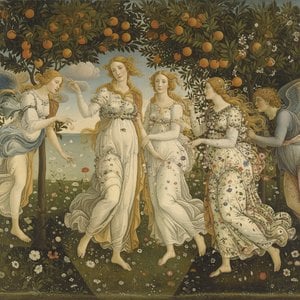
Explore the ethereal beauty of Sandro Botticelli's masterpieces. Delve into the profound symbolism, mythological grace, and technical mastery that define the Italian Renaissance through an expert art-historical lens.


 미리보기
미리보기
 공유하기
공유하기 공유하기
공유하기
 상세 정보
상세 정보 Guide
Guide

 다운로드
다운로드
 유사 작품
유사 작품 X-레이
X-레이 슬라이드 쇼
 통계 정보
통계 정보 더 보기
더 보기









 유리 옵션은 110cm 미만 크기에서만 선택 가능합니다.


