
원하는 크기와 액자로 주문 제작되는, 작가들이 직접 캔버스에 손으로 그린 유화 작품입니다. ( 프린트 판매로 전환 디지털 이미지로 전환)





























작품의 원본 비율을 유지하는 미리 설정된 크기 중에서 선택하세요.

특정 프레임이나 공간에 맞도록 직접 크기를 입력할 수 있습니다. 선택하신 크기가 원본 이미지의 비율과 일치하지 않는 경우, 작품을 자르거나 추가적인 손으로 그린 요소를 사용하여 그림을 확장합니다. 제작 시작 전 승인을 위해 디지털 목업을 보내드립니다.
화면 미리 보기는 실제 자르기 또는 확장을 반영하지 않습니다. 최종 구성은 목업을 통해서만 정확하게 확인하실 수 있습니다.
맞춤 크기 제작도 가능하지만, 원본 비율을 유지하기 위해 사전 정의된 목록에서 크기를 선택하시는 것을 권장합니다.

Madonna of the Book (Madonna del Libro)
복제본 크기
Sandro Botticelli's Madonna del Libro (Madonna of the Book) is a quintessential example of Early Renaissance devotional art, radiating a quiet grace and intellectual depth. This intimate portrayal of the Virgin Mary and infant Jesus invites contemplation on themes of motherhood, piety, and divine wisdom.
The painting depicts the Virgin Mary seated, gently holding the Christ Child while supporting an open book with her left hand. The composition is masterfully balanced, employing a pyramidal structure – a hallmark of Renaissance design – that lends stability and reverence to the scene. Mary’s gaze is directed towards the viewer, creating a personal connection, yet retains a sense of dignified composure. The dark, undefined background focuses all attention on the figures themselves, enhancing their ethereal presence.
Botticelli's distinctive style shines through in this work. He bridges the gap between the late Gothic and Early Renaissance periods with his emphasis on elegant linearity and graceful forms. The artist’s meticulous attention to detail is evident in the delicate rendering of Mary’s drapery, the soft features of both figures, and the subtle modeling of their faces. Botticelli employed oil paint in layers – a technique known as glazing – to build up color and luminosity, resulting in a rich, subtly nuanced surface.
Beyond its aesthetic beauty, Madonna del Libro is laden with symbolic meaning. The book held by Mary represents knowledge, wisdom, and the scriptures – emphasizing her role as an educated and devout figure. Often, depictions of Mary holding a book signify her understanding of prophecy and her acceptance of God’s will. A bowl of fruit, frequently included in Botticelli's Madonnas, symbolizes abundance, fertility, and the promise of salvation. The Christ Child himself embodies divine grace and hope for humanity.
Created during a period of significant artistic and intellectual flourishing in Florence, Madonna del Libro reflects the humanist ideals that permeated Renaissance society. Botticelli (1445-1510) was deeply influenced by the classical world and sought to reconcile Christian themes with ancient beauty standards. His work often features elegant figures and a refined aesthetic sensibility, appealing to the sophisticated tastes of his patrons.
This painting evokes a sense of peaceful contemplation and spiritual serenity. Its muted color palette and harmonious composition create a calming atmosphere, making it an ideal addition to spaces designed for reflection or meditation. The artwork’s classic Renaissance aesthetic lends itself well to both traditional and contemporary interiors, adding a touch of timeless elegance and intellectual sophistication. Madonna del Libro is not merely a beautiful image; it's a window into the heart of the Renaissance—a testament to faith, beauty, and the enduring power of art.


1445 - 1510 , 이탈리아

Explore the profound beauty of Marian iconography through an art historian's lens. Discover iconic masterpieces by Raphael and Renaissance masters, celebrating the divine grace and timeless elegance of the Virgin Mary in classical fine art.
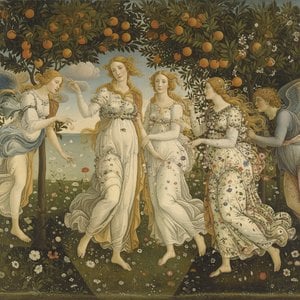
Explore the ethereal beauty of Sandro Botticelli's masterpieces. Delve into the profound symbolism, mythological grace, and technical mastery that define the Italian Renaissance through an expert art-historical lens.

Embark on a profound journey through art history with our exploration of the most iconic depictions of the Virgin Mary. Discover the divine grace, symbolism, and masterful techniques found in Renaissance masterpieces and sacred iconography.
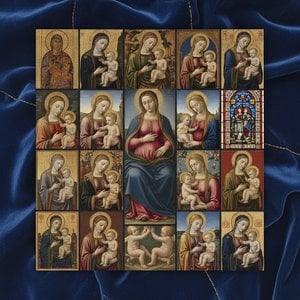
Embark on a sophisticated journey through art history with our curated guide to the most iconic Madonna and Child masterpieces. Discover the profound beauty, theological depth, and enduring legacy of these sacred Renaissance treasures.


 미리보기
미리보기
 공유하기
공유하기 공유하기
공유하기
 상세 정보
상세 정보

 다운로드
다운로드
 유사 작품
유사 작품 X-레이
X-레이 슬라이드 쇼
 통계 정보
통계 정보

 더 보기
더 보기









 유리 옵션은 110cm 미만 크기에서만 선택 가능합니다.


