
 Early Renaissance
 1469Renaissance
 120.0 x 65.0 cm
 우피치 미술관
원하는 크기와 액자로 주문 제작되는, 작가들이 직접 캔버스에 손으로 그린 유화 작품입니다. ( 프린트 판매로 전환 디지털 이미지로 전환)





























작품의 원본 비율을 유지하는 미리 설정된 크기 중에서 선택하세요.

특정 프레임이나 공간에 맞도록 직접 크기를 입력할 수 있습니다. 선택하신 크기가 원본 이미지의 비율과 일치하지 않는 경우, 작품을 자르거나 추가적인 손으로 그린 요소를 사용하여 그림을 확장합니다. 제작 시작 전 승인을 위해 디지털 목업을 보내드립니다.
화면 미리 보기는 실제 자르기 또는 확장을 반영하지 않습니다. 최종 구성은 목업을 통해서만 정확하게 확인하실 수 있습니다.
맞춤 크기 제작도 가능하지만, 원본 비율을 유지하기 위해 사전 정의된 목록에서 크기를 선택하시는 것을 권장합니다.

Madonna in Glory with Seraphim
복제본 크기
This exquisite hand-painted reproduction captures the ethereal beauty of Sandro Botticelli’s iconic 1469 painting, "Madonna in Glory with Seraphim." Originally conceived during a pivotal moment in the Florentine Renaissance, this work embodies the era's profound spiritual and artistic sensibilities. The image depicts the Virgin Mary, radiating serenity and divine grace, holding the infant Christ – a scene rich in symbolism and deeply resonant with religious devotion.
Botticelli’s signature style is immediately recognizable: elongated figures, flowing drapery, and an almost dreamlike quality. In "Madonna in Glory," this is brilliantly realized. Note the delicate rendering of Mary's robes, the graceful curve of her posture, and the luminous effect achieved through layered glazes – a technique perfected by Botticelli himself. The influence of Fra Filippo Lippi, Botticelli’s early teacher, is evident in the emphasis on elegant lines and a sense of serene composure. This painting showcases his mastery of tempera paint, allowing for subtle gradations of color and an unparalleled level of detail.
The composition itself is laden with symbolic meaning. Mary’s enthronement upon clouds signifies her divine status as Queen of Heaven. The seraphim – angelic beings with six wings – surrounding her represent God's radiant glory and protection. The cruciform nimbus encircling the Christ Child immediately establishes his sacred role, foreshadowing his future sacrifice. Botticelli masterfully conveys the tension between Mary’s maternal love and her awareness of the suffering that awaits her son. The gaze of the infant Jesus, direct and engaging, invites a profound connection with the viewer – a timeless representation of innocence and divine grace.
Painted around 1470, this work reflects the burgeoning humanist movement in Florence, which sought to reconcile classical ideals with Christian faith. Botticelli’s art was deeply influenced by both Greek mythology (evident in the idealized beauty of his figures) and the latest developments in religious iconography. This painting is a testament to the artistic innovation of the early Renaissance, showcasing a shift away from the rigid formality of medieval art towards a more naturalistic and emotionally expressive style. It’s a remarkable example of how Botticelli used visual language to communicate complex theological ideas with profound beauty and emotional power – a legacy that continues to inspire awe centuries later.


1445 - 1510 , 이탈리아

Explore the profound mastery of fresco painting, from the technical alchemy of buon fresco to the legendary narratives of Renaissance masters like Ghirlandaio. Discover how this timeless medium shaped art history and continues to inspire architectural grandeur today.
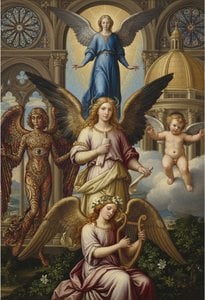
Explore the profound beauty of angelic figures in art history. From Renaissance masterpieces to celestial symbolism, our expert guide offers a sophisticated journey through the divine imagery of the Old Masters for discerning collectors and art enthusiasts.
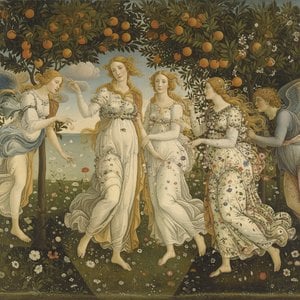
Explore the ethereal beauty of Sandro Botticelli's masterpieces. Delve into the profound symbolism, mythological grace, and technical mastery that define the Italian Renaissance through an expert art-historical lens.

Discover the timeless art of fresco painting. Explore the profound history, technical mastery of buon fresco, and the enduring legacy of Renaissance masters like Michelangelo in this expert guide to painting on wet plaster.

Embark on a sophisticated journey through the eternal allure of mythological art. Discover how master painters breathe life into ancient legends, from Greek deities to Baroque masterpieces, and learn to curate these timeless narratives within your own exquisite art collection.


 미리보기
미리보기
 공유하기
공유하기 공유하기
공유하기
 상세 정보
상세 정보 가이드 보기

 다운로드
다운로드
 유사 작품
유사 작품 X-레이
X-레이 슬라이드 쇼
 통계 정보
통계 정보 더 보기
더 보기









 유리 옵션은 110cm 미만 크기에서만 선택 가능합니다.


