
원하는 크기와 액자로 주문 제작되는, 작가들이 직접 캔버스에 손으로 그린 유화 작품입니다. ( 프린트 판매로 전환 디지털 이미지로 전환)





























작품의 원본 비율을 유지하는 미리 설정된 크기 중에서 선택하세요.

특정 프레임이나 공간에 맞도록 직접 크기를 입력할 수 있습니다. 선택하신 크기가 원본 이미지의 비율과 일치하지 않는 경우, 작품을 자르거나 추가적인 손으로 그린 요소를 사용하여 그림을 확장합니다. 제작 시작 전 승인을 위해 디지털 목업을 보내드립니다.
화면 미리 보기는 실제 자르기 또는 확장을 반영하지 않습니다. 최종 구성은 목업을 통해서만 정확하게 확인하실 수 있습니다.
맞춤 크기 제작도 가능하지만, 원본 비율을 유지하기 위해 사전 정의된 목록에서 크기를 선택하시는 것을 권장합니다.

Madonna and Child with Six Saints
복제본 크기
Sandro Botticelli's Madonna and Child with Six Saints, a cornerstone of the Early Renaissance, isn’t merely a depiction of the Virgin Mary and infant Jesus; it’s a carefully constructed tableau brimming with symbolic weight and artistic innovation. Created around 1470 and now residing within the hallowed halls of the Galleria degli Uffizi in Florence, this painting transcends its devotional subject matter to become a profound meditation on faith, power, and the burgeoning humanist ideals of the era. Botticelli masterfully blends elements of late Gothic tradition with the emerging stylistic freedoms of the Renaissance, creating an image that is both deeply spiritual and strikingly human.
The scene unfolds within a richly imagined church setting – a space deliberately designed to elevate the figures and imbue them with an aura of sanctity. Botticelli’s genius lies not just in his technical skill but in his ability to infuse every detail with meaning. The composition is carefully balanced, drawing the eye towards Mary and Christ while simultaneously showcasing the presence of six prominent saints: Mary Magdalene, John the Baptist, Francis of Assisi, Catherine of Alexandria, Cosmas and Damian – each a figure representing different facets of Christian virtue and patronage. Notice how Botticelli doesn’t simply list these figures; he integrates them seamlessly into the narrative, suggesting a community united in devotion.
Botticelli's technique is characterized by an exquisite balance between elegance and dynamism. He employs a delicate palette—muted blues, greens, and golds—that evokes a sense of serenity and luminosity. The figures are rendered with flowing lines and graceful poses, reflecting the influence of late Gothic art while simultaneously embracing the Renaissance emphasis on naturalism. The drapery is particularly noteworthy; it’s not merely decorative but serves to create depth and volume, adding to the painting's overall richness. Observe how Botticelli uses light and shadow to sculpt the forms, giving them a tangible presence.
Furthermore, Botticelli demonstrates an innovative approach to perspective—a key development of the Renaissance. While not fully adhering to mathematical principles, he creates a convincing illusion of depth through careful arrangement of figures and objects. The chair on the left, the cup in the center, and the vase on the right all contribute to this spatial awareness, drawing the viewer into the scene.
The Madonna and Child with Six Saints was likely commissioned by Lorenzo il Magnifico, a powerful and influential figure in Florence’s political landscape. Lorenzo, a fervent patron of the arts, sought to elevate his own prestige and demonstrate his commitment to fostering artistic excellence within the city. The painting's subject matter—a depiction of Mary and Christ—was highly popular during this period, and its inclusion of prominent saints served as a subtle yet effective means of asserting Lorenzo’s authority and influence. The choice of these particular saints also reflects the political climate of Florence, where patronage often involved aligning oneself with specific religious figures.
Interestingly, some scholars believe that the kneeling figures of Cosmas and Damian—patrons of the Medici family—are subtly incorporated into the composition, further solidifying Lorenzo’s connection to this influential lineage. This detail adds another layer of complexity to the painting's historical significance, transforming it from a simple devotional image into a complex statement about power, faith, and patronage.
Botticelli’s masterpiece is a testament to his artistic genius and a vital window into the heart of the Early Renaissance. Today, reproductions of this iconic painting are available through WahooArt, allowing art enthusiasts to bring this timeless beauty into their own homes. These handmade oil paintings meticulously recreate Botticelli’s original techniques and colors, ensuring that you experience the full impact of his artistic vision. Consider how a reproduction would complement your interior design—its serene palette and elegant composition will undoubtedly add a touch of Renaissance sophistication to any space.
For more information on Botticelli's life, work, and the Galleria degli Uffizi, please visit Sandro Botticelli on WahooArt and Galleria degli Uffizi, Florence Italy.


1445 - 1510 , 이탈리아

Explore the profound iconography of Saint Jerome through art history's most iconic masterpieces. From Renaissance serenity to Baroque drama, discover how legendary painters captured divine devotion in breathtaking oil paintings and fine art reproductions.

Discover the profound beauty of Saint Artworks. Explore the history, symbolism, and luminous mastery of Renaissance religious masterpieces through an expert art-historical lens.

Embark on a sophisticated journey through art history with our exploration of Saint Peter's most powerful masterpieces. Discover the profound emotional depth and technical brilliance of Renaissance and Baroque icons, curated for the discerning classic art enthusiast.
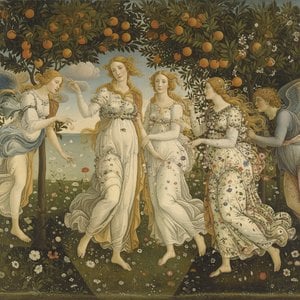
Explore the ethereal beauty of Sandro Botticelli's masterpieces. Delve into the profound symbolism, mythological grace, and technical mastery that define the Italian Renaissance through an expert art-historical lens.
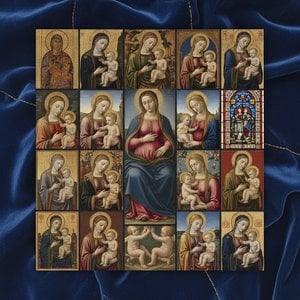
Embark on a sophisticated journey through art history with our curated guide to the most iconic Madonna and Child masterpieces. Discover the profound beauty, theological depth, and enduring legacy of these sacred Renaissance treasures.


 미리보기
미리보기
 공유하기
공유하기 공유하기
공유하기
 상세 정보
상세 정보 가이드 보기

 다운로드
다운로드
 유사 작품
유사 작품 X-레이
X-레이 슬라이드 쇼
 통계 정보
통계 정보

 더 보기
더 보기









 유리 옵션은 110cm 미만 크기에서만 선택 가능합니다.


