

빠른 제작과 다양한 마감 옵션을 제공하는 박물관 품질의 지클레이 또는 캔버스 프린트. ( 손으로 그린 그림 구매 Switch to Digital Image)





























작품의 원본 비율을 유지하는 미리 설정된 크기 중에서 선택하세요.

특정 프레임이나 공간에 맞춰 직접 치수를 입력하실 수 있습니다. 선택하신 사이즈가 원본 이미지의 비율과 일치하지 않을 경우, 작품을 크롭(자르기)하거나 이미지를 대칭 또는 단색 채우기로 확장하여 제작합니다. 제작 시작 전, 최종 확인을 위해 디지털 목업이 전송됩니다.
화면상의 미리보기는 실제 크롭이나 확장 상태를 반영하지 않으므로, 최종 구도는 오직 목업을 통해서만 정확하게 확인하실 수 있습니다.
맞춤 사이즈 제작도 가능하지만, 원본 비율을 유지하기 위해서는 사전 정의된 목록에서 치수를 선택하시는 것을 권장합니다.

Madonna And Child
복제본 크기
Sandro Botticelli’s “Madonna and Child,” a work shrouded in the quiet beauty of the Early Renaissance, is more than just a depiction of Mary nursing Jesus; it’s a profound meditation on love, faith, and the divine. Born Alessandro di Mariano Filipepi around 1445 in Florence, Botticelli’s artistic journey was deeply intertwined with the city's burgeoning cultural landscape – a world of powerful families like the Medici and a fervent embrace of classical ideals. This particular painting, likely created between 1486 and 1490, exemplifies his signature style: an elegant grace combined with a subtle, almost melancholic beauty that continues to captivate viewers centuries later.
The composition itself is remarkably balanced. Mary, rendered in soft, luminous tones of blue and gold, sits serenely, her gaze fixed on the infant Jesus nestled securely in her arms. The architectural setting – a simple, arched niche reminiscent of Byzantine iconography – provides a subtle backdrop, drawing attention to the central figures without overwhelming them. Notice how Botticelli deliberately flattens the perspective, a characteristic of Renaissance painting that creates a sense of depth through layering and receding planes. This isn’t a dramatic, three-dimensional space; instead, it's an invitation to contemplate the scene with quiet reverence.
Botticelli’s mastery lies in his meticulous technique – particularly his use of oil paint applied in thin, translucent layers known as glazing. This method allowed him to build up rich colors gradually, creating a luminous effect that seems to emanate from within the painting itself. The deep blues of Mary's robes contrast beautifully with the warmer tones of Jesus’ skin and the delicate folds of her drapery. Observe how he expertly renders the textures – the smoothness of the fabrics, the softness of the baby’s cheek – all achieved through careful observation and a profound understanding of materials.
Beyond its aesthetic beauty, “Madonna and Child” is rich in symbolic meaning. The architectural setting, echoing the grand spaces of Byzantine churches, subtly connects the scene to a broader spiritual tradition. The distant cityscape glimpsed through the arched openings represents the earthly realm, reminding us that even within this intimate portrayal of maternal love, there’s an awareness of the larger world and its complexities. Furthermore, the image embodies the central theme of Christian iconography: the nurturing love of Mary for her son – a powerful symbol of divine grace and redemption.
The inclusion of Saint John the Baptist, depicted as a small child in the lower left corner, adds another layer of significance. He represents innocence, faith, and the promise of salvation. Botticelli’s careful attention to detail—the delicate folds of Mary's garments, the serene expression on Jesus’ face—all contribute to the painting’s profound emotional impact. It is a work that invites contemplation, offering viewers a moment of quiet connection with timeless themes of love, faith, and beauty.
Botticelli's "Madonna and Child" stands as a testament to the artist's extraordinary talent and his pivotal role in shaping the course of Renaissance art. Reproductions by WahooArt.com offer an unparalleled opportunity to experience the beauty and depth of this iconic masterpiece, bringing its serene atmosphere and symbolic richness into your home or office. Explore our collection today and immerse yourself in the timeless allure of Botticelli’s vision.


1445 - 1510 , 이탈리아

Explore the profound beauty of Marian iconography through an art historian's lens. Discover iconic masterpieces by Raphael and Renaissance masters, celebrating the divine grace and timeless elegance of the Virgin Mary in classical fine art.

Elevate your collection with the tactile elegance of hand-painted oil masterpieces. From bespoke reproductions to custom portraits from photography, discover museum-quality artistry crafted by academy-trained experts for discerning collectors and designers worldwide.
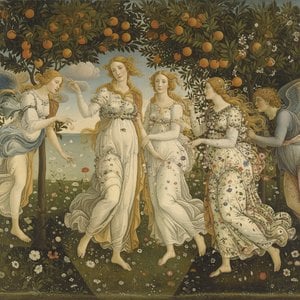
Explore the ethereal beauty of Sandro Botticelli's masterpieces. Delve into the profound symbolism, mythological grace, and technical mastery that define the Italian Renaissance through an expert art-historical lens.

Discover the profound allure of oil on canvas. Explore the mastery of impasto textures, the science of pigment longevity, and expert guides to selecting museum-quality reproductions that elevate your collection with timeless elegance and tactile depth.

Embark on a profound journey through art history with our exploration of the most iconic depictions of the Virgin Mary. Discover the divine grace, symbolism, and masterful techniques found in Renaissance masterpieces and sacred iconography.

 미리보기
미리보기
 공유하기
공유하기 공유하기
공유하기
 상세 정보
상세 정보

 다운로드
다운로드
 유사 작품
유사 작품 X-레이
X-레이 슬라이드 쇼
 Stats
Stats

 더 보기
더 보기









 유리 옵션은 110cm 미만 크기에서만 선택 가능합니다.


