
원하는 크기와 액자로 주문 제작되는, 작가들이 직접 캔버스에 손으로 그린 유화 작품입니다. ( 프린트 판매로 전환 디지털 이미지로 전환)





























작품의 원본 비율을 유지하는 미리 설정된 크기 중에서 선택하세요.

특정 프레임이나 공간에 맞도록 직접 크기를 입력할 수 있습니다. 선택하신 크기가 원본 이미지의 비율과 일치하지 않는 경우, 작품을 자르거나 추가적인 손으로 그린 요소를 사용하여 그림을 확장합니다. 제작 시작 전 승인을 위해 디지털 목업을 보내드립니다.
화면 미리 보기는 실제 자르기 또는 확장을 반영하지 않습니다. 최종 구성은 목업을 통해서만 정확하게 확인하실 수 있습니다.
맞춤 크기 제작도 가능하지만, 원본 비율을 유지하기 위해 사전 정의된 목록에서 크기를 선택하시는 것을 권장합니다.

Madonna And Child
복제본 크기
Sandro Botticelli, a name synonymous with the grace and ethereal beauty of the Early Renaissance, gifted the world with numerous depictions of the Virgin Mary and the Christ Child. While specific details regarding this particular “Madonna and Child” remain elusive – its exact date and current location not widely documented – it embodies all the hallmarks of Botticelli’s distinctive style and deeply resonant thematic concerns. The image presents a profoundly intimate scene: Mary, tenderly cradling her infant son, appears to be offering him nourishment, a gesture brimming with maternal love and divine sacrifice. This is not merely a portrayal of motherhood; it's an evocation of the very foundation of Christian belief – the incarnation of God in human form.
Born Alessandro di Mariano Filipepi in Florence around 1445, Botticelli flourished during a period of immense artistic and intellectual ferment. The city was a crucible of humanist thought, rediscovering the classical ideals of ancient Greece and Rome. While deeply rooted in Christian iconography, Botticelli’s work subtly reflects this renewed interest in antiquity. His figures possess an elegant linearity reminiscent of classical sculpture, yet they are imbued with a uniquely Florentine sensibility – a delicate grace and emotional depth. The presence of books scattered throughout the scene is particularly noteworthy. In Renaissance Florence, books were symbols of knowledge, learning, and spiritual enlightenment. Their inclusion suggests that this Madonna and Child isn’t simply a devotional image but also an affirmation of the importance of faith and intellect working in harmony.
Botticelli was a master of symbolism, imbuing his paintings with layers of meaning accessible to those familiar with Renaissance iconography. The act of nursing itself is rich in symbolic weight, representing not only Mary’s maternal role but also the nourishment – both physical and spiritual – that Christ offers humanity. The figures visible in the background, though somewhat indistinct, likely represent witnesses to this sacred moment or perhaps even donors who commissioned the work. Botticelli's use of color, while delicate, is carefully considered. The soft hues contribute to the overall sense of serenity and piety, drawing the viewer into a contemplative space. More than just technical skill, it’s the emotional impact that truly sets Botticelli apart. His Madonnas are not remote or idealized figures; they possess a human vulnerability and tenderness that resonates deeply with viewers across centuries.
The enduring appeal of Botticelli's “Madonna and Child” lies in its ability to transcend time and cultural boundaries. A hand-painted reproduction of this artwork brings a touch of Renaissance elegance and spiritual depth into any interior. The painting’s soft palette complements a variety of décor styles, from traditional to contemporary. Its intimate scale makes it suitable for both private devotional spaces and more public areas, offering a moment of quiet contemplation amidst the bustle of modern life. For collectors, owning a reproduction allows appreciation of Botticelli's genius without the constraints of rarity or cost. It’s an opportunity to invite beauty, history, and profound meaning into one’s home.


1445 - 1510 , 이탈리아
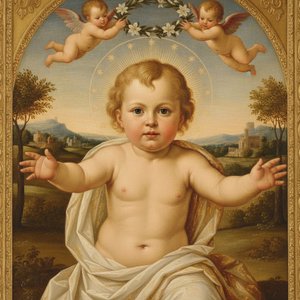
Explore the profound beauty of Baby Jesus in fine art history. From Raphael's Renaissance masterpieces to symbolic light, discover how classical painters captured divine innocence through masterful technique and sacred iconography.
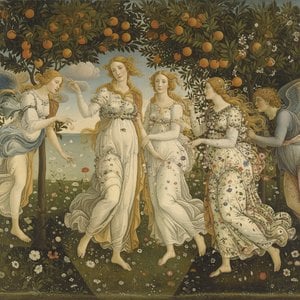
Explore the ethereal beauty of Sandro Botticelli's masterpieces. Delve into the profound symbolism, mythological grace, and technical mastery that define the Italian Renaissance through an expert art-historical lens.
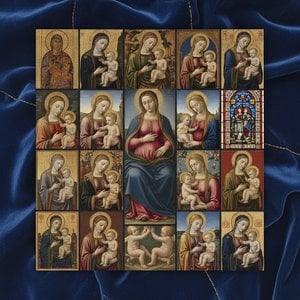
Embark on a sophisticated journey through art history with our curated guide to the most iconic Madonna and Child masterpieces. Discover the profound beauty, theological depth, and enduring legacy of these sacred Renaissance treasures.


 미리보기
미리보기
 공유하기
공유하기 공유하기
공유하기
 상세 정보
상세 정보

 다운로드
다운로드
 유사 작품
유사 작품 X-레이
X-레이 슬라이드 쇼
 통계 정보
통계 정보

 더 보기
더 보기









 유리 옵션은 110cm 미만 크기에서만 선택 가능합니다.


