
빠른 제작과 다양한 마감 옵션을 제공하는 박물관 품질의 지클레이 또는 캔버스 프린트. ( 손으로 그린 그림 구매 디지털 이미지로 전환)





























작품의 원본 비율을 유지하는 미리 설정된 크기 중에서 선택하세요.

특정 프레임이나 공간에 맞춰 직접 치수를 입력하실 수 있습니다. 선택하신 사이즈가 원본 이미지의 비율과 일치하지 않을 경우, 작품을 크롭(자르기)하거나 이미지를 대칭 또는 단색 채우기로 확장하여 제작합니다. 제작 시작 전, 최종 확인을 위해 디지털 목업이 전송됩니다.
화면상의 미리보기는 실제 크롭이나 확장 상태를 반영하지 않으므로, 최종 구도는 오직 목업을 통해서만 정확하게 확인하실 수 있습니다.
맞춤 사이즈 제작도 가능하지만, 원본 비율을 유지하기 위해서는 사전 정의된 목록에서 치수를 선택하시는 것을 권장합니다.

Calumny (detail)3
복제본 크기
In the quiet intensity of Sandro Botticelli’s Calumny, we are invited into a world where the air itself feels heavy with accusation and whispered secrets. This evocative detail captures a moment frozen in time, a dramatic confrontation that serves as a window into the turbulent soul of Renaissance Florence. At its heart lies a man, perhaps bearing the weight of a crown, subjected to the piercing gaze and relentless judgment of a surrounding throng. The scene is not merely a depiction of conflict; it is a psychological landscape where the boundaries between private torment and public humiliation blur, creating an atmosphere of profound tension that continues to captivate viewers centuries after its creation.
The composition breathes with a sense of orchestrated chaos, yet it is held together by Botticelli’s unparalleled mastery of line and form. As one observes the figures gathered around the central protagonist, there is a palpable sense of movement—the leaning bodies, the accusing gestures, and the watchful eyes of those standing in the periphery. The presence of seemingly mundane objects, such as a solitary chair or a bowl tucked into the corner, grounds this high drama in a tangible, domestic reality, making the unfolding scandal feel disturbingly intimate. For the discerning collector, this piece offers more than just visual beauty; it provides a narrative depth that transforms any space into a gallery of historical reflection.
To look closely at Calumny is to witness the pinnacle of Botticelli’s signature technique. Eschewing the heavy, muscular shadows of his contemporaries, Botticelli employs a luminous, pastel palette that lends the work an almost otherworldly glow. Through the meticulous application of glazes—thin, translucent layers of pigment—he achieves a depth of color that seems to radiate from within the panel itself. His use of delicate, flowing lines defines the intricate folds of drapery and the expressive, often melancholic, features of his subjects with a grace that is uniquely his own.
The palette, dominated by soft creams, pale yellows, and ethereal blues, works in subtle harmony with the subject matter. Rather than using harsh contrasts to denote conflict, Botticelli uses these muted hues to heighten the sense of melancholy and psychological complexity. This delicate approach ensures that even the most intense moments of accusation are rendered with a poetic elegance. For interior designers seeking to introduce a sense of sophisticated calm paired with intellectual intrigue, the soft luminosity of this work provides an exquisite focal point that complements both classical and contemporary settings.
Beyond its aesthetic brilliance, Calumny is a profound historical document, reflecting the political instability of late 15th-century Florence. Painted during a period of shifting allegiances and intense scrutiny under the influence of the Medici family, the work likely mirrors the real-world scandals and accusations of corruption that haunted the era's most powerful figures. The figures in the painting are not mere archetypes; they embody the very essence of social anxiety, representing the fear of losing one's honor to the venomous spread of false rumors.
This layer of historical symbolism imbues the artwork with a timeless emotional resonance. The struggle against injustice and the vulnerability of the individual in the face of public opinion are themes that remain strikingly relevant today. Owning a high-quality reproduction of this masterpiece allows one to possess a piece of history that speaks to the enduring human condition. It is an investment in art that does not merely decorate a wall but invites conversation, contemplation, and a deep connection to the dramatic legacy of the Italian Renaissance.


1445 - 1510 , 이탈리아
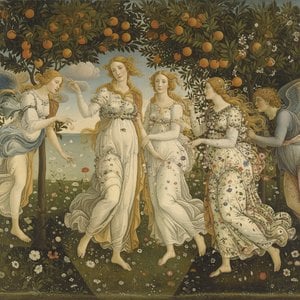
Explore the ethereal beauty of Sandro Botticelli's masterpieces. Delve into the profound symbolism, mythological grace, and technical mastery that define the Italian Renaissance through an expert art-historical lens.

Explore the ethereal beauty of pastel art. Discover how Impressionist masters used soft hues and velvety textures to capture light. A professional guide for art enthusiasts seeking to understand, collect, and appreciate the delicate magic of this timeless medium.


 미리보기
미리보기
 공유하기
공유하기 공유하기
공유하기
 상세 정보
상세 정보 가이드 보기

 다운로드
다운로드
 유사 작품
유사 작품 X-레이
X-레이 슬라이드 쇼
 통계 정보
통계 정보

 더 보기
더 보기









 유리 옵션은 110cm 미만 크기에서만 선택 가능합니다.


