
원하는 크기와 액자로 주문 제작되는, 작가들이 직접 캔버스에 손으로 그린 유화 작품입니다. ( 프린트 판매로 전환 디지털 이미지로 전환)





























작품의 원본 비율을 유지하는 미리 설정된 크기 중에서 선택하세요.

특정 프레임이나 공간에 맞도록 직접 크기를 입력할 수 있습니다. 선택하신 크기가 원본 이미지의 비율과 일치하지 않는 경우, 작품을 자르거나 추가적인 손으로 그린 요소를 사용하여 그림을 확장합니다. 제작 시작 전 승인을 위해 디지털 목업을 보내드립니다.
화면 미리 보기는 실제 자르기 또는 확장을 반영하지 않습니다. 최종 구성은 목업을 통해서만 정확하게 확인하실 수 있습니다.
맞춤 크기 제작도 가능하지만, 원본 비율을 유지하기 위해 사전 정의된 목록에서 크기를 선택하시는 것을 권장합니다.

Calumny (detail)2
복제본 크기
Sandro Botticelli’s “Calumny of Apelles,” housed within the Galleria Nazionale di Palazzo Barberini in Rome, stands as a haunting testament to artistic vulnerability and the devastating consequences of unfounded accusations. Painted circa 1475-1480 during Botticelli's formative years under Lorenzo de Medici’s patronage—a period marked by burgeoning humanist ideals and fervent artistic ambition—the painting transcends mere depiction; it embodies an emotional core that continues to resonate with viewers centuries later.
The subject matter itself is deliberately unsettling. It portrays Apelles, the celebrated Athenian painter renowned for his unparalleled skill and mastery of technique, confronted by a woman draped in black robes. This woman—often interpreted as Venus incarnate—is depicted weeping profusely, her grief palpable despite the lack of explicit narrative context. The scene unfolds with agonizing slowness, capturing the profound sorrow experienced by Apelles at the betrayal of his reputation.
The historical context illuminates the painting’s significance within the intellectual landscape of Renaissance Florence. Apelles’ reputation had been deliberately tarnished by Pamphilus, a rival painter who falsely claimed that Apelles had depicted Pamphilus in an unflattering portrait. This act of slander—a deliberate attempt to undermine Apelles' artistic prestige—became the catalyst for Botticelli’s poignant meditation on betrayal and suffering.
Symbolism permeates every element of “Calumny of Apelles.” The black robes symbolize mourning and grief, while Venus’ weeping embodies the profound emotional impact of injustice. The woman’s posture conveys a sense of helplessness and despair—a reflection of Apelles' predicament as he confronts the devastating consequences of false accusations. Botticelli skillfully utilizes visual cues to communicate complex psychological states, elevating the painting beyond a simple narrative illustration.
Ultimately, “Calumny of Apelles” transcends its biographical origins to explore universal themes of grief, betrayal, and artistic integrity. It serves as a powerful reminder that even the most brilliant minds are susceptible to human failings—and that true artistry lies not merely in technical prowess but also in conveying profound emotional truths. Its enduring appeal stems from Botticelli’s ability to capture the agonizing beauty of sorrow—a masterpiece destined to inspire contemplation and admiration for generations to come.


1445 - 1510 , 이탈리아

Discover the profound beauty of Academic Classicism. Explore the principles of order, anatomical precision, and the enduring legacy of Neoclassical masters through this expert guide to timeless elegance and technical perfection in fine art.
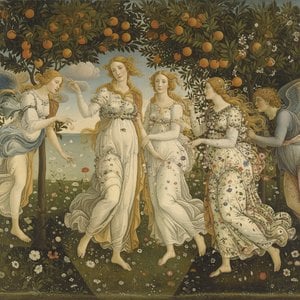
Explore the ethereal beauty of Sandro Botticelli's masterpieces. Delve into the profound symbolism, mythological grace, and technical mastery that define the Italian Renaissance through an expert art-historical lens.

Discover the profound elegance of Neoclassicism. Explore how the pursuit of order, symmetry, and Greco-Roman ideals created a timeless aesthetic for collectors seeking grandeur and intellectual depth in fine art and architecture.

Explore the profound elegance of Baroque Classicism. Discover how masters fused dramatic chiaroscuro with structured order to redefine art history through light, shadow, and emotional grandeur.


 미리보기
미리보기
 공유하기
공유하기 공유하기
공유하기
 상세 정보
상세 정보

 다운로드
다운로드
 유사 작품
유사 작품 X-레이
X-레이 슬라이드 쇼
 통계 정보
통계 정보

 더 보기
더 보기









 유리 옵션은 110cm 미만 크기에서만 선택 가능합니다.


