

이 페이지에 표시된 작품은 저작권법의 보호를 받으며, 이에 따라 동일한 복제품을 제작하거나 판매하는 것은 법으로 금지되어 있습니다. 이러한 권리 보호는 다음과 같은 국제 협약에 따라 시행됩니다. 베른 협약 또한 다음에서 명시하는 법률을 포함한 국내법에 의해 보호됩니다. 미국 저작권법 제17조.
이 방식은 저작권 보호를 받는 예술 작품을 복제하거나 그대로 재현하는 것이 아니기에 저작권 규정을 완벽히 준수합니다. 대신, 이는 창의적인 재해석의 과정을 거칩니다. 즉, 원작에서 영감을 받되 원작과 동일하지 않은 새로운 회화 작품을 의미합니다.
빠른 제작과 다양한 마감 옵션을 제공하는 박물관 수준의 지클레이 및 캔버스 프린트. ( 수작업 채색 복제본 주문하기 디지털 이미지로 전환)
작품의 원본 비율을 그대로 유지하는 프리셋 사이즈 중에서 선택해 보세요.

액자나 벽면 크기에 맞춰 필요한 가로와 세로 길이를 입력해 주세요. 프린트는 원본 이미지보다 크게 제작할 수 없으며 오직 자르는 것만 가능하므로, 비율이 다른 사이즈를 선택할 경우 이미지의 일부가 잘려 나갈 수 있습니다. 인쇄 작업에 들어가기 전, 최종 확인을 위해 디지털 목업을 보내드립니다. 이 페이지에 표시된 이미지는 실제 잘리는 영역을 나타내지 않으며, 오직 목업을 통해서만 정확한 확인이 가능합니다.
Invisibile
복제본 크기
In 1947, Salvatore Ferragamo introduced "Invisibile," a design that challenged the structural conventions of mid-century footwear. The work, also known as the Invisible Sandal, emerged from the Italian designer's pursuit of anatomical innovation and material experimentation. It features a distinctive under-cut wedge heel, a sculptural form known as the F-heel.
The construction of "Invisibile" by Salvatore Ferragamo relied on the use of transparent nylon monofilament. This material was threaded through the insole to create the upper, a technique that dematerialized the traditional silhouette of the shoe. This specific approach to construction earned the designer the Neiman Marcus Award for Distinguished Services in 1947.
The design relies on a striking interplay between solid structure and transparency. Sleek black leather straps provide a dark, grounded foundation, while silver straps introduce a sense of sophistication through subtle metallic contrast. This interplay is heightened by the use of a continuous length of nylon monofilament. This thread passes through holes in the insole to construct the upper, creating a visual effect that dematerializes the shoe's structure.
The silhouette is defined by a distinctive F-shaped wooden wedge heel. This under-cut sole, inspired by the stern of an ocean liner, provides a sculptural, architectural quality to the footwear. The dimensions of the piece are 14cm in height, 8.5cm in width, and 23.5cm in length.
The construction of the sandal relies on a specialized use of nylon monofilament. A continuous length of this transparent nylon fishing line passes through holes in the insole, creating the upper structure. This technique allows the material to appear nearly invisible, dematerializing the traditional silhouette of the shoe. The upper is further composed of leather, specifically utilizing suede and calfskin to provide substance to the design.
The foundation of the footwear is an under-cut wedge heel, often referred to as the F-heel. This component is carved from wood and takes an undulating shape inspired by the stern of an ocean liner. The integration of rigid wooden elements with the flexible, translucent nylon creates a structural contrast between the solid base and the lightweight upper.
Created during World War II and the immediate post-war period, the design reflects the anxieties of an era defined by scarcity and uncertainty. The use of metallic leather was a deliberate choice to dematerialize the remaining structure of the shoe, creating an illusion of lightness. This approach represented a bold departure from traditional leather construction, utilizing unconventional materials to navigate the limitations of the time.
The work marks a milestone in the history of fashion. By integrating transparent nylon monofilament with sculptural forms, the design challenged established manufacturing practices. It transformed footwear from a purely functional object into a study of structural innovation and material experimentation.
Examples of this design are held in several prominent international institutions. The Brooklyn Museum Costume Collection at The Metropolitan Museum of Art possesses a pair, which was a gift of Mrs. R. L. Gilpatric in 1960. This specific acquisition is part of the Brooklyn Museum Costume Collection.
Other versions of the sandal are preserved in specialized collections. The Victoria and Albert Museum in London holds a pair, while the Kyoto Costume Institute in Kyoto maintains a version of the footwear. These holdings reflect the global presence of Ferragamo's mid-century innovations.
Ferragamo’s output spans various sculptural and functional forms, ranging from early prototypes to later experimental designs. His early career included the creation of the Prototipo di décolleté, dating to about 1929. This period of experimentation continued into the late 1930s with the Prototipo di sandalo in 1938.
The artist's later repertoire includes the 1952 Sandal, which emphasizes high-level craftsmanship. Beyond traditional footwear, his creative scope extended to sculptural objects, such as the Pollicino, a shoe sculpture characterized by Pop Art influences.
"Invisibile"은(는) leather sandals, silver straps, shoemaking, hollywood glamour, italian design, sculptural shoes, salvatore ferragamo을(를) 묘사하고 있는 반면, 살바토레 페라가모의 기존 주제들은 italian craftsmanship, hollywood style, luxury footwear, sculptural design, ferragamo legacy입니다. 이 두 가지를 비교해 보면 해당 작품이 작가의 통상적인 소재와 어떻게 연관되는지 알 수 있습니다.
살바토레 페라가모의 "Invisibile"의 휘도는 Luminous입니다. 휘도는 색상이 빛을 얼마나 반사하는지를 나타냅니다.
"Invisibile"의 가상 배치 미리보기 페이지에서는 주문 전 작품을 미리 확인할 수 있습니다.

1898 - 1960 , 이탈리아
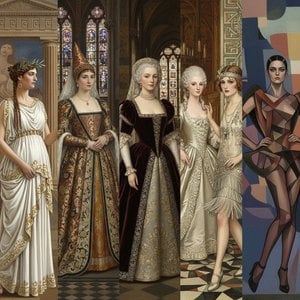
Explore the breathtaking intersection of fine art and high fashion. Discover how iconic masterpieces from Art Deco to Impressionism have shaped the world of luxury couture and timeless design in this curated visual journey.

Discover the exquisite world of fashion illustration art. From Art Deco elegance to bespoke oil reproductions, explore how timeless sartorial beauty transforms luxury interiors through masterfully crafted canvas works and curated historical masterpieces.

Explore the profound beauty of the Italian Renaissance. From Raphael's divine frescoes to Michelangelo's anatomical mastery, discover how this era of classical grandeur and humanistic ideals continues to inspire the world's most sophisticated art collectors and designers.

Discover the unparalleled elegance of Art Deco through the lens of Erté. Explore a masterclass in linear precision, theatrical costume design, and high-fashion illustration that continues to define modern luxury and sophisticated interior aesthetics.

Embark on a visual journey through the evolution of fashion photography. Discover how masters like Gianfranco Ferré blended geometry, surrealism, and texture to redefine high-fashion art for collectors and connoisseurs of luxury imagery.
 공유하기
공유하기 공유하기
공유하기
 상세 정보
상세 정보 가이드 보기

 다운로드
다운로드
 유사 작품 더 보기
 슬라이드 쇼 보기
 질의응답
질의응답
 통계 정보
통계 정보


 더 보기
더 보기






































 유리 옵션은 110cm 미만 크기에서만 선택 가능합니다.


