

이 페이지에 표시된 작품은 저작권법의 보호를 받으며, 이에 따라 동일한 복제품을 제작하거나 판매하는 것은 법으로 금지되어 있습니다. 이러한 권리 보호는 다음과 같은 국제 협약에 따라 시행됩니다. 베른 협약 또한 다음에서 명시하는 법률을 포함한 국내법에 의해 보호됩니다. 미국 저작권법 제17조.
이 방식은 저작권 보호를 받는 예술 작품을 복제하거나 그대로 재현하는 것이 아니기에 저작권 규정을 완벽히 준수합니다. 대신, 이는 창의적인 재해석의 과정을 거칩니다. 즉, 원작에서 영감을 받되 원작과 동일하지 않은 새로운 회화 작품을 의미합니다.
빠른 제작과 다양한 마감 옵션을 제공하는 박물관 수준의 지클레이 및 캔버스 프린트. ( 수작업 채색 복제본 주문하기 디지털 이미지로 전환)
작품의 원본 비율을 그대로 유지하는 프리셋 사이즈 중에서 선택해 보세요.

액자나 벽면 크기에 맞춰 필요한 가로와 세로 길이를 입력해 주세요. 프린트는 원본 이미지보다 크게 제작할 수 없으며 오직 자르는 것만 가능하므로, 비율이 다른 사이즈를 선택할 경우 이미지의 일부가 잘려 나갈 수 있습니다. 인쇄 작업에 들어가기 전, 최종 확인을 위해 디지털 목업을 보내드립니다. 이 페이지에 표시된 이미지는 실제 잘리는 영역을 나타내지 않으며, 오직 목업을 통해서만 정확한 확인이 가능합니다.
Dogia
복제본 크기
To gaze upon this exquisite depiction of Salvatore Ferragamo's 1949 "Dogia" is to step directly into the vibrant, sophisticated heart of post-war Italian design. This piece transcends mere footwear; it is a wearable sculpture, a testament to the intersection where meticulous craftsmanship meets ephemeral beauty. The shoe itself, rendered in lustrous black satin, immediately commands attention, its material sheen suggesting an almost liquid elegance. It speaks of an era when fashion was not merely dressing, but a profound statement of identity and aspiration. The composition, captured with the precision of high-end product photography, isolates this single object against a stark white void, forcing the viewer into an intimate dialogue with its form.
What elevates this piece beyond simple documentation is the breathtaking artistry woven across its surface. The floral embroidery—a riot of carefully placed pinks, creamy whites, sunny yellows, soft blues, and verdant greens—transforms the structured satin base into a delicate garden blooming upon the foot. This technique requires an almost unbelievable level of dexterity; each petal, every leaf, is individually stitched, creating a rich, tactile contrast against the smooth, dark background. The interplay between the cool sheen of the satin and the raised, textured quality of the embroidery floss is what gives the piece its visual depth. It suggests hours of patient labor, the focused devotion of an artisan whose skill was matched only by his vision.
Understanding the context of Salvatore Ferragamo enriches our appreciation immeasurably. Born into a tradition of skilled making, Ferragamo’s career was one of relentless innovation, forever pushing the boundaries of what shoes could be. This 1949 design is a perfect artifact of that genius—a marriage of structural integrity with decorative exuberance. The shoe embodies the glamour associated with Hollywood's golden age, yet it retains an underlying sense of artisanal honesty. For the collector or designer, this piece offers a tangible connection to a pivotal moment in fashion history, representing Italian mastery before the modern deluge of mass production.
Emotionally, the "Dogia" whispers tales of springtime renewal and confident femininity. The flowers are universal symbols of beauty and transience, while the shoe itself speaks to empowerment—the ability to move through the world with grace and undeniable style. Owning or reproducing such a piece is not just acquiring an object; it is curating a mood. It infuses any space, be it a gallery wall or a sophisticated dressing room vignette, with an aura of romantic nostalgia and timeless sophistication. It invites contemplation on the enduring power of beauty crafted by human hands.
살바토레 페라가모의 "Dogia"에는 Green to Violet Spectrum 빛깔이 감돕니다.
"Dogia"은(는) shoes, fashion, art deco, embroidery, femininity, luxury, salvatoreferragamo을(를) 묘사하고 있는 반면, 살바토레 페라가모의 기존 주제들은 hollywood glamour, italian design, luxury, craftsmanship, elegance, art deco, geometric patterns, celebrity style입니다. 이 두 가지를 비교해 보면 해당 작품이 작가의 통상적인 소재와 어떻게 연관되는지 알 수 있습니다.
살바토레 페라가모의 "Dogia"의 원작은 살바토레 페라가모 박물관, 피렌체, 이탈리아에 소장되어 있습니다. 복제화를 통해 이 작품을 집에서도 감상하실 수 있습니다.


1898 - 1960 , 이탈리아

Discover the unparalleled elegance of Art Deco through the lens of Erté. Explore a masterclass in linear precision, theatrical costume design, and high-fashion illustration that continues to define modern luxury and sophisticated interior aesthetics.

Discover the exquisite world of fashion illustration art. From Art Deco elegance to bespoke oil reproductions, explore how timeless sartorial beauty transforms luxury interiors through masterfully crafted canvas works and curated historical masterpieces.
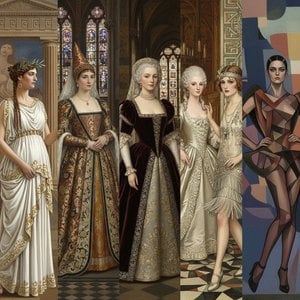
Explore the breathtaking intersection of fine art and high fashion. Discover how iconic masterpieces from Art Deco to Impressionism have shaped the world of luxury couture and timeless design in this curated visual journey.

Embark on a visual journey through the evolution of fashion photography. Discover how masters like Gianfranco Ferré blended geometry, surrealism, and texture to redefine high-fashion art for collectors and connoisseurs of luxury imagery.
 공유하기
공유하기 공유하기
공유하기
 상세 정보
상세 정보 가이드 보기

 다운로드
다운로드
 유사 작품 더 보기
 슬라이드 쇼 보기
 질의응답
질의응답
 통계 정보
통계 정보


 더 보기
더 보기






































 유리 옵션은 110cm 미만 크기에서만 선택 가능합니다.


