빠른 제작과 다양한 마감 옵션을 제공하는 박물관 품질의 지클레이 또는 캔버스 프린트. ( 손으로 그린 그림 구매 디지털 이미지로 전환)





























작품의 원본 비율을 유지하는 미리 설정된 크기 중에서 선택하세요.

특정 프레임이나 공간에 맞춰 직접 치수를 입력하실 수 있습니다. 선택하신 사이즈가 원본 이미지의 비율과 일치하지 않을 경우, 작품을 크롭(자르기)하거나 이미지를 대칭 또는 단색 채우기로 확장하여 제작합니다. 제작 시작 전, 최종 확인을 위해 디지털 목업이 전송됩니다.
화면상의 미리보기는 실제 크롭이나 확장 상태를 반영하지 않으므로, 최종 구도는 오직 목업을 통해서만 정확하게 확인하실 수 있습니다.
맞춤 사이즈 제작도 가능하지만, 원본 비율을 유지하기 위해서는 사전 정의된 목록에서 치수를 선택하시는 것을 권장합니다.

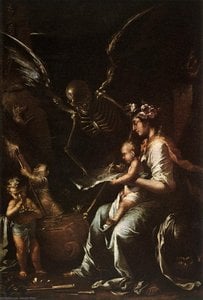
Monks Fishing
복제본 크기
Salvator Rosa’s “Monks Fishing” isn't merely a depiction of two figures casting lines into a river; it’s a profound meditation on humanity’s relationship with the untamed forces of nature, rendered through the lens of the Baroque painter’s distinctive vision. Painted circa 1646-1648, this oil on canvas captures a moment suspended in time – a quiet ritual performed within a landscape that simultaneously invites and threatens the viewer. The scene unfolds against a dramatic backdrop of towering rock formations, a brooding sky pregnant with clouds, and a dense, almost claustrophobic forest, all rendered with an intensity characteristic of Rosa’s mature style.
Rosa, a figure perpetually at odds with the established artistic conventions of his day, rejected the polished elegance favored by many of his contemporaries. Instead, he embraced a raw, emotive approach, prioritizing naturalism and psychological depth over idealized beauty. “Monks Fishing” exemplifies this philosophy; it’s not a picturesque scene designed for easy consumption but rather a complex tableau brimming with symbolic weight and emotional resonance. The figures themselves – two weathered monks, their faces etched with contemplation – are dwarfed by the immensity of the landscape, emphasizing their vulnerability and suggesting a profound connection to something far greater than themselves.
Rosa’s technical skill is immediately apparent in his masterful manipulation of light and shadow. The painting is dominated by a diffused, atmospheric light that seems to emanate from an unseen source, casting long, dramatic shadows across the rocks and foliage. This chiaroscuro effect – a hallmark of Baroque art – not only creates a sense of depth and volume but also imbues the scene with a palpable mood of melancholy and introspection. Notice how he uses subtle highlights to draw attention to the texture of the bark on the trees, the rough surface of the rocks, and the folds in the monks’ garments, inviting us to engage with the painting on a tactile level.
Beyond its immediate visual appeal, “Monks Fishing” is rich in symbolic meaning. The solitary monks, engaged in their humble task, can be interpreted as metaphors for humanity’s search for spiritual enlightenment within the context of a challenging and often unforgiving world. Their isolation underscores the difficulty of achieving inner peace amidst the chaos of existence. The river itself – a recurring motif in Rosa's work – represents both sustenance and danger, life and death. The towering trees, with their gnarled branches reaching towards the sky, symbolize resilience and endurance, while the rocky terrain suggests the obstacles that must be overcome on the path to spiritual growth.
Rosa’s choice of subject matter—monks fishing in a wild landscape—was deliberately provocative. It challenged the prevailing artistic conventions of his time, which typically favored grand historical scenes or mythological narratives. By depicting a simple, everyday activity within an extraordinary setting, Rosa elevated the mundane to the level of profound contemplation.
“Monks Fishing” stands as a testament to Salvator Rosa’s unique artistic vision and his enduring influence on subsequent generations of artists. It's a painting that rewards careful observation, inviting viewers to lose themselves in its atmospheric depth and contemplate the timeless themes of solitude, spirituality, and the relationship between humanity and nature. Reproductions of this powerful work capture much of the original’s emotional intensity, offering a window into the soul of one of Italy’s most enigmatic and compelling Baroque masters.


1615 - 1673 , 이탈리아

Master the art of drama with our ultimate guide to Baroque landscapes. Discover the power of chiaroscuro, explore legendary masters, and learn how to curate epic, dark-vibe masterpieces for your collection with expert insights from WahooArt.

Explore the breathtaking drama of Baroque landscapes. From Rubens's grand vistas to the mastery of chiaroscuro, discover how 17th-century artists transformed nature into a theatrical stage of emotion and light. A deep dive for true art enthusiasts.

낭만주의 시대, 예술혼을 불태운 10대 풍경화 걸작! 터너부터 프리드리히까지, 시대를 초월하는 아름다움을 와후아트에서 만나보세요. 고흐의 색채와 코로의 섬세함이 당신의 공간에 영감을 더합니다. 지금 바로 와후아트에서 명품 미술 작품을 감상하고 구매하세요!

Explore the rich history of landscape art with WahooArt. Discover renowned artists, movements like Impressionism & Romanticism, and expert guidance for collecting timeless pieces. Find your perfect serene escape today!

Explore the captivating world of Salvator Rosa, a rebellious Baroque master. Discover his dramatic landscapes, allegorical paintings & lasting influence on Romanticism. Hand-painted reproductions available at WahooArt.


 미리보기
미리보기
 공유하기
공유하기 공유하기
공유하기
 상세 정보
상세 정보 가이드 보기

 다운로드
다운로드
 유사 작품
유사 작품 X-레이
X-레이 슬라이드 쇼
 통계 정보
통계 정보


 더 보기
더 보기









 유리 옵션은 110cm 미만 크기에서만 선택 가능합니다.