빠른 제작과 다양한 마감 옵션을 제공하는 박물관 품질의 지클레이 또는 캔버스 프린트. ( 손으로 그린 그림 구매 디지털 이미지로 전환)





























작품의 원본 비율을 유지하는 미리 설정된 크기 중에서 선택하세요.

특정 프레임이나 공간에 맞춰 직접 치수를 입력하실 수 있습니다. 선택하신 사이즈가 원본 이미지의 비율과 일치하지 않을 경우, 작품을 크롭(자르기)하거나 이미지를 대칭 또는 단색 채우기로 확장하여 제작합니다. 제작 시작 전, 최종 확인을 위해 디지털 목업이 전송됩니다.
화면상의 미리보기는 실제 크롭이나 확장 상태를 반영하지 않으므로, 최종 구도는 오직 목업을 통해서만 정확하게 확인하실 수 있습니다.
맞춤 사이즈 제작도 가능하지만, 원본 비율을 유지하기 위해서는 사전 정의된 목록에서 치수를 선택하시는 것을 권장합니다.

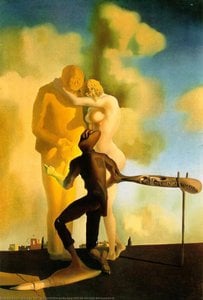
William Tell, 1930
복제본 크기
Salvador Dalí’s “William Tell,” painted in 1930, isn't merely a depiction of the Swiss folk hero; it’s an immersion into the artist’s intensely personal and profoundly unsettling subconscious. This work transcends simple narrative, becoming a swirling vortex of symbolism, fractured forms, and dreamlike logic—a quintessential example of Dalí’s mature surrealist style. The painting immediately confronts the viewer with a chaotic tableau: a man on horseback, not in triumphant victory, but radiating an almost palpable anguish; a bull-headed crossbow, a jarring juxtaposition that speaks to primal fears and anxieties; and figures scattered across the landscape like fragments of a shattered memory. It’s crucial to understand Dalí's own biography at this time – his complex relationship with Gala Éluard, his burgeoning artistic independence, and his increasingly critical stance towards established artistic conventions—to fully grasp the emotional weight embedded within this scene.
Dalí's mastery lies not just in the imagery but also in its execution. “William Tell” is a rich tapestry woven from various techniques, reflecting the artist’s eclectic approach. The painting incorporates elements of collage—fragments of reality seemingly pasted onto an imagined world—alongside traditional oil paint. The use of vibrant, almost hallucinatory colors – deep reds, blues, and yellows – contributes to the overall sense of disorientation. The composition is deliberately unbalanced, with a strong diagonal thrust created by the horse and figures, pulling the viewer’s eye through the chaotic scene. The meticulous detail in rendering each element—the texture of the horse's coat, the glint of the crossbow—contrasts sharply with the dreamlike atmosphere, further enhancing the painting’s unsettling effect.
Key Techniques:Beyond the immediate visual impact, “William Tell” is laden with symbolism. The bull-headed crossbow immediately evokes primal fears – the bull representing aggression and the crossbow, a tool of violence. The clock, subtly placed on the right side of the canvas, introduces an element of time and perhaps suggests the relentless passage of judgment or the inescapable nature of fate. The figures surrounding Tell—some standing close together, others distant—represent the complex web of relationships and power dynamics at play. Notably, the figure of a woman, often interpreted as Gala, is present, adding another layer of personal significance to the scene. It’s important to note that Dalí himself offered various interpretations, often deliberately ambiguous, encouraging viewers to project their own meanings onto the work.
“William Tell” stands as a pivotal work in Salvador Dalí’s oeuvre and a cornerstone of the surrealist movement. It exemplifies the genre’s fascination with the unconscious, its rejection of rational thought, and its exploration of hidden desires and anxieties. Dalí's ability to transform a familiar myth into a profoundly personal and unsettling vision cemented his place as one of the 20th century’s most influential artists. Reproductions of this captivating painting continue to resonate with audiences today, offering a glimpse into the extraordinary mind of a visionary artist—a testament to the power of dreams and the enduring allure of surrealism.


1904 - 1989 , 스페인

Embark on a visual journey through the subconscious. Explore the profound symbolism of Surrealist masterpieces, from Dalí's melting clocks to dreamlike landscapes, and learn how to curate these evocative visions into your private art collection with expert guidance.

Master the complexities of Salvador Dalí’s genius. Explore an expert analysis of the Paranoiac-Critical Method and the profound symbolism within his Surrealist masterpieces for the discerning art collector.


 미리보기
미리보기
 공유하기
공유하기 공유하기
공유하기
 상세 정보
상세 정보

 다운로드
다운로드
 유사 작품
유사 작품 X-레이
X-레이 슬라이드 쇼
 통계 정보
통계 정보

 더 보기
더 보기









 유리 옵션은 110cm 미만 크기에서만 선택 가능합니다.