Oil On CanvasWallArtSurrealism
 1921Modern
 52.0 x 45.0 cm
원하는 크기와 액자로 주문 제작되는, 작가들이 직접 캔버스에 손으로 그린 유화 작품입니다. ( Switch to Print Switch to Digital Image)





























작품의 원본 비율을 유지하는 미리 설정된 크기 중에서 선택하세요.

특정 프레임이나 공간에 맞도록 직접 크기를 입력할 수 있습니다. 선택하신 크기가 원본 이미지의 비율과 일치하지 않는 경우, 작품을 자르거나 추가적인 손으로 그린 요소를 사용하여 그림을 확장합니다. 제작 시작 전 승인을 위해 디지털 목업을 보내드립니다.
화면 미리 보기는 실제 자르기 또는 확장을 반영하지 않습니다. 최종 구성은 목업을 통해서만 정확하게 확인하실 수 있습니다.
맞춤 크기 제작도 가능하지만, 원본 비율을 유지하기 위해 사전 정의된 목록에서 크기를 선택하시는 것을 권장합니다.

Self Portrait
복제본 크기
Salvador Dalí's "Self Portrait," painted in 1921, isn’t merely a depiction of an artist; it’s a meticulously crafted portal into the labyrinthine depths of his psyche. This oil-on-canvas work, measuring a modest 52 x 45 centimeters, embodies the burgeoning surrealist movement while simultaneously retaining the vestiges of Dalí's earlier, more grounded artistic explorations. The painting immediately arrests the viewer with its hazy, almost dreamlike quality – a deliberate choice that reflects the artist’s fascination with memory, subconsciousness, and the fluidity of perception. It’s a work steeped in symbolism, inviting endless interpretation and revealing much about Dalí’s personal anxieties and ambitions during this pivotal period of his career.
The composition itself is deceptively simple yet profoundly layered. A young Salvador Dalí, rendered with an almost photographic precision that belies the painting's surreal nature, gazes out from a darkened interior. His beard, meticulously detailed, hints at a deliberate attempt to project an image of intellectual authority and artistic seriousness – a carefully constructed persona he cultivated throughout his life. The background is dominated by two women walking along a beach, their forms rendered with a delicate softness that contrasts sharply with the sharpness of Dalí’s own features. Scattered across the canvas are grapes, a recurring motif in Dalí's work often associated with decay, desire, and the fleeting nature of time – themes central to his surrealist explorations.
To truly appreciate “Self Portrait,” it’s essential to understand its roots within the broader context of Post-Impressionism. Emerging in the late 19th century, this movement represented a deliberate break from the representational ideals of Impressionism. Artists like Cézanne, Van Gogh, and Gauguin sought to express emotions and ideas through color, form, and brushstroke – prioritizing subjective experience over objective reality. Dalí’s work, while firmly rooted in surrealism, retains many characteristics of this earlier movement, particularly in its emphasis on formal experimentation and the use of vibrant colors. The painting's hazy atmosphere and distorted perspective are hallmarks of Post-Impressionist techniques, paving the way for the radical departures that would characterize Surrealism.
Dalí’s embrace of Post-Impressionism wasn’t merely a stylistic choice; it provided him with a framework for exploring the irrational and subconscious. As noted on WahooArt.com, this movement laid the groundwork for avant-garde movements like Surrealism by challenging traditional notions of representation and encouraging artists to delve into the realm of dreams and fantasies. The deliberate blurring of lines between reality and illusion in “Self Portrait” exemplifies this shift – a key characteristic of Dalí’s artistic vision.
Beyond its formal qualities, "Self Portrait" is rich with symbolic meaning. The ocean viewed through the window represents the subconscious mind—a vast, unexplored territory teeming with hidden desires and anxieties. The two women on the beach could symbolize idealized feminine figures, perhaps representing Dalí’s own longing for beauty and connection. However, their detached presence also suggests a sense of isolation and unattainable desire. The scattered grapes, as mentioned earlier, are potent symbols of decay and mortality—a reminder of the fleeting nature of time and the inevitability of loss.
Dalí himself frequently employed symbolism in his work, often drawing inspiration from mythology, religion, and Freudian psychology. “Self Portrait” is no exception, offering a glimpse into the artist’s complex inner world. The painting invites viewers to engage with these symbols on a personal level, uncovering their own interpretations and associations.
WahooArt offers exquisite, handmade oil paintings reproductions of Salvador Dalí’s “Self Portrait,” allowing art enthusiasts to experience the magic of this iconic work in their own homes. Each reproduction is meticulously crafted by skilled artists who painstakingly recreate Dalí’s unique style and technique, capturing the painting's hazy atmosphere, intricate details, and symbolic richness. Unlike mass-produced prints, our reproductions possess a depth and texture that faithfully replicate the original canvas – offering an authentic representation of Dalí’s artistic vision.
Whether you are a seasoned art collector or simply seeking to add a touch of surrealist elegance to your interior design, a WahooArt reproduction of “Self Portrait” is a captivating addition to any collection. Explore our selection today and bring the enigmatic world of Salvador Dalí into your space.

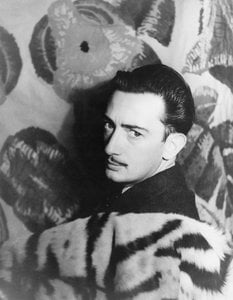
1904 - 1989 , 스페인

Master the nuances of Impressionism vs. Post-Impressionism with our expert guide. Explore the revolutionary shift from Monet’s fleeting light to Van Gogh’s emotional depth. Discover how these iconic movements continue to inspire fine art collectors and modern interiors today.

 미리보기
미리보기
 공유하기
공유하기 공유하기
공유하기
 상세 정보
상세 정보

 다운로드
다운로드
 유사 작품
유사 작품 X-레이
X-레이 슬라이드 쇼
 Stats
Stats 더 보기
더 보기









 유리 옵션은 110cm 미만 크기에서만 선택 가능합니다.