원하는 크기와 액자로 주문 제작되는, 작가들이 직접 캔버스에 손으로 그린 유화 작품입니다. ( 프린트 판매로 전환 디지털 이미지로 전환)





























작품의 원본 비율을 유지하는 미리 설정된 크기 중에서 선택하세요.

특정 프레임이나 공간에 맞도록 직접 크기를 입력할 수 있습니다. 선택하신 크기가 원본 이미지의 비율과 일치하지 않는 경우, 작품을 자르거나 추가적인 손으로 그린 요소를 사용하여 그림을 확장합니다. 제작 시작 전 승인을 위해 디지털 목업을 보내드립니다.
화면 미리 보기는 실제 자르기 또는 확장을 반영하지 않습니다. 최종 구성은 목업을 통해서만 정확하게 확인하실 수 있습니다.
맞춤 크기 제작도 가능하지만, 원본 비율을 유지하기 위해 사전 정의된 목록에서 크기를 선택하시는 것을 권장합니다.

LaTour
복제본 크기
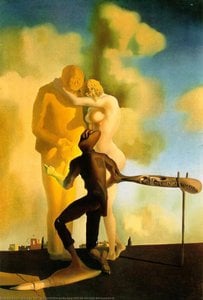
Salvador Dalí’s “LaTour,” painted in 1934, isn't merely a depiction of a landscape; it’s an immersion into the artist’s meticulously constructed dream world. Emerging from the swirling depths of a cobalt blue abyss – reminiscent of both turbulent water and ethereal clouds – rise two nude male figures, their postures simultaneously defiant and vulnerable. This initial encounter immediately establishes a profound tension: a struggle for stability amidst chaos, a yearning for connection within an isolating expanse. The composition itself is deliberately unsettling, utilizing sharp diagonals created by the figures’ limbs and the undulating forms of the background to draw the viewer into this disconcerting space. It's a scene that feels both intensely personal – a reflection of Dalí’s own anxieties and obsessions – and universally resonant, tapping into primal fears of isolation and the unknown.
Dalí’s signature style is fully realized within “LaTour.” The painting is executed with an almost obsessive attention to detail, a hallmark of his meticulous approach. Thick impasto – layers of paint built up dramatically across the canvas – creates a tactile surface that invites close inspection. Notice how the blue forms aren't smoothly blended; instead, they’re fractured and layered, suggesting movement and instability. The use of light is equally deliberate, diffusing rather than highlighting, contributing to the overall atmosphere of dreamlike ambiguity. The rectangular structure dominating the center isn’t simply a building; it functions as a portal, an invitation – or perhaps a warning – into another dimension. This architectural element, rendered with sharp precision, contrasts starkly with the fluidity and organic shapes that surround it, further amplifying the sense of disorientation.
To fully appreciate “LaTour,” one must consider its historical context within the Surrealist movement. Dalí’s work was deeply influenced by Sigmund Freud's theories on the unconscious mind, exploring themes of sexuality, anxiety, and repressed desires. The figures themselves are laden with symbolism. Their nudity represents vulnerability and exposure, while their gestures – one reaching out, the other seemingly frozen in contemplation – suggest a complex interplay of desire, struggle, and perhaps even regret. Interestingly, research reveals that this painting was inspired by a photograph taken during a visit to the French architect Arsène Lacarrière-Latour’s studio, whose work featured evocative watercolors of the Americas. This connection adds another layer of intrigue, hinting at a fascination with structure, perspective, and the representation of space – elements that Dalí masterfully incorporates into his own surreal vision. Furthermore, the recurring motif of towers in Dalí's oeuvre often symbolizes aspiration, ambition, or even imprisonment, adding to the painting’s multi-layered meaning.
Reproductions, however meticulously crafted, can never fully replicate the visceral impact of the original. “LaTour” is a painting that demands engagement; it invites viewers to lose themselves in its unsettling beauty and contemplate its profound themes. The emotional resonance of this piece lies not just in its striking imagery but also in Dalí’s masterful manipulation of space, light, and symbolism. When considering a high-quality reproduction, prioritize one that accurately captures the texture of the impasto, the depth of the blue hues, and the overall sense of disorientation – elements crucial to understanding the painting's power.

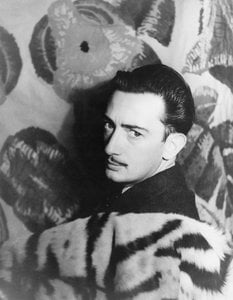
1904 - 1989 , 스페인
Explore the captivating world of Salvador Dalí! Discover his surrealist masterpieces, profound connection to Freud's theories, and lasting impact on art & culture. A deep dive into a visionary artist.

Immerse yourself in the captivating world of slate blue! Explore 10 iconic paintings by Monet, Van Gogh & Renoir. Discover their stories, techniques & find museum-quality art reproductions for your home at .

살바도르 달리 최고작 25선을 만나보세요. 초현실주의의 거장이 그린 꿈, 무의식, 시간의 흐름을 담은 명화들을 감상하고 작품 속 이야기를 탐구하세요. WahooArt에서 미술 컬렉션을 완성해보세요.

초현실주의 미술의 정수를 담은 10대 걸작을 만나보세요. 마그리트, 달리 등 거장의 작품 비하인드 스토리와 예술적 의미를 탐구하고, WahooArt에서 고품질 아트 프린트로 공간에 영감을 불어넣으세요! 지금 바로 WahooArt.com에서 컬렉션을 둘러보세요.

Transform your home with soulful blue art. From serene Monet impressions to modern textured sculptures, discover curated masterpieces designed to inspire calm. Explore expert art consultations and bespoke hand-painted reproductions to create your personal sanctuary.


 미리보기
미리보기
 공유하기
공유하기 공유하기
공유하기
 상세 정보
상세 정보

 다운로드
다운로드
 유사 작품
유사 작품 X-레이
X-레이 슬라이드 쇼
 통계 정보
통계 정보

 더 보기
더 보기









 유리 옵션은 110cm 미만 크기에서만 선택 가능합니다.