빠른 제작과 다양한 마감 옵션을 제공하는 박물관 품질의 지클레이 또는 캔버스 프린트. ( 손으로 그린 그림 구매 디지털 이미지로 전환)





























작품의 원본 비율을 유지하는 미리 설정된 크기 중에서 선택하세요.

특정 프레임이나 공간에 맞춰 직접 치수를 입력하실 수 있습니다. 선택하신 사이즈가 원본 이미지의 비율과 일치하지 않을 경우, 작품을 크롭(자르기)하거나 이미지를 대칭 또는 단색 채우기로 확장하여 제작합니다. 제작 시작 전, 최종 확인을 위해 디지털 목업이 전송됩니다.
화면상의 미리보기는 실제 크롭이나 확장 상태를 반영하지 않으므로, 최종 구도는 오직 목업을 통해서만 정확하게 확인하실 수 있습니다.
맞춤 사이즈 제작도 가능하지만, 원본 비율을 유지하기 위해서는 사전 정의된 목록에서 치수를 선택하시는 것을 권장합니다.

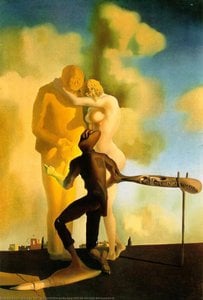
Hypnagogic Monument, 1936
복제본 크기
Salvador Dalí’s “Hypnagogic Monument,” painted in 1936, stands as a quintessential example of Surrealist art—a realm where logic dissolves into the subconscious and dreamlike imagery reigns supreme. More than just a visual spectacle, it's an invitation to contemplate the fragile boundary between wakefulness and sleep, reality and illusion.
The painting depicts a desolate landscape dominated by a turbulent sky filled with swirling clouds. These aren’t merely atmospheric elements; they pulsate with movement, mirroring the restless energy of the human mind during hypnagogia—that fleeting state between conscious awareness and unconscious slumber. The artist meticulously renders these clouds using a technique characterized by smooth blending and subtle gradations of color, reflecting Dalí's fascination with optical illusions and his mastery of oil paint.
At the heart of this unsettling tableau are two small spheres positioned on the ground. Their placement is deliberately ambiguous—they hover just above the horizon line, seemingly defying gravity. These spheres have been interpreted as representations of the human eye—a symbol of perception and introspection—and perhaps also as emblems of duality and contemplation. Dalí’s use of spherical forms aligns perfectly with Surrealist principles, which sought to explore universal symbols and archetypes.
Created during the tumultuous years leading up to World War II, “Hypnagogic Monument” reflects the anxieties and uncertainties of its time. Dalí’s artistic output was profoundly influenced by Freud's theories on psychoanalysis and the burgeoning interest in exploring the unconscious mind. Surrealism emerged as a reaction against rational thought and bourgeois values, aiming instead for liberation through imagination and dreamlike association.
Dalí’s meticulous brushwork contributes significantly to the painting's emotional impact. The artist employs a glazing technique—applying thin layers of translucent paint over previous coats—to achieve remarkable luminosity and depth. This method allows for subtle tonal variations that heighten the sense of atmosphere and create an ethereal quality, mirroring the hazy luminescence often experienced during hypnagogia. Viewing “Hypnagogic Monument” evokes feelings of disorientation, wonder, and a poignant awareness of the hidden landscapes within our own minds.

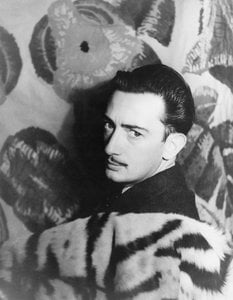
1904 - 1989 , 스페인

Embark on a visual journey through the subconscious. Explore the profound symbolism of Surrealist masterpieces, from Dalí's melting clocks to dreamlike landscapes, and learn how to curate these evocative visions into your private art collection with expert guidance.


 미리보기
미리보기
 공유하기
공유하기 공유하기
공유하기
 상세 정보
상세 정보

 다운로드
다운로드
 유사 작품
유사 작품 X-레이
X-레이 슬라이드 쇼
 통계 정보
통계 정보
 더 보기
더 보기









 유리 옵션은 110cm 미만 크기에서만 선택 가능합니다.