빠른 제작과 다양한 마감 옵션을 제공하는 박물관 품질의 지클레이 또는 캔버스 프린트. ( 손으로 그린 그림 구매 디지털 이미지로 전환)





























작품의 원본 비율을 유지하는 미리 설정된 크기 중에서 선택하세요.

특정 프레임이나 공간에 맞춰 직접 치수를 입력하실 수 있습니다. 선택하신 사이즈가 원본 이미지의 비율과 일치하지 않을 경우, 작품을 크롭(자르기)하거나 이미지를 대칭 또는 단색 채우기로 확장하여 제작합니다. 제작 시작 전, 최종 확인을 위해 디지털 목업이 전송됩니다.
화면상의 미리보기는 실제 크롭이나 확장 상태를 반영하지 않으므로, 최종 구도는 오직 목업을 통해서만 정확하게 확인하실 수 있습니다.
맞춤 사이즈 제작도 가능하지만, 원본 비율을 유지하기 위해서는 사전 정의된 목록에서 치수를 선택하시는 것을 권장합니다.

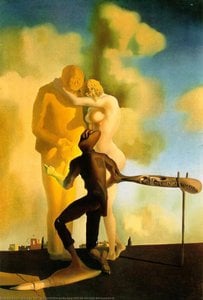
DalH Nude, 1954
복제본 크기
Salvador Dalí’s “DalH Nude,” painted in 1954, stands as a quintessential emblem of Surrealism—a movement that sought to liberate the subconscious mind from rational constraints and explore the realm of dreams and fantasies. More than just an image of nudity; it's a meticulously crafted tableau designed to unsettle and intrigue, reflecting Dalí’s profound engagement with Sigmund Freud’s psychoanalytic theories.
The painting depicts a solitary male figure positioned centrally against a backdrop dominated by amorphous spheres—a recurring motif in Dalí’s oeuvre. These balls aren't merely decorative elements; they represent the fragmentation of consciousness, mirroring the anxieties and contradictions inherent within the human psyche. Their varying sizes and hues – predominantly yellows and oranges – contribute to an atmosphere of disorientation and heighten the surreal quality of the scene.
Dalí’s masterful technique is immediately apparent. Executed in oil on canvas, he employed a meticulous blending process—a hallmark of his style—to achieve astonishing realism within the fantastical context. The artist painstakingly rendered textures and contours, grounding the dreamlike imagery in tangible detail. This juxtaposition of precision and absurdity underscores Dalí's ambition to transcend traditional artistic conventions.
"DalH Nude," created during Dalí’s peak creative period, embodies the spirit of Surrealism—a reaction against the perceived limitations of logic and reason following World War I. Inspired by Freud’s groundbreaking work on psychoanalysis, Dalí aimed to depict inner psychological states rather than external reality. The painting reflects a fascination with Freudian concepts of repression and symbolism, where unconscious desires manifest in bizarre visual metaphors.
Furthermore, the imagery draws parallels with biblical narratives—specifically Genesis—where Adam and Eve are depicted naked after expulsion from Paradise. This allusion adds another layer of complexity to the artwork’s interpretation, suggesting themes of innocence lost, primal urges, and the confrontation between consciousness and instinct.
“DalH Nude,” like much of Dalí's work, evokes a palpable sense of unease and contemplation. The unsettling juxtaposition of form and color compels viewers to confront their own subconscious anxieties. It’s a painting that lingers in the mind long after viewing, prompting reflection on themes of vulnerability, desire, and the elusive nature of truth.
Dalí's contribution to Surrealism cemented his place as one of the most influential artists of the 20th century. “DalH Nude,” along with countless other masterpieces, continues to inspire artists and captivate audiences worldwide—a testament to Dalí’s unwavering dedication to exploring the depths of human experience through visionary art.

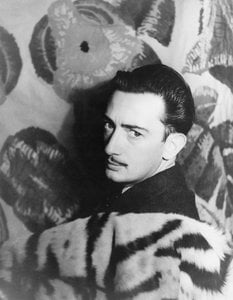
1904 - 1989 , 스페인

Embark on a journey through the subconscious with our expert guide to Surrealism. Discover the profound symbolism of masters like Dalí and Ernst, exploring how dreamlike imagery reshaped art history and continues to inspire collectors and enthusiasts worldwide.


 미리보기
미리보기
 공유하기
공유하기 공유하기
공유하기
 상세 정보
상세 정보

 다운로드
다운로드
 유사 작품
유사 작품 X-레이
X-레이 슬라이드 쇼
 통계 정보
통계 정보
 더 보기
더 보기









 유리 옵션은 110cm 미만 크기에서만 선택 가능합니다.