빠른 제작과 다양한 마감 옵션을 선택할 수 있는 박물관 수준의 지클레이 및 캔버스 프린트. ( 수작업 채색 복제본 주문하기 디지털 이미지 판매 채널로 전환)





























작품의 원본 비율을 그대로 유지하는 프리셋 사이즈 중에서 선택해 보세요.

특정 프레임이나 공간에 맞춰 직접 치수를 입력하실 수 있습니다. 선택하신 사이즈가 원본 이미지의 비율과 일치하지 않을 경우, 작품을 크롭(자르기)하거나 이미지를 대칭 또는 단색 채우기로 확장하여 제작합니다. 제작 시작 전, 최종 확인을 위해 디지털 목업이 전송됩니다.
화면상의 미리보기는 실제 크롭이나 확장 상태를 반영하지 않으므로, 최종 구도는 오직 목업을 통해서만 정확하게 확인하실 수 있습니다.
맞춤 사이즈 제작도 가능하지만, 원본 비율을 유지하기 위해서는 사전 정의된 목록에서 치수를 선택하시는 것을 권장합니다.

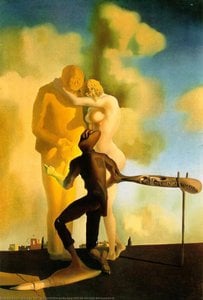
Celestial Ride, 1957
복제본 규격
Salvador Dalí’s “Celestial Ride,” painted in 1957, isn't merely a landscape; it’s an immersive journey into the artist’s meticulously constructed dreamscape. This arresting work, rendered in oil on canvas, embodies the core tenets of Surrealism – a deliberate exploration of the subconscious mind, unbound by logic or reason. The scene unfolds with a captivating paradox: a colossal, vaguely bovine creature, reminiscent of both an ox and a bull, dominates the composition, its impossibly elongated legs reaching towards a swirling, ethereal sky. Suspended within this bizarre beast is a cubic structure, adorned with diminutive human figures – a visual representation of Dalí’s fascination with atomic theory and the scale of existence. Below, a crumbling classical building lies partially submerged in the earth, hinting at the collapse of established order and the unsettling juxtaposition of past and future.
The painting's color palette is deliberately muted, dominated by earthy tones – ochres, browns, and deep blues – that contrast sharply with the vibrant turquoise and yellow hues of the sky. This creates a sense of otherworldly depth and reinforces the dreamlike quality of the scene. Dalí’s signature meticulous technique is evident in every detail: the precise rendering of textures, the subtle gradations of light and shadow, and the almost photographic realism applied to such fantastical subjects. He employed a layering technique, building up color gradually to achieve the luminous effect characteristic of his mature work.
“Celestial Ride” is rich in symbolic meaning, deeply rooted in Dalí’s personal mythology and anxieties. The central creature, often interpreted as a self-portrait, embodies both strength and vulnerability – a representation of the artist himself grappling with his own identity and mortality. The dead brother, Salvador, looms large within this image, not explicitly depicted but subtly integrated into the structure within the beast's body, symbolizing the enduring presence of loss and the constant negotiation between memory and reality. The diminutive figures scattered below represent humanity in miniature, dwarfed by the immensity of the cosmos and the overwhelming power of nature.
The crumbling classical building is a potent symbol of decaying empires and the inevitable passage of time. It echoes the ruins found in Renaissance paintings, suggesting a critique of traditional values and a yearning for something new. Dalí frequently used architectural elements to represent the subconscious, and this structure here serves as a portal into the depths of his own psyche.
“Celestial Ride” is inextricably linked to Salvador Dalí's deep engagement with Sigmund Freud’s theories on psychoanalysis. Like many Surrealists, Dalí sought to unlock the hidden meanings within dreams and the unconscious mind. This painting exemplifies this approach, presenting a world where logic is suspended and symbolic imagery reigns supreme. The juxtaposition of familiar forms – the bull, the building, the human figures – with utterly bizarre elements creates a sense of disorientation and invites viewers to interpret the scene through their own subjective experiences.
Dalí’s interest in science, particularly atomic theory, also played a significant role in his artistic vision. The cubic structure within the creature can be seen as a representation of the atom, suggesting a connection between the inner workings of the mind and the fundamental building blocks of reality. This reflects Dalí's fascination with the modern world and its technological advancements.
“Celestial Ride” remains one of Salvador Dalí’s most compelling works, a testament to his extraordinary talent and his unwavering commitment to exploring the depths of the human psyche. Its dreamlike imagery, rich symbolism, and meticulous technique continue to captivate viewers today. More than just a beautiful painting, it's an invitation to contemplate our own subconscious desires, fears, and aspirations – a journey into the boundless realms of imagination.

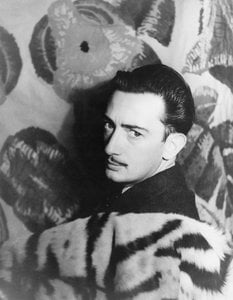
1904 - 1989 , 스페인

Embark on a visual journey through the subconscious. Explore the profound symbolism of Surrealist masterpieces, from Dalí's melting clocks to dreamlike landscapes, and learn how to curate these evocative visions into your private art collection with expert guidance.

Master the complexities of Salvador Dalí’s genius. Explore an expert analysis of the Paranoiac-Critical Method and the profound symbolism within his Surrealist masterpieces for the discerning art collector.

Embark on a journey through the subconscious with our expert guide to Surrealism. Discover the profound symbolism of masters like Dalí and Ernst, exploring how dreamlike imagery reshaped art history and continues to inspire collectors and enthusiasts worldwide.

 실제 크기로 보기
 보내기
보내기 공유하기
공유하기
 상세 보기
상세 보기 가이드 보기

 이미지 다운로드
 유사 작품 더 보기
 X-레이
X-레이 슬라이드 쇼 보기
 통계 정보
통계 정보

 상세 보기
상세 보기









 유리 옵션은 110cm 미만 크기에서만 선택 가능합니다.