x


 캔버스에 유채월아트Surrealism
 1934근대
 16.0 x 22.0 cm




























작품의 원본 비율을 유지하는 미리 설정된 크기 중에서 선택하세요.

특정 프레임이나 공간에 맞도록 직접 크기를 입력할 수 있습니다. 선택하신 크기가 원본 이미지의 비율과 일치하지 않는 경우, 작품을 자르거나 추가적인 손으로 그린 요소를 사용하여 그림을 확장합니다. 제작 시작 전 승인을 위해 디지털 목업을 보내드립니다.
화면 미리 보기는 실제 자르기 또는 확장을 반영하지 않습니다. 최종 구성은 목업을 통해서만 정확하게 확인하실 수 있습니다.
맞춤 크기 제작도 가능하지만, 원본 비율을 유지하기 위해 사전 정의된 목록에서 크기를 선택하시는 것을 권장합니다.

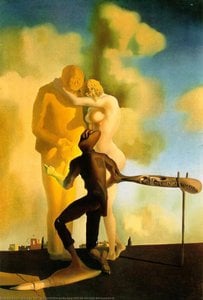
Cardinal, Cardinal
복제본 크기
Salvador Dalí's "Cardinal, Cardinal," painted in 1934, presents a surreal and enigmatic scene set within a desolate desert landscape. The composition centers around a seated figure, seemingly a man, positioned on a stone bench. This central figure is surrounded by other individuals, some standing and others kneeling, creating an atmosphere of solemnity or reverence. Adding to the dreamlike quality are two birds – one perched near the upper left corner and another closer to the center-right—and a clock affixed to a wall, introducing a temporal element into the scene. Dalí’s masterful juxtaposition of these disparate elements is characteristic of his Surrealist style, fostering an otherworldly ambiance that invites contemplation.
"Cardinal, Cardinal" exemplifies the core tenets of Surrealism, a movement dedicated to exploring the realm of dreams, the subconscious mind, and irrationality. Dalí’s technique is marked by meticulous detail and precise rendering, despite the fantastical subject matter. He employed oil on canvas (measuring 16 x 22 cm) with remarkable skill, creating textures and forms that are both realistic and unsettling. The painting's clarity contrasts sharply with its bizarre imagery, a hallmark of Dalí’s artistic approach. His use of light and shadow further enhances the dramatic effect, drawing the viewer into the scene's mysterious depths.
The artwork is rich in symbolic meaning, prompting diverse interpretations. The desert setting often represents isolation, spiritual searching, or a barren emotional landscape. The figures surrounding the central man could symbolize various aspects of human nature—faith, doubt, authority, or submission. The birds might represent freedom, the subconscious mind, or fleeting thoughts. Notably, the clock, a recurring motif in Dalí’s oeuvre, signifies the fluidity and relativity of time, challenging conventional notions of its linear progression. The title itself, "Cardinal, Cardinal," adds another layer of complexity, potentially referencing religious authority or symbolic duality.
"Cardinal, Cardinal" was created during a pivotal period in Dalí’s career—the 1930s—a time when he fully embraced the principles of Surrealism. This era witnessed the creation of many iconic works that showcased his exploration of psychoanalysis and dream imagery. The painting reflects the broader cultural context of the interwar years, marked by anxieties about societal upheaval and a fascination with the irrational. Dalí’s work during this period was heavily influenced by Sigmund Freud's theories on dreams and the unconscious, which he sought to visually represent in his art.
“Cardinal, Cardinal” evokes a range of emotions—from unease and mystery to contemplation and wonder. The painting’s unsettling imagery challenges viewers to confront their own subconscious thoughts and beliefs. Dalí's ability to blend the familiar with the bizarre creates a powerful emotional resonance that continues to captivate audiences decades after its creation. It is an artwork that invites repeated viewing, revealing new layers of meaning and provoking ongoing dialogue about the nature of reality, faith, and the human condition.

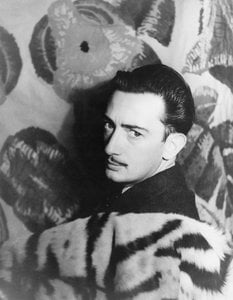
1904 - 1989 , 스페인

Embark on a visual journey through the subconscious. Explore the profound symbolism of Surrealist masterpieces, from Dalí's melting clocks to dreamlike landscapes, and learn how to curate these evocative visions into your private art collection with expert guidance.

Embark on a visual journey through the subconscious. Explore our expert guide to Surrealist landscapes, uncovering the dreamlike techniques of masters like Dalí to deepen your appreciation for this captivating art movement.


최신 미술 뉴스, 특별 혜택 및 인테리어 아이디어를 가장 먼저 만나보세요.
프로젝트에 대해 알려주시면 저희 미술 전문가들이 맞춤형 아트 제안 3가지를 전달해 드립니다.
당신만을 위한 맞춤형 옵션 3가지를 무료로 추천해 드립니다!


 미리보기
미리보기
 프린트 구매
 공유하기
공유하기 공유하기
공유하기
 상세 정보
상세 정보

 다운로드
다운로드
 유사 작품
유사 작품 X-레이
X-레이 슬라이드 쇼
 더 보기
더 보기









 유리 옵션은 110cm 미만 크기에서만 선택 가능합니다.